The Psychology of the Pixelated Pet
There is something fundamentally different about seeing a line graph of rising global temperatures versus seeing a small, round creature with sad eyes because its 'habitat' is too warm. We are biologically wired to ignore spreadsheets and obsess over faces. Weathergotchi takes the crushing weight of the Anthropocene and shrinks it down to the size of a keychain, asking a very strange question: Can we gamify our way out of existential despair?
I find myself fascinated by the shift from doomscrolling to what people are calling 'gamified stewardship.' For a decade, our primary interaction with climate change has been refreshing a feed of wildfires and melting ice caps until we feel numb. But this little open-source device suggests that the problem isn't that we don't care; it's that the scale of the problem is so vast it triggers a biological shutdown. By personifying climate data, we're essentially tricking our primate brains into staying engaged with a topic that usually sends us running for the nearest distraction.
It reminds me of the original Tamagotchi craze of 1996, where millions of people felt genuine grief when a cluster of pixels 'died.' If we can feel that for a virtual dinosaur, what happens when that dinosaur's health is tied to the actual CO2 levels in our atmosphere? It’s a bridge between the digital ghost and the physical reality we’re all breathing in.
Why Small Hardware Feels Big
There is a specific charm to low-fi hardware in an era of 8K resolution and hyper-realistic VR. The Weathergotchi doesn't have a touch screen. It doesn't have notifications from your boss. It’s a dedicated object, an altar to a specific idea. This 'Post-Doom' aesthetic relies on the tactile—the clicking of a physical button to check the 'health' of a local ecosystem.
I wonder if the friction of physical hardware is exactly what we need. When everything is an app on a smartphone, everything feels equally disposable. But a standalone device that sits on your shelf creates a persistent presence. It's a reminder that doesn't disappear when you swipe up. It’s also open-source, meaning the community is building the logic behind the pet, deciding together what 'health' looks like in a world that is objectively changing.
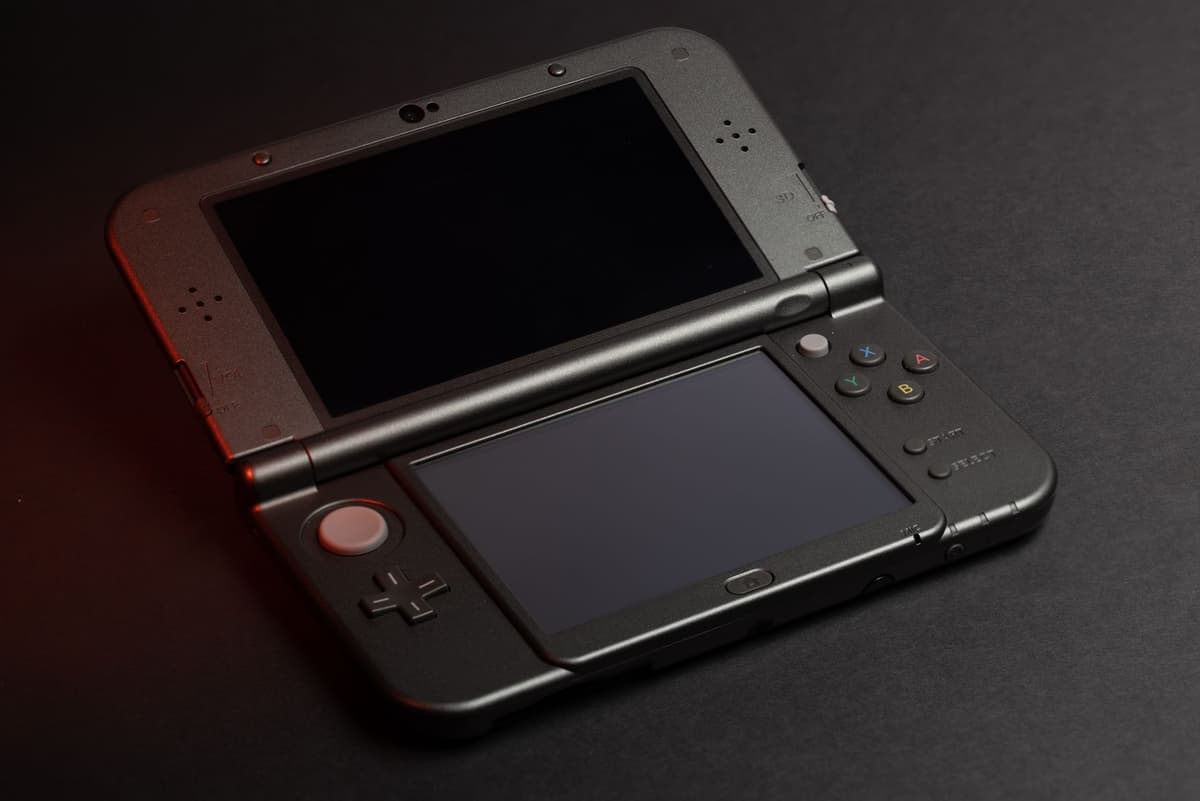
Photo by Mike Esparza on Pexels
This isn't about solving the $4 trillion energy transition with a toy. It’s about the culture of maintenance. We’ve spent so much time in a culture of 'disruption' and 'consumption' that we’ve forgotten how to be 'maintainers.' The Weathergotchi is a training tool for a generation that wants to fix things rather than just watch them burn.
The Power of Collective Care
What happens when these devices start talking to each other? The most curious aspect of this movement is the 'collective care' model. Unlike the original Tamagotchis, which were solitary burdens, these new iterations often pull from shared data sets. If the air quality in a specific city drops, every Weathergotchi in that zip code starts coughing.
- It turns a private internal feeling (anxiety) into a visible, shared reality.
- It creates a 'neighborhood watch' for the environment without the hostility.
- It encourages people to ask why the pet is sick, leading them directly to the source data.
I keep thinking about the phrase 'post-doom.' It’s not optimism—that’s too soft. It’s more like a weary, determined pragmatism. It’s the realization that the world is changing, and we might as well find a way to live in it that doesn't involve constant panic attacks. If a pixelated blob helps someone understand the difference between 400 and 420 parts per million of carbon, is that a toy or is it a vital educational tool?
What This Actually Means
We are witnessing the birth of a new kind of interface for reality. For years, the 'Internet of Things' was sold to us as a way to make our fridges order milk or our lights turn blue. It was boring. It was consumerist. But this new wave of 'stewardship hardware' uses the same connectivity to link our emotions to the planet's vitals. It’s a move away from the screen-as-a-window and toward the screen-as-a-mirror.
I don't know if a 'climate pet' can actually change policy or stop a pipeline. Probably not. But it might change the person holding it. It might move them from a state of 'I can't look' to 'I'm looking, and I'm not afraid to keep looking.' That shift is the prerequisite for any actual movement. We have to be able to stare at the problem without blinking before we can start swinging the hammer.
Ultimately, the Weathergotchi represents a pivot in how we use technology to process grief. Instead of using our devices to escape the world, we’re starting to use them to tether ourselves back to it. It’s a small, beeping tether, but it’s a tether nonetheless. And in a world that feels like it's drifting away, any connection is a good start.
Quick Answers
Is this just a toy for people who are too stressed?
It’s a tool for emotional regulation that uses nostalgia to make complex climate data approachable rather than overwhelming.
Does it actually help the environment?
Indirectly, by fostering a culture of 'maintenance' and 'stewardship' rather than the usual cycle of doom and apathy.
Can I build one myself?
Yes, it’s open-source, meaning the blueprints and code are available for anyone with a soldering iron and a sense of curiosity.
Is 'Post-Doom' just another way of saying 'giving up'?
Quite the opposite; it’s about accepting the reality of the situation so you can finally get to work on the solutions.**