We have finally done it. We have managed to turn the world’s most majestic tropical rainforests into a collection of extremely stressed, sweaty office workers who are about to throw their keyboards at the wall and walk out.
According to a terrifyingly funny study published in Nature, a small but significant percentage of tropical canopy leaves are reaching a critical thermal threshold of 46.7 degrees Celsius—that is 116 degrees in freedom units. At this exact temperature, the metabolic machinery inside a leaf does not just slow down. It melts. The proteins denature, the machinery breaks, and the leaf basically goes on strike. It is the botanical equivalent of your laptop getting so hot it displays the spinning wheel of death, except the laptop is currently holding 25 percent of the world's terrestrial carbon.
The Great Leaf Meltdown of 2023
To understand how ridiculous this is, you have to understand how a leaf works. Leaves are not just passive green solar panels. They are tiny, self-cooling evaporative air conditioners. They sweat. Through tiny pores called stomata, they release water vapor to keep themselves cool while they do the hard work of turning sunlight into sugar.
But when the air gets too hot and dry, the tree faces a classic toxic work environment dilemma. If it keeps its pores open to sweat, it will dehydrate and die of thirst. If it closes its pores to save water, the internal temperature of the leaf spikes like a cheap sedan with a busted radiator.
- The leaf closes its stomata to save water.
- The trapped heat inside the leaf rises far above the ambient air temperature.
- The cellular machinery responsible for photosynthesis literally falls apart.
- The tree becomes a giant, wooden monument to unproductive anxiety.
Imagine sitting in a sauna, wearing a heavy winter coat, and being told that if you don't write a 10,000-word report on quarterly earnings right now, the building will explode. That is the current daily vibe for a mahogany tree in Brazil. It is not a great business model for the biosphere.
Carbon Sinks Are Becoming Carbon Chimneys
Right now, only about 0.01 percent of all canopy leaves have crossed this "photosynthetic breaking point." That sounds like a small number. It sounds like the percentage of your salary you spend on artisanal hot sauce.
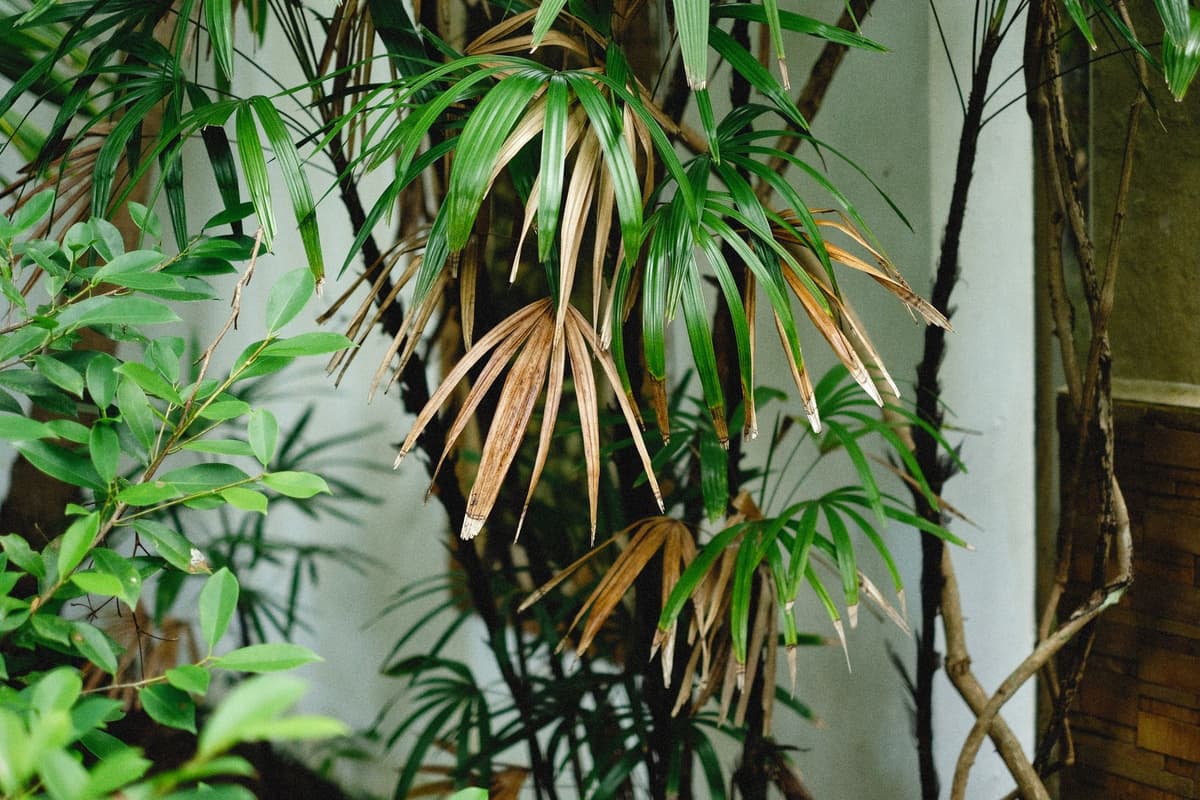
Photo by Alexey Demidov on Pexels
But thermodynamics is a cruel mistress. Temperature increases are not linear, and neither is leaf death. If global temperatures rise by another 3.9 degrees Celsius—which is currently on our "if we keep doing what we are doing" bingo card for this century—nearly half of all canopy leaves could pass the melting point.
When that happens, the system does not gently degrade. It flips. The world’s premier carbon sinks, which currently absorb billions of tons of our bad decisions every year, will stop absorbing carbon. Instead, they will start rotting. And when trees rot, they release methane and carbon dioxide. We are talking about turning the lungs of the Earth into a giant, planetary-scale compost bin that burps greenhouse gases back into the atmosphere.
How to Gaslight a Ficus
What makes this whole situation deeply comedic in a dark, existential way is our collective response. For decades, the corporate plan for saving the planet has been "we will just plant more trees." It is the ultimate corporate hand-wave.
But planting trees to solve climate change when the climate is becoming too hot for trees to exist is peak human logic. It is like trying to put out a house fire by throwing dry firewood into the living room because "wood contains water." We are essentially gaslighting the vegetation. We are telling a sapling, "Hey kid, go out there, bake in 116-degree heat, don't drink any water, and if you fail to clean up after our aviation industry, we are going to blame you for the apocalypse."
If I were a tree in the Congo Basin right now, I would be looking at human civilization the same way a seasoned waiter looks at a table of twelve teenagers who just ordered one basket of fries and twelve cups of free tap water. I would be plotting my exit strategy.
What This Actually Means
We cannot rely on nature to clean up our room anymore. The assumption that the biosphere will always act as a giant sponge for our industrial emissions is officially dead. The sponge is dry, it is hot, and it is starting to smell like burnt toast.
If we cross the threshold where entire tropical forests experience metabolic collapse, we lose our biggest buffer against runaway warming. It means the math on climate change gets much harder, much faster. We cannot just offset our way out of this with carbon credits bought from some sketchy forestry project that is currently undergoing a mid-life crisis in the heat.
Ultimately, the trees are telling us they have reached their limit. They are not asking for a pizza party or a casual Friday. They are asking us to stop turning the thermostat up to "broil." It might be time we finally listen, if only because a world where the trees are actively actively rooting against us sounds like a very uncomfortable place to live.
Quick Answers
Are the trees actually melting?
Not like a candle, but their internal molecular structures are. The proteins that allow them to turn sunlight into food literally break down and lose their shape at 116 degrees Fahrenheit.
Can we just water the rainforests?
Unless you have a garden hose the size of the Atlantic Ocean and a very long extension cord, no. The scale of these ecosystems makes artificial irrigation impossible.
Will this happen tomorrow?
No. Right now, only a tiny fraction of leaves are hitting this limit, but the study shows we are on track for a massive systemic collapse by the end of the century if emissions continue to rise unchecked.