The Skyscraper on a Juice Fast
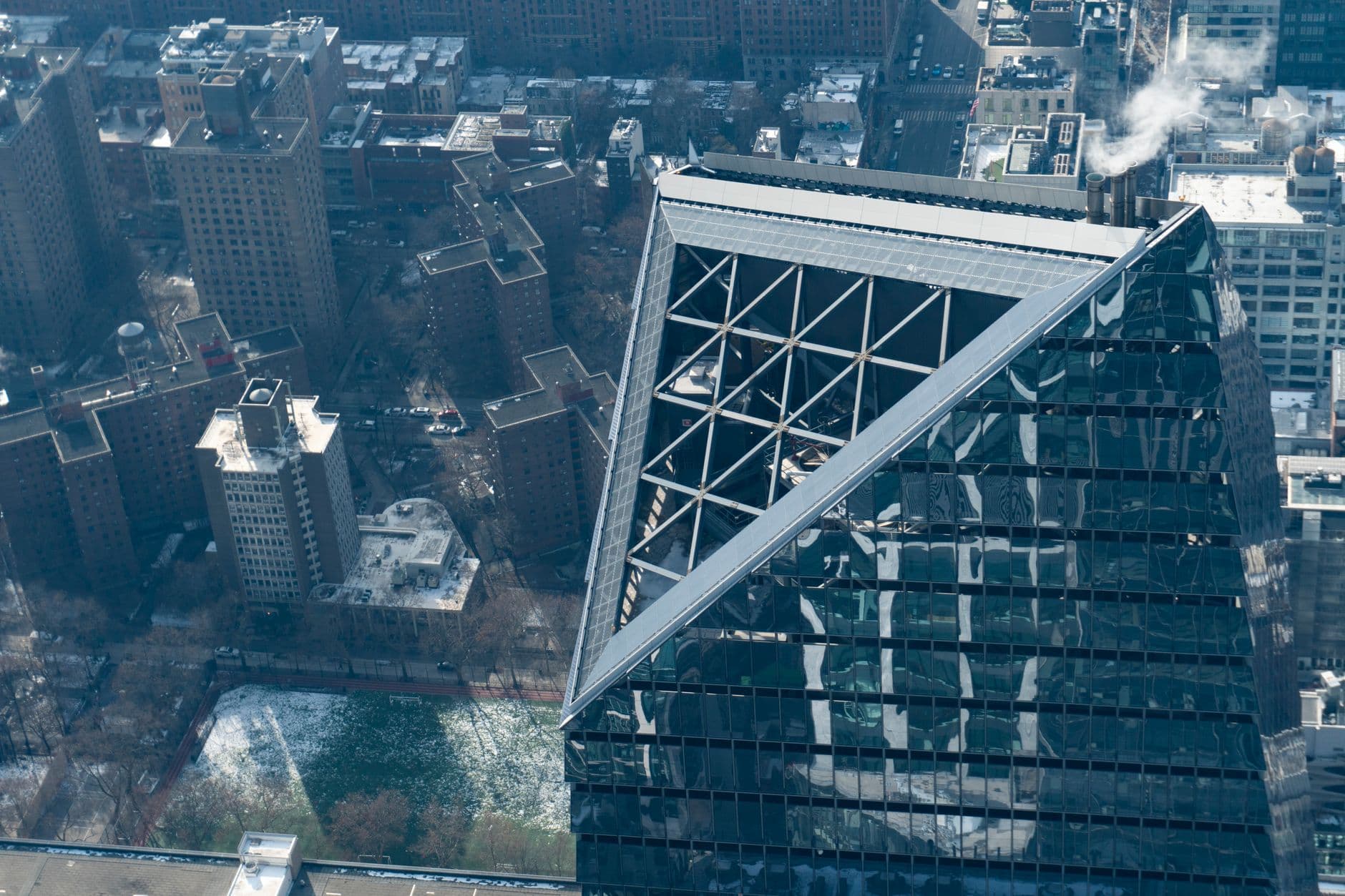
We have reached the point in late-stage capitalism where even our buildings have body dysmorphia. The newest crop of 'super-slender' towers, like 111 West 57th Street, boasts a height-to-width ratio of 24:1. To put that in perspective, if a standard Lego brick had that ratio, it would be tall enough to poke you in the eye while you were standing at the kitchen counter. These buildings aren't just thin; they are structural toothpicks designed to house people who have so much money they’ve forgotten what a horizontal hallway looks like.
Building these things is a masterclass in 'because I can' engineering. In the old days, we built wide bases because physics is a cruel mistress who hates top-heavy objects. Now, we just ignore the mistress and build the architectural equivalent of a professional ballet dancer standing on one toe during a hurricane. It’s impressive, sure, but it also feels like we’re one particularly sneeze-heavy flu season away from the entire West Side of Manhattan becoming a very expensive game of Domino Rally.
The $500,000 Liquid Belly Button
How do you stop a 1,400-foot-tall stick of celery from snapping in the wind? You put a giant bucket of water or a massive steel ball at the top and hope for the best. This is called a 'tuned mass damper,' which is a fancy engineering term for 'the building’s inner ear.' When the wind pushes the tower to the left, this massive weight slides to the right. It’s essentially a 800-ton pendulum that keeps the billionaire residents from vomiting into their $4,000 espresso machines every time a stiff breeze comes off the Hudson.
Imagine paying $60 million for a penthouse only to realize your living room is technically a very slow, very high-altitude Tilt-A-Whirl. There are reports of residents in these skinny towers hearing 'creaking' sounds during storms. If I’m paying that much for an apartment, the only thing I want to hear is the silent judgment of my butler, not the sound of 90 floors of steel and glass groaning like a haunted Victorian rocking chair. It’s not a home; it’s a vertical nautical vessel that just happens to be stuck in the dirt.
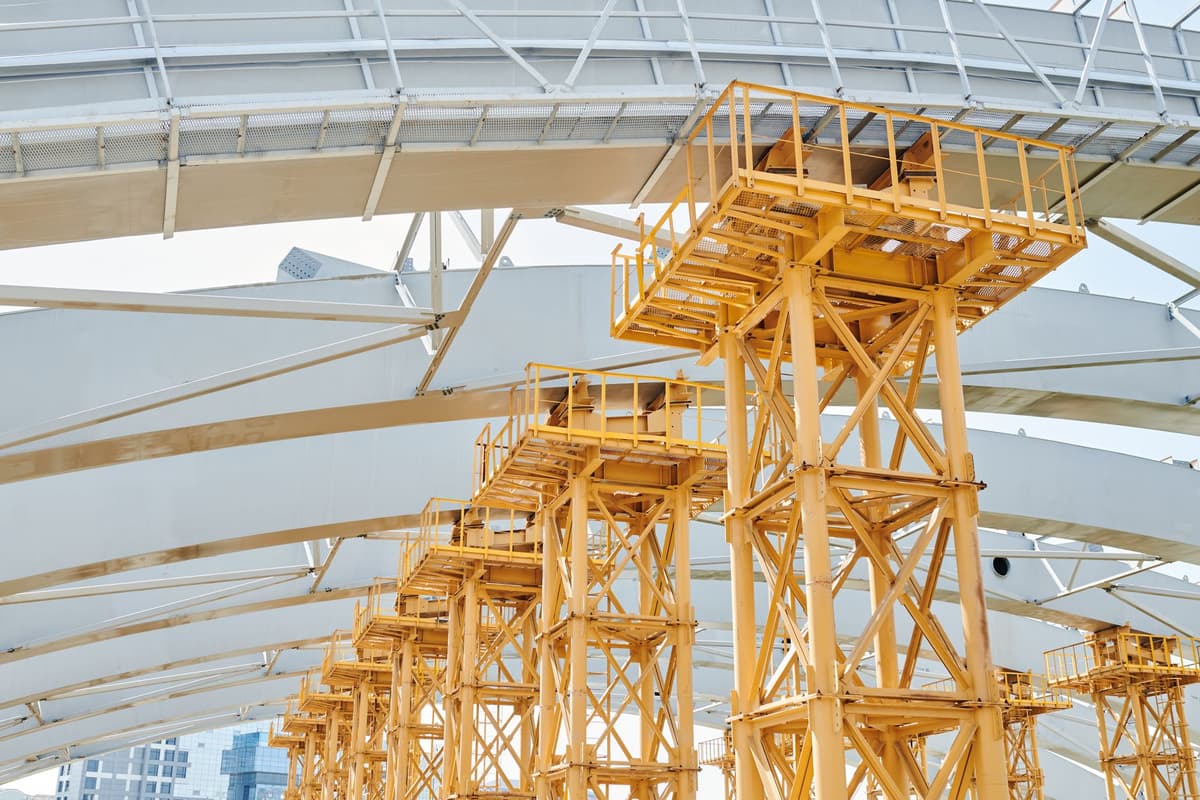
Photo by Mikael Blomkvist on Pexels
Wind Is Now a Personal Weapon
When you build a wall that is 1,000 feet tall but only as wide as a two-car garage, you create some truly bizarre weather patterns at street level. These buildings act like giant air-hockey paddles for the atmosphere. The wind hits the flat face of the tower, realizes it has nowhere to go, and shoots straight down to the sidewalk at Mach 1. This is the 'downdraft effect,' and it’s currently turning 57th Street into a place where poodles are regularly launched into low-earth orbit.
You’re just trying to walk to the deli for a ham sandwich, and suddenly you’re hit by a 40mph gust of wind that smells like a hedge fund manager’s cologne and structural hubris. It’s a microclimate of chaos. One minute it’s a pleasant spring afternoon, and the next, you’re being pinned against a mailbox because a super-slender tower decided to redirect a passing cloud directly into your face. We’ve managed to weaponize the sky to protect the views of people who spend six months of the year in the Hamptons anyway.
The Shadow of the Extremely Long Pole
Then there’s the issue of the shadows. These buildings cast shadows that are so long they practically have their own zip codes. Because they are so tall and thin, the shadows move across Central Park like the hand of a giant, terrifying sundial. If you’re trying to tan in the park, you have about four minutes of sunlight before the shadow of a Russian oligarch’s spare bedroom sweeps over you like an eclipse of the soul. It’s the ultimate 'not in my backyard' move—literally taking the sun away from everyone else because you wanted a 360-degree view of New Jersey.
We are basically living in a giant game of Jenga played by people with infinite budgets and a total disregard for the sensation of vertigo. Every time I see a new one going up, I can’t help but think about the physics of it. If you stood on top of one of these and dropped a marble, would it hit the ground, or would the building sway so much that the marble would just end up in a different room on the 40th floor? It’s a question for the ages, or at least for the insurance companies.
What This Actually Means
Ultimately, the super-slender revolution is the ultimate flex. It’s humanity looking at the square cube law and saying, 'Yeah, but what if we didn't?' We are building monuments to our own ability to manipulate steel and dampeners, creating a skyline that looks less like a city and more like a bar graph of wealth inequality. It’s fascinating, terrifying, and deeply silly all at once.
We’ve traded the sturdy, dependable skyscrapers of the 20th century for these fragile, elegant needles. They are marvels of engineering, yes, but they also feel like a very expensive way to find out exactly how much sway a human being can tolerate before they lose their lunch. As long as the tuned mass dampers keep swinging and the poodles keep their paws on the pavement, the towers will keep rising. Just don't look down. Or sideways. Or at the price tag.
Quick Answers
Do these buildings actually move in the wind?
Yes, they can sway several feet in either direction, which is great if you’ve always wanted to live inside a giant metronome.
Why are they so thin?
Because land in Manhattan is expensive and billionaire egos are highly concentrated, requiring a very small footprint but a lot of verticality.
Is it safe to walk near them?
Hold onto your hat, your dog, and any small children, because the wind downdrafts are basically trying to blow you into the next dimension.