The Strategic Value of Artificial Shade
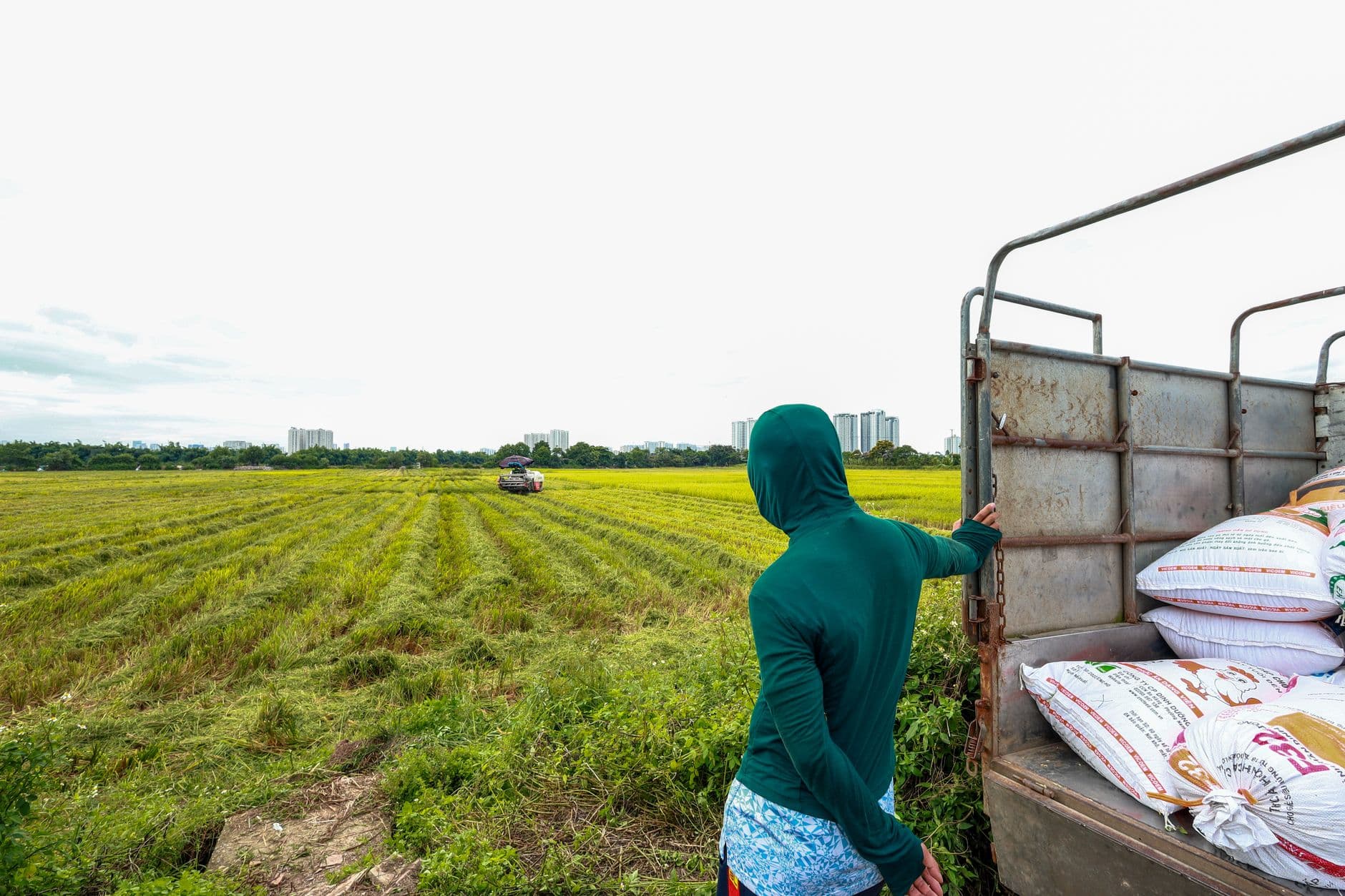
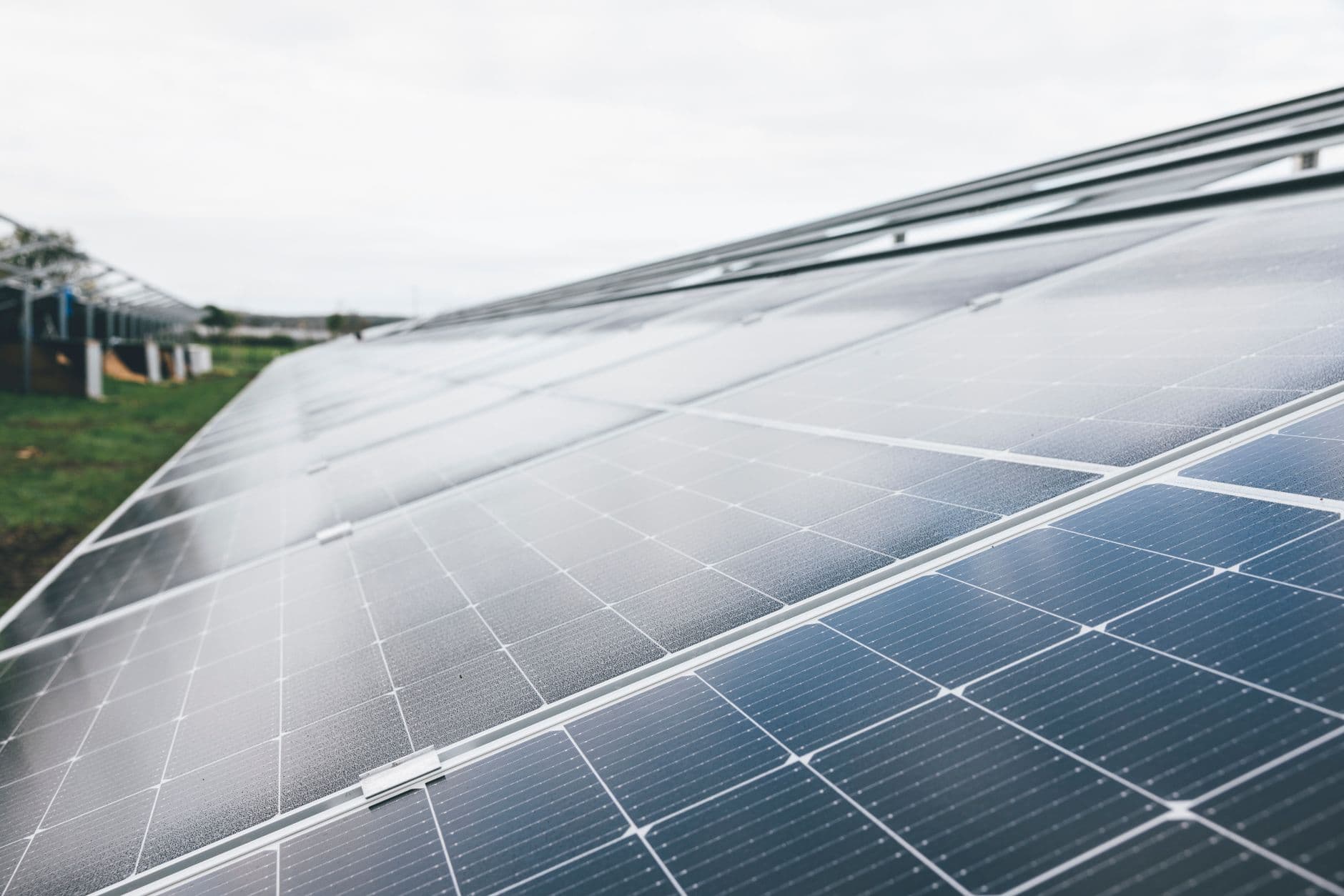
For nearly a century, the primary objective of industrial agriculture was to maximize sun exposure. In a stable climate, this logic held firm. However, as global temperatures breach historical averages and heatwaves become more frequent, raw sunlight has transitioned from a life-giving resource into a stressor that kills crops and evaporates precious groundwater. By placing solar panels above high-value crops—a practice known as agrivoltaics—we are fundamentally redesigning the microclimate of the farm.
This is not a compromise; it is a deliberate engineering of the growing environment. In 2023, research from the University of Arizona demonstrated that certain crops, such as cherry tomatoes and chiltepin peppers, saw a doubling of fruit production when grown under the protective canopy of solar panels. The panels act as a thermal buffer, preventing the soil from reaching the scorching temperatures that trigger plant shutdown. When a plant gets too hot, it stops growing to survive. Solar grazing and crop integration keep the plant in its productive zone for more hours of the day.
Beyond yield, the water economics of this system are transformative. By reducing the direct solar radiation hitting the soil, evaporation rates plummet. Some trials have shown a 30% reduction in water requirements for crops under solar arrays. In regions like the Central Valley of California or the Mediterranean, where water is the most expensive and volatile variable in a farmer's budget, this efficiency is the difference between a profitable season and bankruptcy.
The Midday Power Mandate
The economic engine driving this shift is the collapse of midday energy prices. As solar capacity continues to scale, the market is frequently flooded with more electricity than the grid can consume during peak sunlight hours. This "free" or even negative-priced power creates a mandate for a new kind of economy. Farmers are no longer just sellers of calories; they are becoming managers of a dual-income stream that balances volatile commodity prices against the steady, predictable revenue of energy production.
This synergy solves the "not in my backyard" (NIMBY) opposition that has stalled large-scale solar projects for years. Rural communities have long resisted the transformation of productive farmland into sterile, fenced-off industrial zones of glass and steel. Agrivoltaics removes this friction by keeping the land in production. It allows the multi-generational farm to survive by diversifying its output without sacrificing its identity.

Furthermore, the integration of livestock—specifically sheep, in a practice known as solar grazing—eliminates the need for fossil-fuel-powered mowers and herbicides to manage vegetation around the panels. This creates a closed-loop system where the animals provide maintenance, the panels provide shelter and superior forage quality, and the farmer collects checks from both the utility company and the wool or meat market. It is a rare example of industrial efficiency aligning perfectly with biological needs.
Shifting From Extraction to Microclimate Design
We must view these installations not as power plants, but as sophisticated climate-control infrastructure. Traditional solar farms are extractive in their use of space; they take land out of the ecosystem. The "Shade Harvest" revolution treats the solar array as a tool for ecological enhancement. By carefully calibrating the height and tilt of the panels, we can tune the amount of light reaching the ground to match the specific biological requirements of the crop below.
This requires a shift in how we fund and permit agricultural projects. Government mandates for green energy and agricultural subsidies have historically lived in separate silos. To fully realize the potential of agrivoltaics, these policies must merge. We need a regulatory framework that recognizes a solar array as a legitimate agricultural tool, much like a greenhouse or an irrigation system. Without this shift, we are leaving billions of dollars in potential productivity on the table while the soil continues to bake under an unprotected sun.
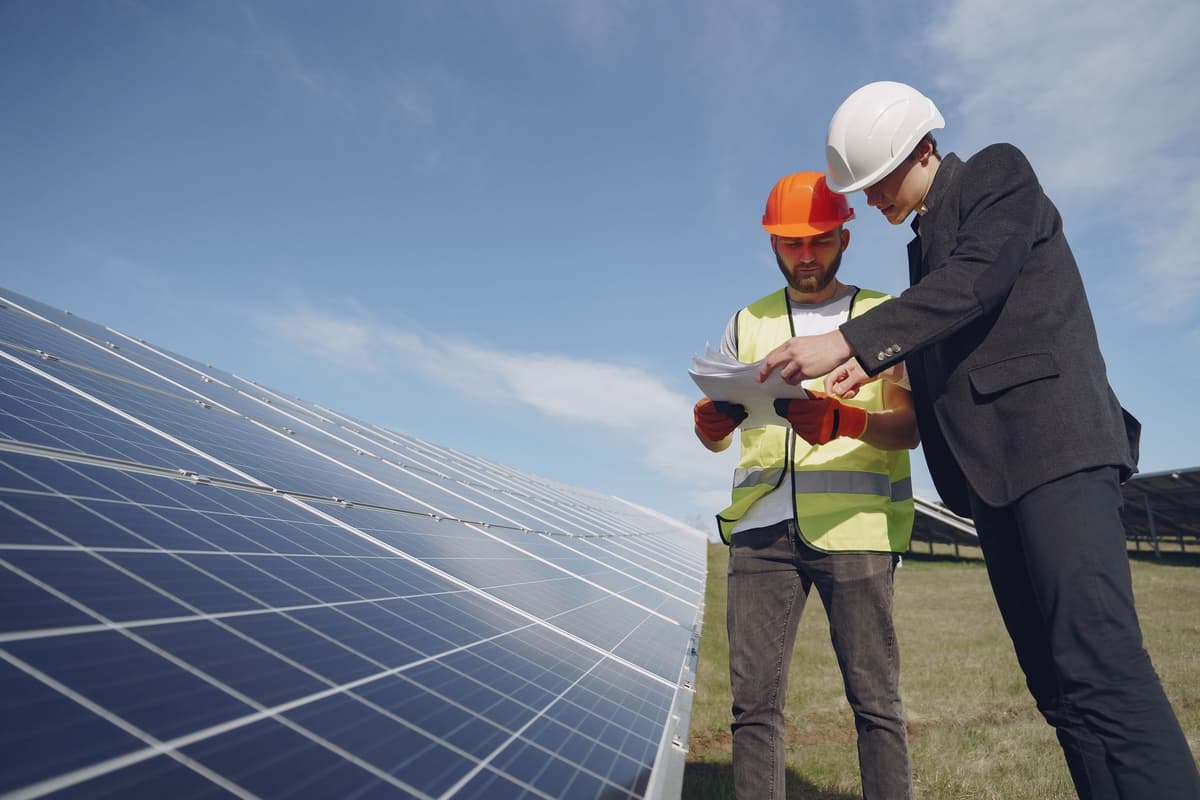
Photo by Gustavo Fring on Pexels
The transition is already happening at scale in countries like Germany and Japan, where land is scarce and energy is expensive. In the United States, the adoption is slower but the logic is becoming undeniable. As the climate becomes more erratic, the predictability offered by a controlled microclimate becomes the ultimate competitive advantage. The farms of the 2030s will not be wide-open plains; they will be complex, tiered systems of energy and life.
What This Actually Means
The agrivoltaic revolution signals the end of the era where energy and food were competing interests. By utilizing the "free" midday power mandate to subsidize the infrastructure of shade, we are building a more resilient food system that can withstand the heat of a changing planet. This is a structural pivot from fighting nature to designing with it, using technology to create the very conditions that biology needs to thrive.
Ultimately, this is about risk mitigation. A farmer with two revenue streams is harder to bankrupt than a farmer with one. A crop protected from the peak intensity of the sun is more reliable than one exposed to it. We are moving toward a future where the most productive acre of land is the one that produces both the energy to run the world and the food to sustain it. It is the most logical path forward in a resource-constrained century.
Quick Answers
Does the shade actually help all crops?
No, it is best suited for leafy greens, berries, and some root vegetables that thrive in partial shade. Cereal crops like wheat or corn still generally require full sun, though research into specialized spacing is ongoing.
Is the infrastructure too expensive for the average farmer?
Initial capital costs are high, but the dual revenue from power purchase agreements and increased water savings typically leads to a faster return on investment than traditional farming or traditional solar alone.
How do you harvest crops under the panels?
Modern agrivoltaic designs elevate the panels 8 to 15 feet off the ground and space the rows to accommodate standard tractors and harvesting equipment, ensuring that mechanization is not sacrificed for energy.