Your Awkward Silence is Now a Vital Sign
I’m thrilled to report that your inability to maintain a fluid conversation is no longer just a personality flaw; it’s a measurable diagnostic metric. Scientists have decided that the subtle, rhythmic dance of a conversation—the way you nod while your doctor explains something they learned fifteen years ago—is actually a window into your impending neurological collapse. They call it "social physics," a term that sounds suspiciously like something a Silicon Valley dropout would say right before losing forty million dollars of venture capital.
The premise is simple: when two humans interact, their nervous systems supposedly sync up like a pair of Bluetooth speakers that actually work. This is "biological entrainment." If your vagus nerve doesn't vibrate at the exact frequency of a physician who is three hours behind schedule and thinking about their golf swing, the AI starts flagging you for early-stage cardiovascular decline. We’ve reached the peak of human innovation where being a bad conversationalist is officially a medical emergency.
The Algorithm Knows Why You Stuttered
Imagine a world where your doctor isn't actually listening to your symptoms because they’re too busy letting a high-frequency sensor analyze the micro-fluctuations in your vocal timbre. We are moving toward a future where "How are you feeling today?" isn't a question, it's a stress test. If your response doesn't hit the right prosodic markers, the software decides your heart is about to quit. It’s the ultimate gaslighting tool—you say you feel fine, but the computer says your "rhythmic synchronization" is off by 4%, so please head directly to the pharmacy.
- The AI looks for "turn-taking dynamics," because apparently, interrupting someone is now a symptom of brain fog rather than just being from New York.
- It measures your vagal tone through voice analysis, saving you the trouble of actually having a physical examination.
- If you and your doctor don't "sync," the software might just assume one of you is a robot or, worse, a person who hasn't had enough caffeine.

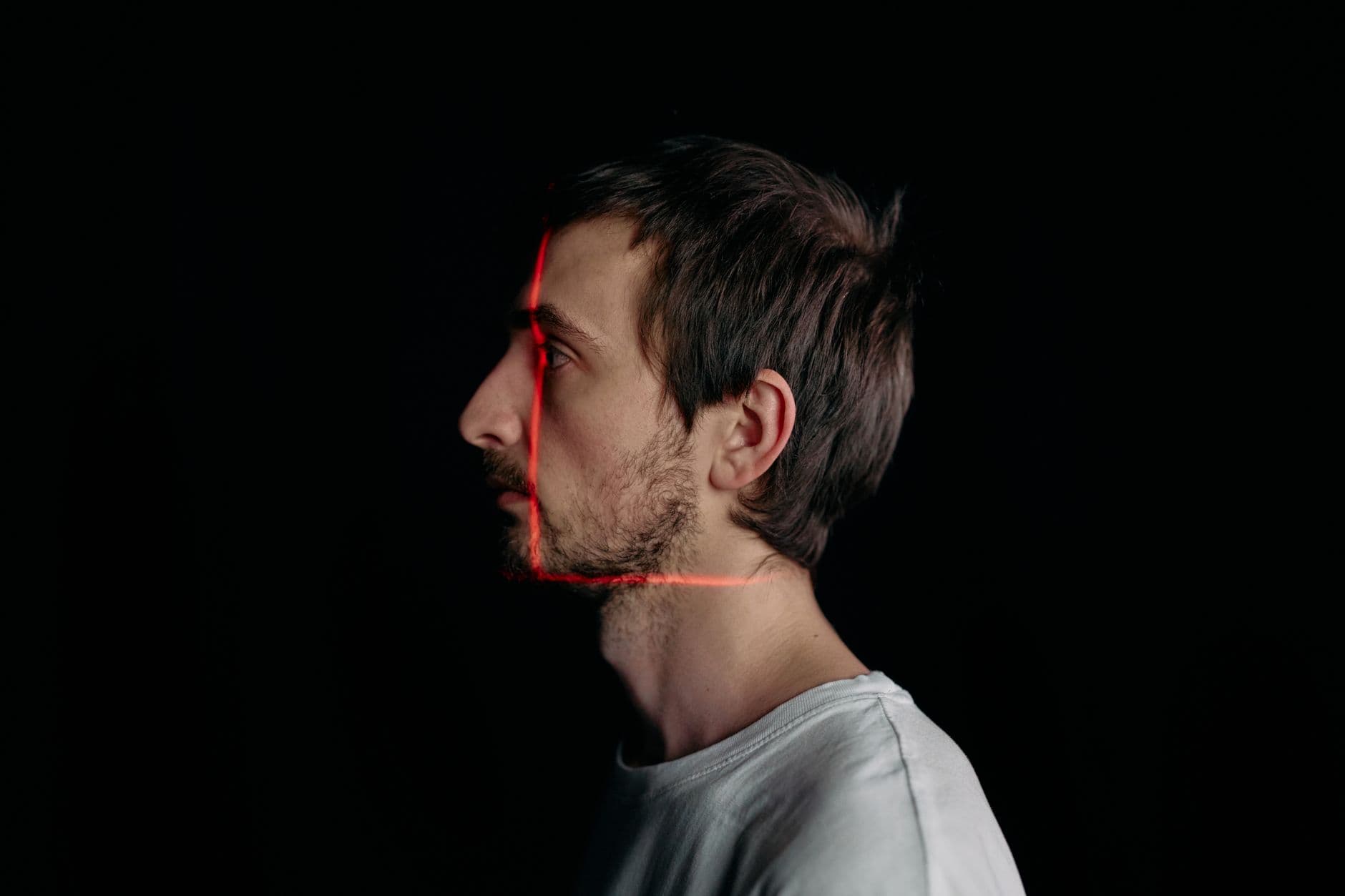
Photo by www.kaboompics.com on Pexels
This isn't just about medicine; it’s about the total quantification of human awkwardness. We’ve spent decades trying to make computers act more like humans, and we’ve finally succeeded by making human interaction feel exactly like a diagnostic data transfer. If you’ve ever felt like your doctor wasn't really "with" you during an appointment, don't worry. The AI was there, recording every pathetic, unsynchronized millisecond of it.
Why Fix the Healthcare System When You Can Measure It?
It is truly heartwarming to see resources poured into "social physics" while the average wait time for a specialist is roughly the length of a minor ice age. We can’t get people affordable insulin, but by God, we will know if their speech patterns are 0.02 seconds out of sync with a primary care physician. It’s a classic tech-bro pivot: if the system is failing, just invent a new way to measure the failure and call it a breakthrough.
The beauty of "Vagus-Sync" is that it places the burden of health entirely on your ability to perform socially. If you’re an introvert with a low resting heart rate, good luck convincing the algorithm you aren't currently experiencing a silent stroke. The data doesn't lie, even when the data is just a recording of you trying to remember the word "stomachache" under the pressure of a ticking clock and a $250 co-pay.

We are essentially turning every social interaction into a covert biometric scan. Why stop at the doctor’s office? Let’s bring social physics to first dates. Let’s have an AI tell us that our lack of rhythmic entrainment isn't because the other person is boring, but because we’re developing a leaky heart valve. It takes the guesswork out of life. No more wondering if you’re uncharismatic; now you’re just biologically incompatible with the vibe.
What This Actually Means
In reality, this is the final frontier of the surveillance state—the literal colonization of the space between two people. By labeling the cadence of human speech as a medical data point, we’ve effectively turned silence into a suspicious activity. The goal is to catch diseases early, which is noble in a vacuum, but in practice, it’s just another layer of digital noise between a patient and the care they actually need.
We’re trading the intuition of a trained human being for the cold, calculated "sync" of an algorithm that thinks human connection is a math problem. If your doctor needs a computer to tell them that your nervous system is haywire, maybe the problem isn't your vagus nerve—maybe it’s the fact that we’ve forgotten how to talk to each other without a dashboard and a data set.
Ultimately, social physics is just a fancy way of saying we’ve found a way to monetize the vibe. If you can’t vibrate at the same frequency as the machine, you’re broken. It’s a very efficient way to run a society, provided you don't mind living in a world where your personality is just a collection of pre-symptomatic red flags.
Quick Answers
Can I fail a conversation?
Technically, yes. If your biological rhythms don't match your doctor's, the AI might decide your brain is slowing down, even if you’re just bored.
Is this actually non-invasive?
Physically, yes; psychologically, it’s the equivalent of someone watching you eat through a magnifying glass to see if you chew with the correct "rhythmic entrainment."
Will this make my doctor listen to me more?
No. They will be listening to the AI's interpretation of your voice, which is much more interesting to them than whatever you’re actually saying.