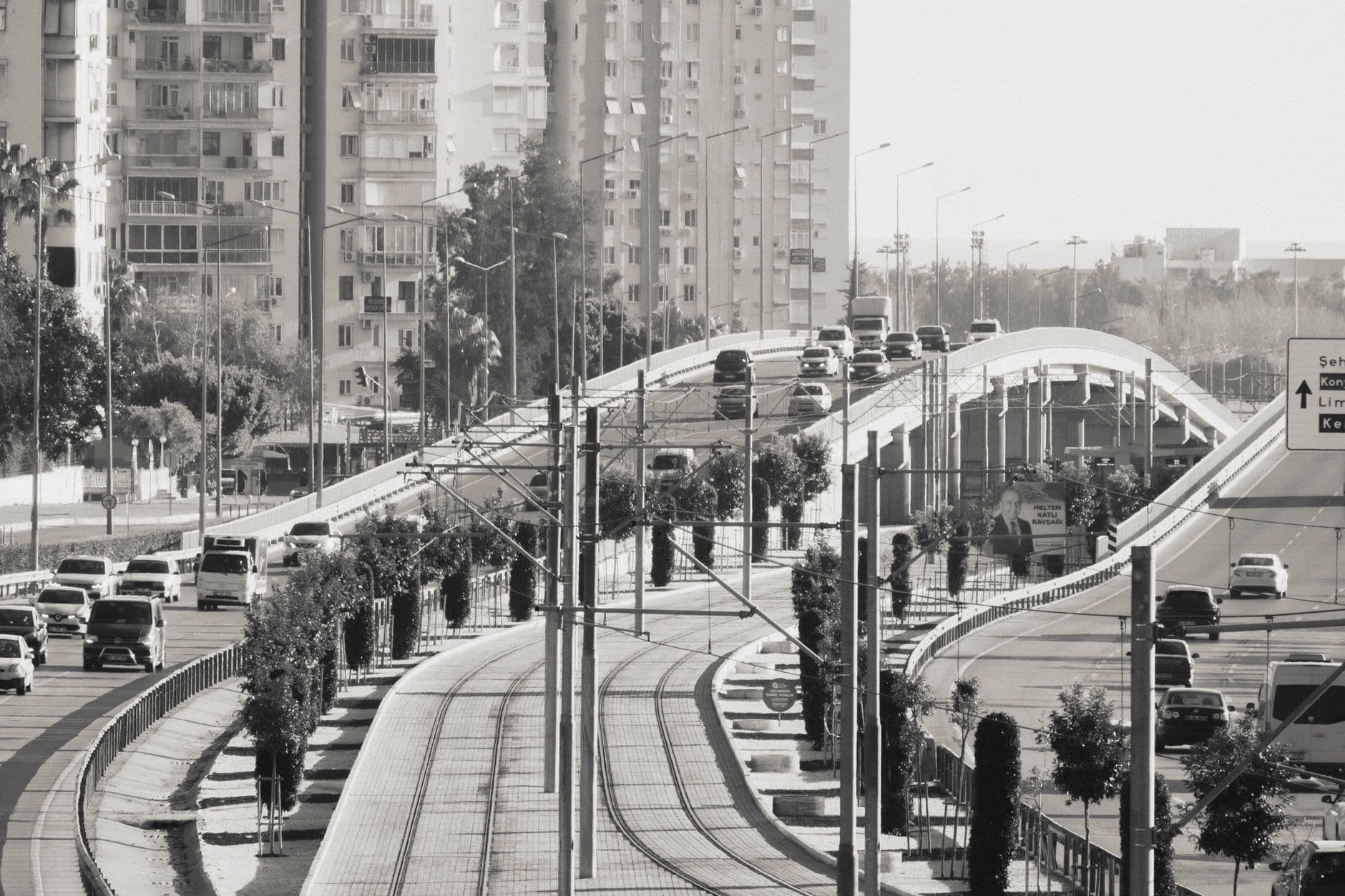
We have spent decades measuring the horror of traffic jams in parts per million of carbon dioxide. It is a clean, scientific metric that makes us feel like responsible adults when we buy a hybrid. But we are ignoring the immediate, screeching reality of the situation. Every time you slam on your brakes because someone in a Nissan Altima decided to merge across four lanes without a blinker, you are not just releasing greenhouse gases. You are actively ruining the love life of a nearby sparrow.
Imagine trying to propose to your significant other while standing next to a jet engine that is also somehow coughing. That is the daily reality for urban wildlife. The push for coordinated flow systems—smart traffic lights, synchronized lanes, things that sound like they were invented by a guy wearing a mock turtleneck—is usually pitched as a way to save fuel. It is actually a desperate rescue mission for animal eardrums and soil worms who just want some peace and quiet.
The Great Backyard Shouting Match
Birds do not have smartphones. If they want to find a mate, they cannot swipe right; they have to sing. But the acoustic chaos of a congested highway acts like a giant, metaphorical leaf blower aimed directly at their romantic prospects.
Research shows that urban birds are actually forced to change their pitch, singing at higher frequencies just to be heard over the rumbling bass of idling diesel engines. They are basically helium-fying their own love songs. Imagine Barry White trying to get you in the mood, but he sounds like Alvin and the Chipmunks because a semi-truck is idling outside the window. It is a biological disaster.

Photo by Dany Kurniawan on Pexels
This is not just about birds losing their mojo. The low-frequency vibrations from stop-and-go traffic—specifically that deep, rhythmic rattling that happens when a hundred cars crawl forward at 2 miles per hour—penetrate deep into the dirt. It turns out soil ecosystems rely on vibration cues to navigate, hunt, and not go completely insane. When the ground is constantly humming like a cheap motel bed from 1975, earthworms lose their minds and stop doing whatever it is earthworms do to make dirt healthy.
Smog is Bad, but the Bass is Worse
Our current obsession with carbon metrics is like judging a terrible roommate solely by how much electricity they use, while ignoring the fact that they play the bagpipes at 3:00 AM. A zero-emission electric vehicle still weighs two tons and makes a high-pitched whirring sound that drives dogs up the wall. If we replace every gas car with an EV but keep the bumper-to-bumper gridlock, the worms are still going to have a bad time.
We need to shift the goalposts from "how much soot did we breathe today" to "can a cricket hear its own thoughts." The ultimate metric for a successful transit policy should be the restoration of biological acoustic corridors.
- The Decibel Zone: A quiet street allows a songbird to project its voice up to 100 meters.
- The Highway Wall: Near a congested road, that range drops to less than 10 meters, forcing birds into awkward, high-stress close-quarters screaming.
- The Soil Shaker: Heavy traffic vibrations can travel up to 30 meters through clay soil, turning a worm's cozy home into a permanent earthquake zone.
If we actually synchronized our traffic lights using AI—or, better yet, just got people onto trains—we would eliminate the constant, jerky stop-and-go cycle. Constant speed means constant noise, which is predictable. Animals can adapt to a steady hum. What they cannot adapt to is the sudden, violent screeech-clunk-honk of a Tuesday morning on the beltway.
The Worms Are Stressed and They Have No Therapist
Think about the soil. We never think about the soil because it is under us and generally silent, but it is teeming with life that is highly sensitive to touch and vibration. When a highway sits at a standstill, the heavy, rhythmic thrum of idling engines sends continuous shockwaves into the dirt.
It is the ecological equivalent of living below a neighbor who practices tap dancing on hardwood floors for eight hours a day. The earthworms stop tunneling. The beetles get disoriented. The entire microscopic buffet that keeps our trees alive goes on strike because their workplace environment has become toxic.
If we want to fix our cities, we have to design them for ears, not just lungs. We need quiet asphalt. We need acoustic buffers that look like parks instead of concrete walls. And we need to realize that the sound of silence is not just a nice Simon & Garfunkel song—it is a vital piece of infrastructure.
What This Actually Means
Designing cities to be quiet sounds like a luxury for rich neighborhoods with organic grocery stores, but it is actually a fundamental ecological necessity. When we build transit systems that flow smoothly, we are not just saving commuters fifteen minutes of staring at the bumper of a Honda Civic. We are rebuilding the invisible bridges that keep nature functioning.
If we keep measuring success solely by greenhouse gas reductions, we will end up with a world of silent, electric gridlock where the air is clean but the forests are dead quiet because every living thing has fled the noise. That is not a green future; it is a politely managed cemetery.
Next time you are stuck in traffic and tempted to honk your horn, remember that you are not just venting your frustration at the guy in front of you. You are also shouting directly into the living room of a very stressed-out family of chipmunks. Put the horn down, support public transit funding, and let the worms sleep.
Quick Answers
How does traffic noise actually hurt animals?
It drowns out their communication, making it impossible for them to warn each other about predators, find mates, or defend their territory. They are essentially forced to live in a permanent, high-volume static zone.
Can't we just build giant sound walls everywhere?
Sound walls help human neighbors on the side of the highway, but they do nothing for the soil creatures directly underneath the road, and they actually trap and bounce noise back onto the roadway itself, intensifying the chaos for any birds flying overhead.
Will electric cars solve this problem?
Not really. While EVs are quieter at low speeds, they are actually heavier than gas cars, meaning they create significant tire-to-road noise and ground vibrations at higher speeds, and they do nothing to solve the gridlock that causes stop-and-go noise in the first place.