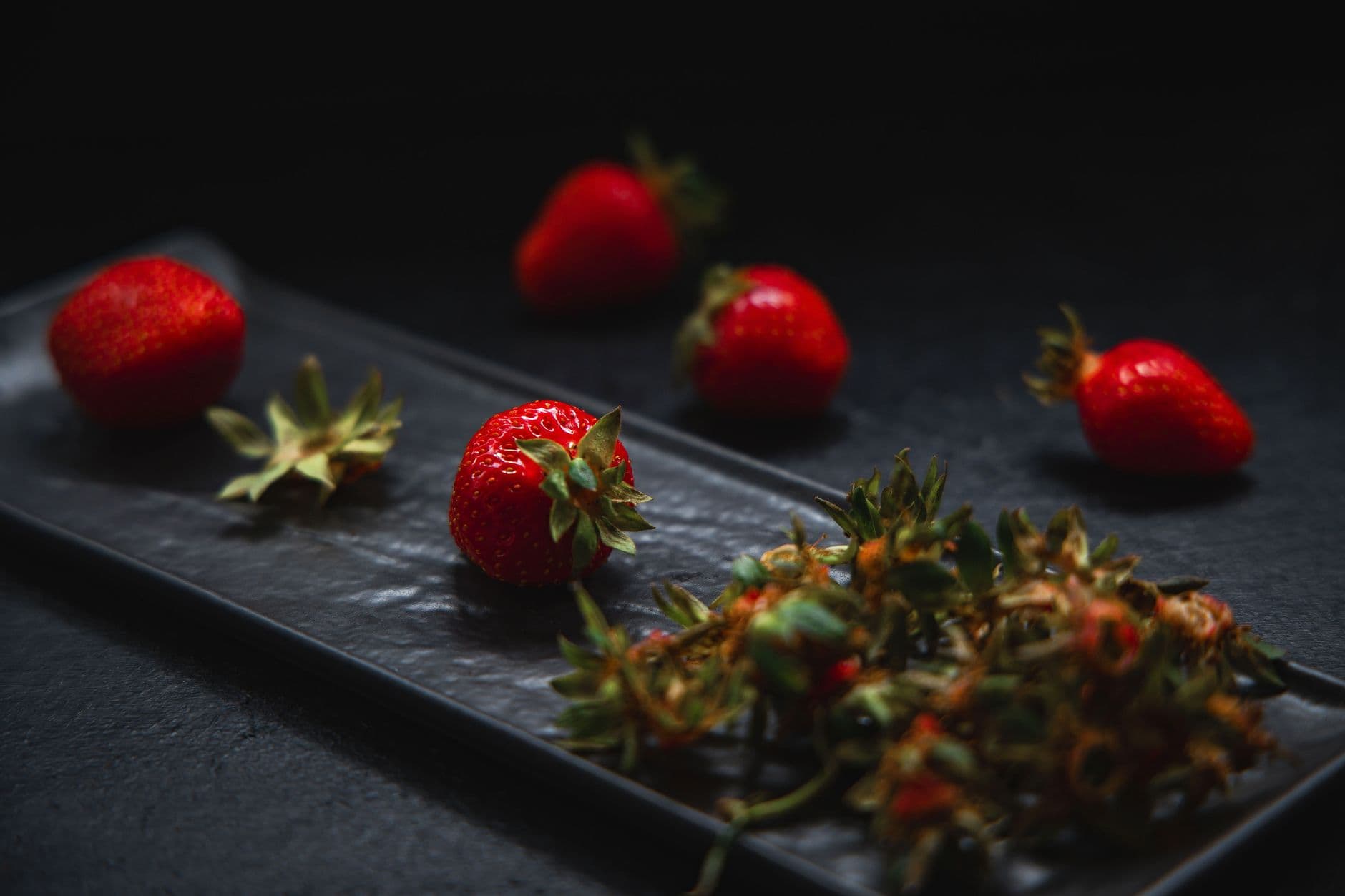
The $400 Jar of Historical Fan Fiction
I recently saw a jar of 'Wild-Harvested Highland Bovine Adrenal Gland' that cost more than my first car. The marketing copy didn't talk about nutrition; it talked about the 'vibrational resonance' of the soil in a specific part of Scotland where the cows supposedly spend their days contemplating the works of Robert Burns. This is the new frontier of eating: Provenance-as-Performance. It’s not enough for your steak to be organic; it needs a LinkedIn profile, a verified birth certificate, and a traumatic backstory involving a thunderstorm in the late Pleistocene.
We are obsessed with the idea that our ancestors were all seven-foot-tall gods with the bone density of a sidewalk, fueled entirely by raw milk and the sheer audacity of being alive before taxes. To chase this dream, wealthy city-dwellers are now paying a premium to eat like they’re about to die of dysentery at age twenty-four. It’s a beautiful irony: we use high-speed fiber optic internet to order 'primal' snacks that arrive in refrigerated boxes packed with more plastic than a LEGO factory.
But here’s the punchline: the earth is tired. We don’t actually have enough 'wild' left to feed everyone like a paleo-influencer. If everyone started eating like a 19th-century Mongolian hunter tomorrow, the last forest on Earth would be turned into a charcuterie board by Friday. Enter the Synthetic Pasture—the weirdest magic trick in the history of food science.
Precision Fermentation: Making Yeast Do the Dirty Work
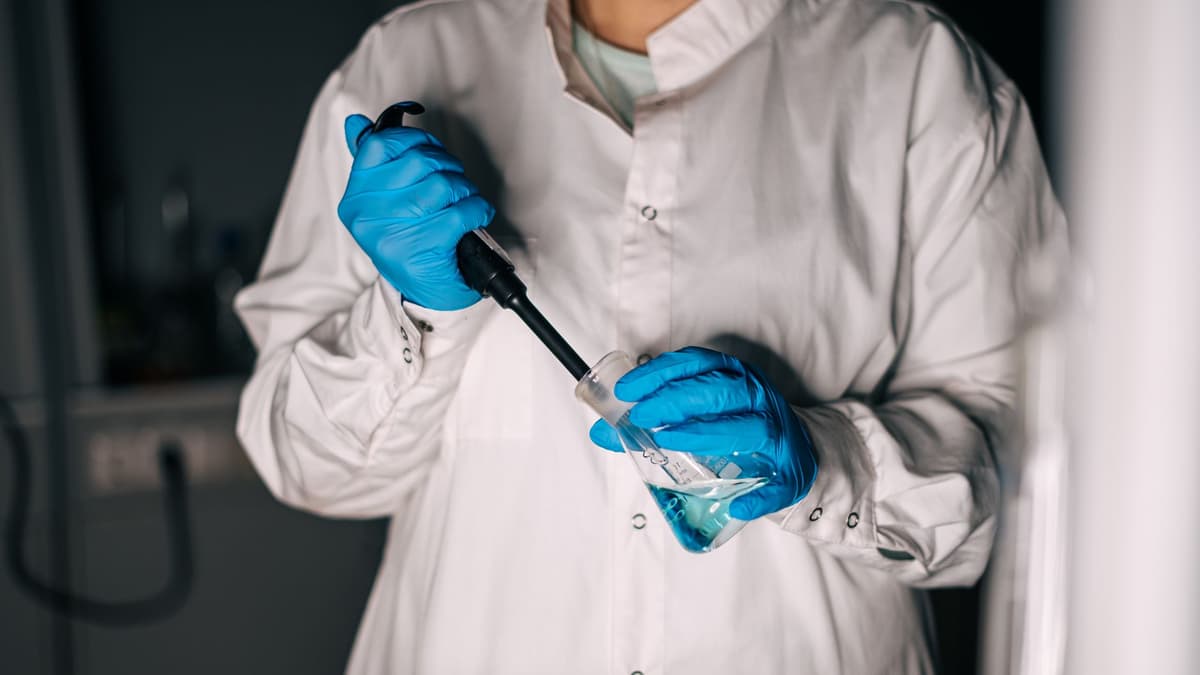
Since we can't all have a personal cow that only eats heirloom clover, we’ve decided to play God with yeast. Scientists are currently using precision fermentation to trick microorganisms into sweating out the exact proteins found in raw goat milk or elk heart. It’s basically 'The Matrix' for dairy. We are building massive, gleaming stainless-steel vats to produce 'natural' food that has never seen the sun, all so we can feel like we’re more connected to nature.
Imagine a laboratory in a suburban office park where a guy named Tyler, who wears blue-light-blocking glasses and hasn't touched a tree in six months, is monitoring a digital display. He’s fine-tuning the 'Ancestral Stress Profile' of a batch of synthetic tallow. He wants it to taste like the cow was slightly worried about a wolf, but not so worried that it ruined the marbling. This is the 'Synthetic Pasture' paradox. We are using the most unnatural methods imaginable to achieve a result that is technically more 'natural' than the real thing.
This isn't just about making fake meat. It’s about molecular cosplay. We are gene-editing crops to produce the specific fatty acid chains found in 12,000-year-old tubers. We’re literally hacking the DNA of a soybean so it can pretend it’s a piece of prehistoric moss. It’s like buying a brand-new Jeep Wrangler and then paying a company $5,000 to professionally spray it with 'authentic' Mojave Desert mud so people at the mall think you’ve seen a rock.
The Ancestral Aesthetics of Lab Slime
The marketing for these products is a masterclass in gaslighting. They’ll show you a photo of a rugged man with a beard standing on a mountain peak, captioned 'RECLAIM YOUR RADIANCE.' Below it, in tiny 6-point font, it says: Produced via CRISPR-enabled microbial biosynthesis in a controlled industrial environment. They are selling us the feeling of being a hunter-gatherer, but with the convenience of a subscription model and a user-friendly app.
I’m waiting for the day we get 'Vintage Air.' Some startup will claim that the oxygen we’re breathing is too 'modern' and 'polluted with 5G,' so they’ll sell us canisters of air synthesized to match the atmospheric composition of the Cretaceous period. And we’ll buy it. We’ll sit in our ergonomic chairs, huffing dinosaur-fart-scented air, believing it’s the only way to optimize our REM sleep.
There is something deeply human about this level of absurdity. We hate our modern, sanitized lives so much that we are using our most advanced technology to try and escape it, only to end up creating a high-tech simulation of the very dirt we’re trying to get back to. We are the only species on the planet that would invent a $50 million machine just to make a cracker taste like a dry root.
What This Actually Means
Ultimately, the rise of the Synthetic Pasture proves that 'nature' is no longer a place—it’s a luxury brand. We’ve turned the biological history of our species into a series of premium SKUs. If you can afford the $85 'Primordial Liver' pills, you get to pretend you’re part of the biological elite, even if your most strenuous physical activity is carrying a laptop to a different part of the living room.
But there’s a silver lining. If we can actually replicate the nutrient density of high-quality animal products without, you know, needing ten billion cows, that’s objectively a win for the planet. It just means we have to accept the hilarity of our situation. We are a civilization of toddlers who want the 'natural' toy, but only if it comes in a box that says 'Extreme High-Performance Bio-Legacy.'
So, go ahead. Drink your lab-grown, precision-fermented, gene-edited 'ancestral' smoothie. Just don’t be surprised when your body realizes it’s still just a meat-computer living in a box, scrolling through memes about how much better life was when we all had lice and died of a tooth infection at thirty.
Quick Answers
Is 'synthetic pasture' food actually healthy?
Chemically, it's often identical to the high-end wild stuff, but it lacks the 'soul' of actually having to chase your dinner through a briar patch.
Why is it so expensive if it's made in a lab?
Because you aren't paying for the ingredients; you're paying for the R&D required to make a yeast cell think it's a bison's gallbladder.
Will this replace real farming?
Only for the hyper-optimized 1% who treat their stomachs like a high-performance Formula 1 engine; everyone else will keep eating normal cheese like a peasant.