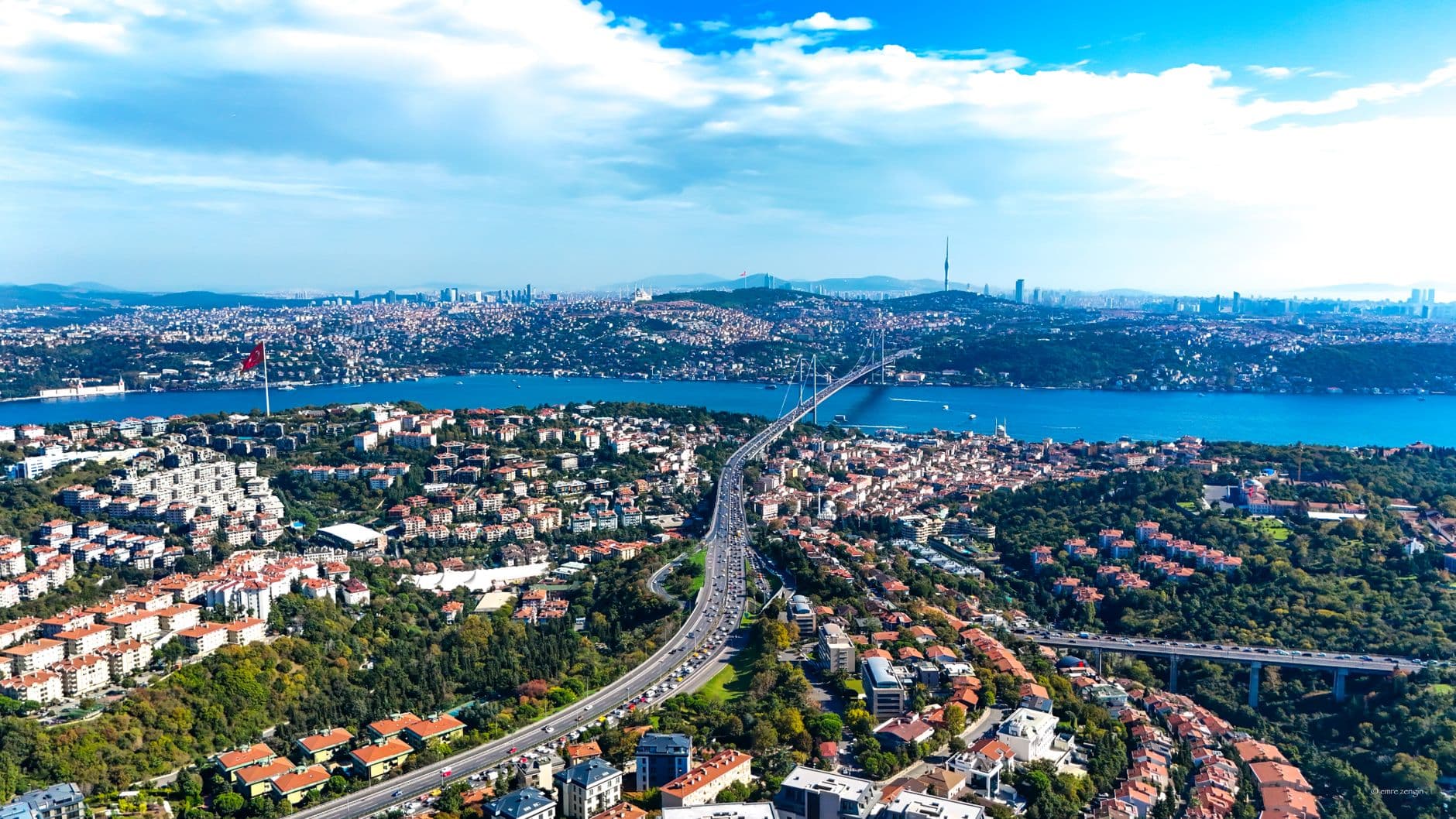
I spent forty-five minutes yesterday watching a single delivery truck block an entire lane of traffic, wondering if we are thinking about cities all wrong. What if the solution to our soul-crushing gridlock isn't wider highways, but a biological rethink that treats our streets like root systems?
We have spent the last century treating traffic as a plumbing problem. If there is too much water, you buy bigger pipes. But cities are not sinks, and cars are not water. They are more like blood cells, or perhaps, when things go wrong, parasites that choke the very host they are supposed to keep alive.
Lately, I have been reading about how urban planners are looking at forests for inspiration. Specifically, they are looking at mycelium—the underground fungal networks that connect trees, sharing nutrients and information across miles of soil. It sounds like hippie nonsense until you look at the math of how a forest manages resources without a single central computer.
The Metabolic Cost of Standing Still
When we sit in traffic, we tend to complain about lost time. We rarely think about the literal energy leak. In the United States alone, idling vehicles waste about 3.9 billion gallons of fuel every single year. That is not just a waste of money; it is a metabolic failure of the city.
Think about a city as a living organism. When traffic stalls, the organism's circulation stops. Toxins pool in one place. The air quality index spikes on a single corner, while three blocks away, the streets are completely empty. It is a distribution crisis.
Biologists talk about "ecosystem services"—the free things nature does for us, like wetlands filtering water. What if we viewed "traffic fluidity" as an ecosystem service? A street that flows smoothly is not just convenient; it is a healthy lung. The moment it clogs, the metabolic cost skyrockets.
The Mycelial Transit Network
Here is where the weird, beautiful science comes in. In a forest, if one tree is starving, the mycelial network redirects sugar from a healthy tree nearby. It does this fluidly, without a committee meeting, based on chemical gradients and simple local rules.
What if our transit systems did the same?
Imagine an autonomous rideshare fleet that does not just look for passengers, but actively communicates with decentralized bike-sharing hubs. If a major artery clogs, the algorithms do not just reroute cars to choke another street. Instead, they trigger a drop in bike-share prices nearby, or nudge commuters to step out of the car and onto an e-bike to cover the last mile.
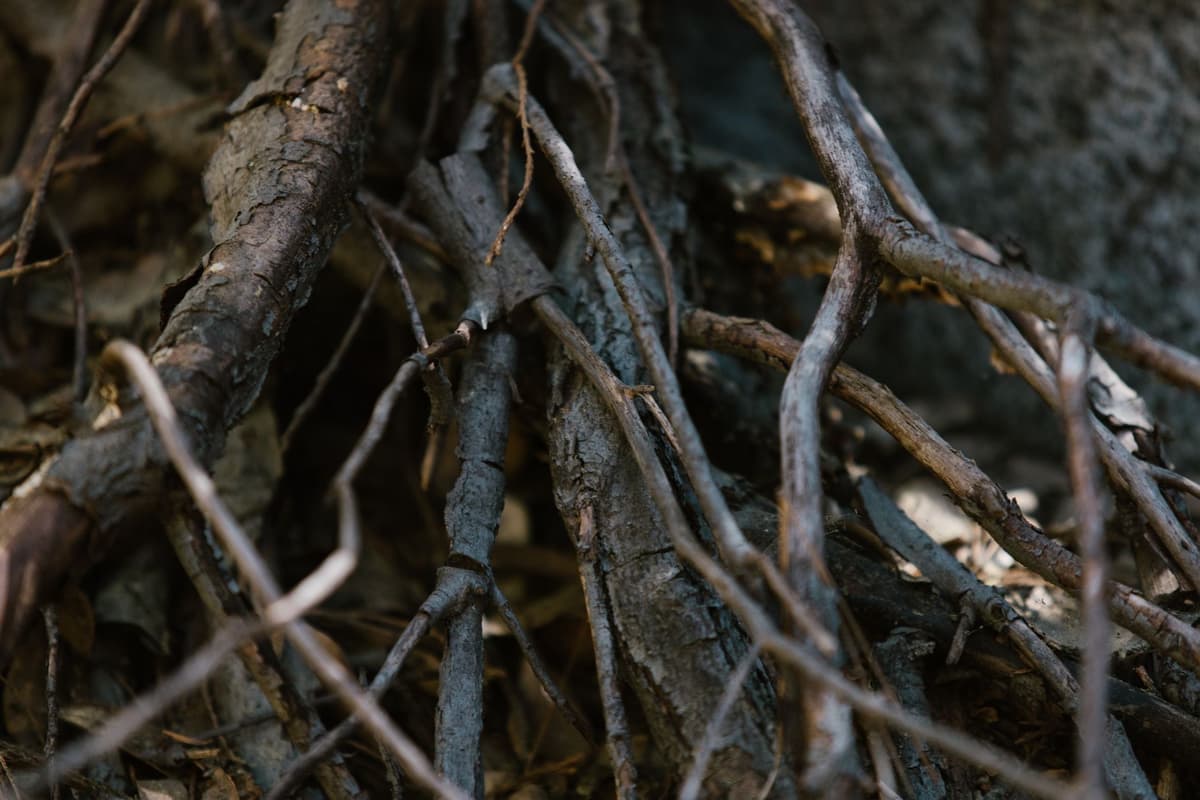
Photo by RDNE Stock project on Pexels
This is not science fiction. Researchers are already using the behavior of slime mold—which is famously efficient at finding the shortest path to food—to design more resilient subway maps. The mold consistently replicates the layout of the Tokyo rail system in just a few hours, finding bypasses that took human engineers decades to plan.
The Friction of Collaboration
Of course, the biggest hurdle here is not the technology. We have the code. The hurdle is our obsession with competition and ownership.
For a mycelial transit system to work, competing companies have to talk to each other. Uber’s algorithm has to coordinate with Lyft, which has to coordinate with the city's public bus schedule and the local bike-share non-profit. Today, these entities operate like rival species competing for the same patch of sunlight.
In nature, absolute competition is a phase, not the destination. Mature ecosystems survive through mutualism. If the private shuttle service refuses to share data with the subway, the entire system suffers from localized strokes. We have to design digital protocols that make collaboration more profitable than hoarding data.
What This Actually Means
If we shift our perspective, we stop building bigger roads. We start building smarter connections. We begin to see that a car, a bicycle, a subway car, and a pair of sneakers are not competing modes of transport, but different sizes of vessels in the same circulatory system.
This requires a level of humility we do not often see in city hall. It means admitting that top-down control has failed us, and that the smartest way to run a city of ten million people might be to let it organize itself from the bottom up, guided by simple, cooperative rules.
Ultimately, the goal is not just to get home five minutes faster. It is to live in a city that breathes. When we align our infrastructure with the logic of biology, we might find that the cure for our traffic headaches has been growing under our feet all along.
Quick Answers
What is mycelial transit planning?
It is an urban design concept inspired by fungal networks, where different transit modes share data in real-time to distribute passengers and reduce congestion naturally.
How does traffic affect city metabolism?
Congestion acts like a blockage in a circulatory system, causing localized pollution spikes and wasting billions of gallons of fuel through unnecessary idling.
Can competitors really cooperate this way?
Only if cities mandate open-data standards that require private transport companies to share real-time routing information for the public good.