The World’s Most Expensive Grass
Nothing says 'environmental stewardship' quite like hosting a global soccer tournament in a region where the clouds have effectively been on strike for a decade. Morocco, a country currently staring down its sixth consecutive year of drought, has decided that the best way to handle a water crisis is to invite a few million fans over for a game of ball. It is a bold strategy. If you or I ran out of water at home, we might buy a filter or fix a leak; Morocco, however, is building a $5 billion network of desalination plants and calling it 'stadium maintenance.'
To the casual observer, spending billions to ensure a pitch in Casablanca stays a vibrant shade of emerald while the surrounding wheat fields turn to dust might seem like a lapse in judgment. But that is because you aren't thinking like a bureaucrat. By framing these massive infrastructure projects as 'World Cup requirements,' the Moroccan government gets to bypass the usual hand-wringing over debt and jump straight to the part where they build the largest desalination plant in Africa. It is the ultimate life hack: if you want a new kitchen, just tell your bank you’re hosting the Olympics in your breakfast nook.
Trickle-Down Hydrology
The genius of the 'Oasis-as-Infrastructure' model is its sheer, unadulterated audacity. The plan involves piping 'Moroccan Blue'—which is just seawater that has had the salt beaten out of it by high-pressure membranes—into the 'Green Generation' agriculture strategy. The theory is that the water used to keep a striker from getting a grass stain in 2030 will magically find its way into the tomato exports of 2031. It’s trickle-down economics, but with actual liquid, which makes it slightly more plausible than the fiscal version.
- The Casablanca desalination plant alone is expected to pump out 300 million cubic meters of water annually.
- Total investment in the water sector leading up to the tournament is hovering around $14 billion.
- The goal is to irrigate 1 million hectares of land by 2030, regardless of whether a single cloud appears.
This isn't just about sports; it’s about making sure the country’s massive berry and citrus exports don't become expensive potpourri. Morocco provides a staggering amount of the European Union’s winter produce. If the Sahara wins the war against the Moroccan farmer, the average Londoner’s salad becomes a very depressing bowl of wilted arugula. By tethering the survival of the agricultural sector to the prestige of FIFA, Morocco has made 'not dehydrating' a matter of national sport.
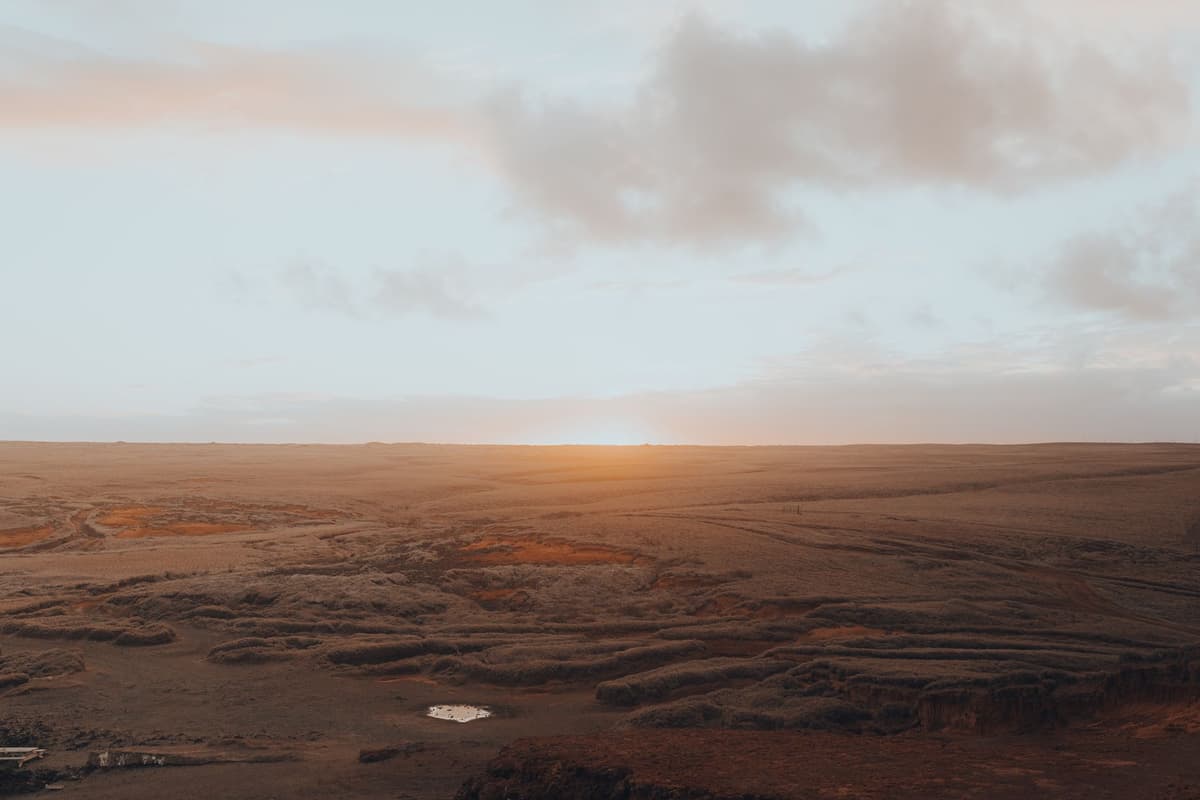
Photo by Aman Malik on Pexels
Planting Seeds in Salt Water
We are witnessing the birth of the 'Mega-Event Hedge.' Usually, when a country hosts the World Cup, they build a bunch of white elephant stadiums that eventually become very expensive bird sanctuaries. Morocco is doing the opposite. They are building a massive, nationwide irrigation system and using the stadiums as the decorative hood ornaments. It’s a brilliant bit of misdirection. While the world watches the 2030 final, the real winner will be the tomato farmers in the Souss-Massa region who are suddenly connected to a giant, salt-free straw reaching into the Atlantic.
There is, of course, the tiny issue of what to do with the brine. Desalination produces a salty sludge that is traditionally dumped back into the ocean, creating a localized dead zone that looks like something out of a low-budget sci-fi movie. But when you’re trying to 'drought-proof' an entire kingdom, a few salty fish are just the cost of doing business. The 'Green Generation' strategy doesn't have much room for marine biology when there are export quotas to meet and stadiums to hydrate.
What This Actually Means
Morocco has realized that the only way to get global capital to care about climate adaptation is to wrap it in a jersey and give it a whistle. They aren't building a World Cup; they are building a survival pod and charging FIFA for the privilege of sitting in it. It is a cynical, brilliant, and utterly necessary maneuver for a country that is physically being erased by the Sahara.
By 2030, the 'Oasis-as-Infrastructure' model will likely be the blueprint for every water-stressed nation on Earth. Want a new dam? Host a marathon. Need a wastewater treatment plant? Bid for the Asian Games. We have reached a point where the basic necessities of human life—like, say, water—must be justified through the lens of entertainment. It’s a dark irony, but at least the grass will be green when the world ends.
Quick Answers
Is Morocco actually building these plants just for soccer?
No, they are using the World Cup as a convenient excuse to secure funding for national water security that they've needed for decades. The soccer pitches are just the high-profile beneficiaries of a much larger industrial plumbing project.
What happens to the farmers when the World Cup ends?
Ideally, they keep the water. The infrastructure is permanent, meaning the pipes will continue to bypass the sky long after the fans have gone home and the stadiums have been repurposed into very large, very expensive malls.
Is this 'Green Generation' strategy actually sustainable?
It depends on your definition of sustainable. It saves the agriculture industry from immediate collapse, but it relies on massive energy consumption to run the desalination plants, making it a high-stakes bet on renewable energy growth.