Ireland is currently running a massive, unplanned experiment in resource allocation. According to the Central Statistics Office, datacenters consumed a staggering 21% of the nation’s metered electricity in 2023, surpassing the total electricity used by all rural dwellings combined for the first time in history. It is a statistic that sounds like a typo, but it is entirely real. We are watching a landscape famous for its rolling green hills and sheep-dotted cliffs slowly transform into a primary processing node for global cloud infrastructure.
This rapid shift has created an intense national headache. On one hand, you have tech giants demanding more power to fuel the artificial intelligence boom; on the other, you have a country trying to meet strict European climate targets. The tension feels completely irreconcilable until you look at what is happening on the drawing boards of a few bold biophysicists. They want to take the massive, throbbing heat output from these server farms and pipe it directly into industrial fermentation vats to grow milk protein without the cows. It is a concept called "caloric co-location," and it makes me wonder if we are about to witness the most bizarre marriage of convenience in industrial history.
The thermodynamics of a fake pasture
To understand why this is even a conversation, you have to look at the sheer physics of modern computing. Datacenters are essentially giant, glorified space heaters. They take in high-voltage electricity, run it through silicon chips to calculate things like ad targeting algorithms or LLM weights, and spit out massive volumes of low-grade waste heat. Normally, this heat is vented into the atmosphere or pushed into cooling towers, which is a colossal waste of thermodynamic potential.
Meanwhile, the biotech sector is trying to scale up "precision fermentation." This process uses genetically engineered yeast or fungi to brew specific proteins—like casein or whey—inside giant stainless steel tanks. It is the exact same process used to make insulin or rennet for cheese, just scaled up to feed millions of people. Here is the catch: these microbes are incredibly picky about temperature. They need to be kept constantly warm, usually between 30 and 37 degrees Celsius, requiring immense amounts of energy just to keep the broth cozy.
- Datacenters generate continuous, reliable waste heat at 35 to 45 degrees Celsius.
- Precision fermentation requires constant warmth in exactly that temperature range.
- Co-locating them bypasses the need for separate heating infrastructure entirely.
By building a synthetic dairy factory directly next to a server farm, you effectively create a symbiotic ecosystem. The server cools itself by dumping its waste heat into the yeast vat, and the yeast vat gets free energy to grow the proteins that will eventually become cheese. We are talking about using the heat generated by someone downloading a PDF in Dublin to incubate the milk that will pour onto their cereal the next morning.
Decoupling food from the soil
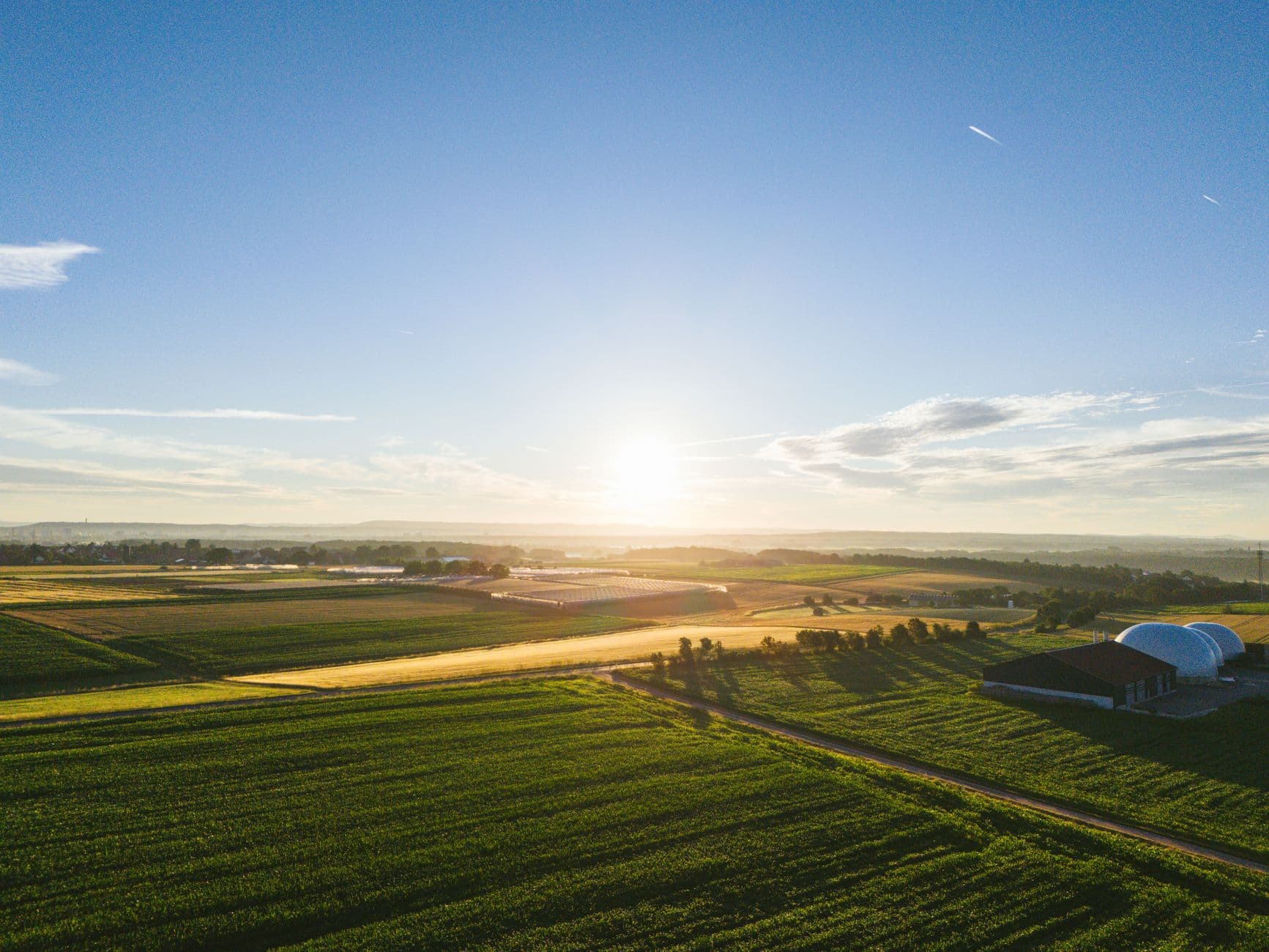
If this works, the implications for Ireland's agricultural identity are dizzying. Ireland has about 7.3 million cattle, outnumbering the human population. Agriculture is responsible for nearly 40% of the country's greenhouse gas emissions, mostly in the form of methane from cow burps. The government is caught in a permanent political vice grip, trying to protect the livelihoods of traditional farmers while desperately trying to slash emissions.
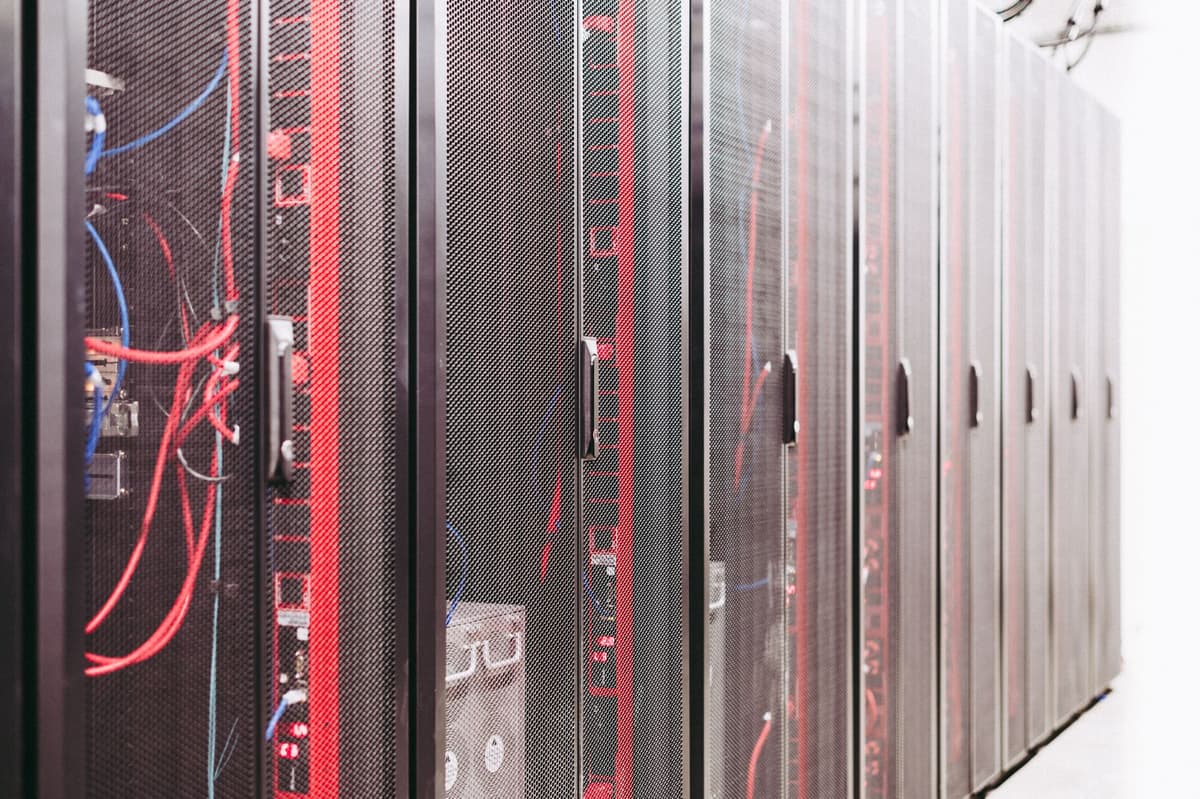
Photo by Brett Sayles on Pexels
What happens if we decouple food production from land? A single precision fermentation facility built on a two-acre plot next to a Dublin business park can produce the same amount of protein as a traditional dairy farm requiring thousands of acres of pasture. It sounds like science fiction, but companies like Perfect Day are already selling whey protein grown this way in the US market.
I find myself wondering what the Irish countryside looks like in this future. If we can grow milk in a steel vat using server exhaust, do we still need the cows? Do those thousands of acres of rye-grass pasture revert to native oak forests, sucking carbon out of the air while the "synthetic pastures" do the heavy lifting in industrial zones? Or do we lose something vital and cultural when we stop farming the land and start managing bioreactors?
The unresolved physics of scale
Of course, it is easy to get swept up in the elegant geometry of this idea. The reality is that we have never tried to scale precision fermentation to the point where it replaces a meaningful fraction of global agriculture. It requires more than just heat; it requires massive amounts of feedstock, usually in the form of simple sugars like corn starch or sucrose, to feed the yeast.
Where does that sugar come from? If we have to clear forests in South America to grow the corn to feed the Irish yeast vats, we haven't solved an environmental crisis; we have just exported it and changed its shape. The math has to add up across the entire lifecycle, not just inside the fence line of the datacenter campus.
There is also the question of public acceptance. Ireland’s global brand is built entirely on grass-fed, pasture-raised dairy. "Origin Green" is stamped on food exports worldwide. Can a country built on the romance of the family farm successfully pivot to selling "server-brewed dairy"? It is a marketing challenge that feels almost as steep as the engineering hurdles.
What This Actually Means
This co-location strategy represents a fundamental shift in how we think about waste. For decades, industrial design has been linear: you take resources, you make a product, and you discard the waste. Caloric co-location is one of the first genuine attempts to treat digital waste—in this case, thermal energy—as a physical raw material for another industry.
If we can bridge the gap between the digital cloud and physical biology, we might accidentally stumble into a blueprint for the future of infrastructure. It suggests that the solution to our energy-hungry digital habits isn't just to build more solar panels, but to weave our digital lives into our physical survival systems.
Ultimately, this is about more than just milk and servers. It is a quiet admission that the boundaries between nature, technology, and agriculture are blurring permanently. We are no longer just using computers to monitor the world; we are preparing to feed ourselves with the warmth of the machines.
Quick Answers
Is this synthetic milk safe to drink?
Yes. The proteins produced via precision fermentation are molecularly identical to the proteins found in cow's milk, meaning they look, taste, and behave exactly the same, though they are naturally lactose-free.
Will this put traditional Irish dairy farmers out of business?
Not immediately, but it represents a massive long-term competitive threat to commodity milk powder production, which makes up a huge portion of Irish dairy exports.
Does this solve the datacenter energy crisis?
No. While it brilliantly recycles the waste heat, the datacenters themselves still require immense amounts of electricity from the grid to run the servers in the first place.