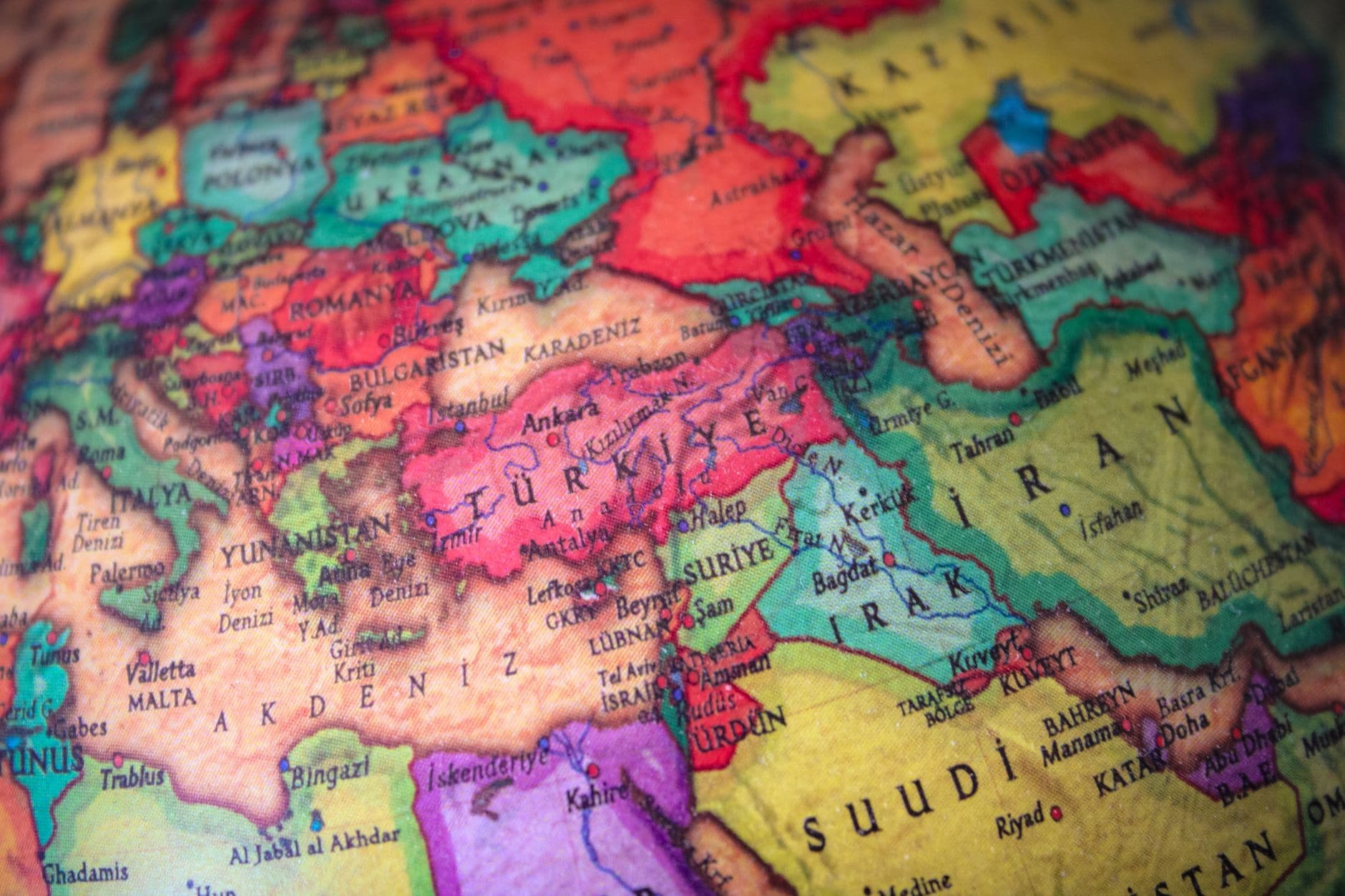
We are about to witness the most expensive, chaotic, and absurdly ambitious reality show in human history. In 2026, forty-eight teams and millions of fans will descend upon Canada, Mexico, and the United States. FIFA, an organization with the moral compass of a pirate captain and the logistical ambition of Alexander the Great, decided that hosting a tournament in one country was simply too easy. Instead, they have created a bureaucratic obstacle course spanning 2,900 miles, three currencies, and some of the most heavily fortified borders on the planet.
Imagine trying to organize a joint family vacation where your uncle, your estranged neighbor, and a guy who only speaks French have to share a single minivan. Now imagine that minivan is traveling at eighty miles an hour, costs $14 billion to run, and requires everyone to show biometric data just to use the cup holders. That is the 2026 World Cup.
The Great Visa Roulette
Here is a fun scenario. A fan from Colombia buys tickets to see their team play a group stage match in Monterrey, Mexico. If they win, the round-of-32 match is in Houston, Texas. If they win again, the round-of-16 is in Vancouver, Canada. To actually watch their team play, this fan doesn't just need to pack a jersey and some face paint. They need to navigate three entirely separate immigration systems, secure three different visas, and hope that a grumpy border agent in a booth doesn't decide their passport photo looks slightly too suspicious because they grew a tournament beard.
Historically, countries hosting mega-events create a special "event visa" to let people in easily. The European Union has the Schengen Area, which is lovely because you can walk from France to Germany without anyone asking if you are carrying raw cheese. North America does not have this. If you try to walk across the US-Mexico border because you want to catch the second half of a game, you will not find a fast-track lane for soccer fans. You will find helicopters, thermal imaging, and a very serious man named Officer Hank who does not care about the offside rule.
Diplomats are currently trying to negotiate a "tri-national corridor." This is a fancy bureaucratic term for "please let us pretend the borders don't exist for six weeks so we don't have to explain to the news why the entire French midfield is stuck at a secondary screening facility in Detroit." It is a beautiful dream. But getting the US Department of Homeland Security to relax its rules is like asking a cat to help you bathe a dog. It is technically possible, but everyone is going to end up bleeding.
The Logistics of a Three-Headed Beast
Let’s talk about the physical reality of moving humans across this continent. We are talking about 104 matches played across 16 host cities. The distance between Vancouver and Mexico City is roughly 2,400 miles. That is not a commute; that is an migration pattern.
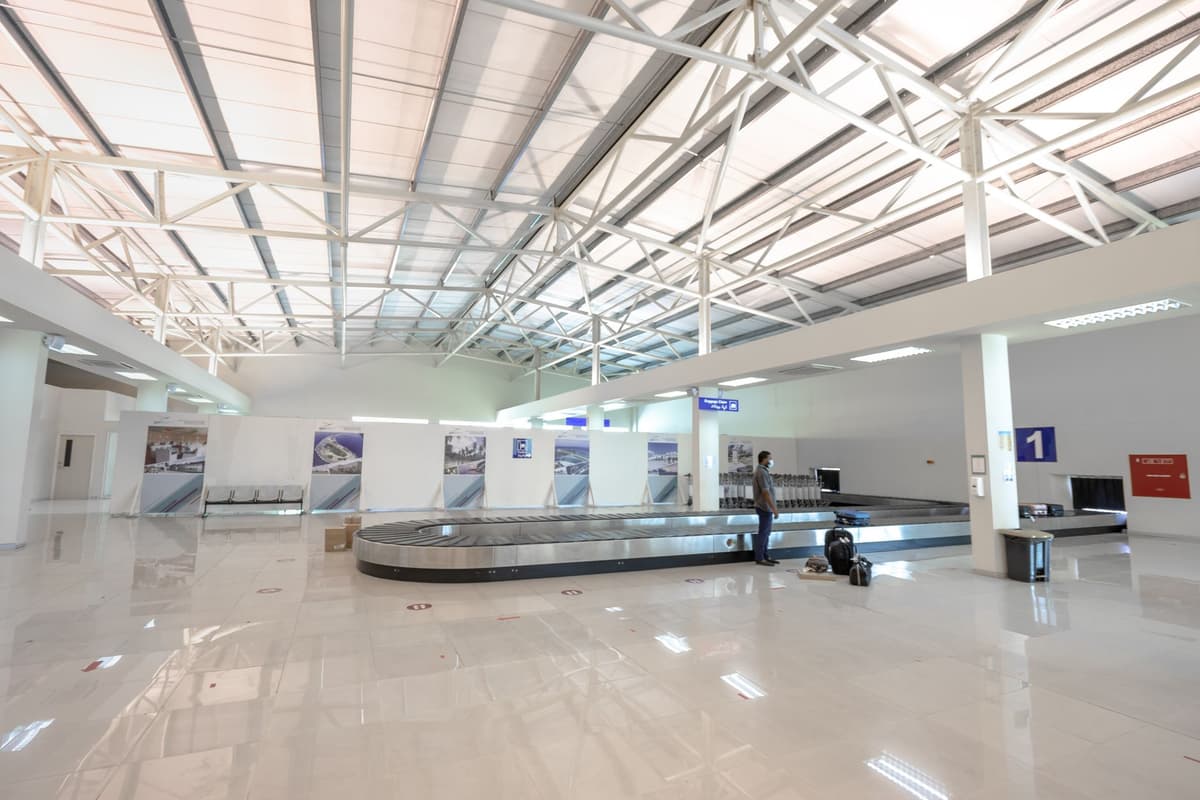
Photo by Asad Photo Maldives on Pexels
To make this work, the organizers have to coordinate three different air traffic control systems. During the 2014 World Cup in Brazil, flights were delayed because a single airport ran out of stairs. Now imagine that, but with the added joy of international flight clearances. A team charter flight flying from Toronto to Dallas has to clear US customs. If a reserve goalkeeper forgets to declare an apple they took from the hotel buffet, the entire team could be stuck on the tarmac for three hours while USDA inspectors conduct a forensic investigation into a Fuji apple.
- The US has 11 host cities, Mexico has 3, and Canada has 2.
- The estimated economic impact is $5 billion, though much of that will likely be spent on aspirin for the organizers.
- Security will involve coordinating the FBI, the RCMP, and Mexico's National Guard, three organizations that historically have very different ideas about what constitutes a reasonable Tuesday.
If you think airport security is bad now, just wait until June 2026. Picture a line of 400 English fans, all sunburned, all slightly damp, trying to explain to a Canadian border guard why they are carrying three drums, twelve flares, and a giant inflatable beaver. It is going to be magnificent television, and none of it will be on the sports channels.
The Soft-Power Flex That Might Just Snap
This tournament was supposed to be a grand showcase of North American unity, a post-NAFTA victory lap showing that we can all get along and make a lot of money together. Instead, it is exposing the hilarious friction points of our neighborhood. The US wants to show off its shiny new stadiums. Canada wants to remind everyone they exist and also play soccer. Mexico wants to host the opening match at the legendary Estadio Azteca to remind everyone who the actual soccer royalty of this continent is.
But behind the smiles and the handshake photos, security agencies are sweating through their suits. In an era of heightened protectionism, opening up borders—even a little bit, even for soccer—goes against every political instinct these countries have cultivated over the last decade. They are trying to build a temporary utopia of frictionless travel while simultaneously building bigger walls and stricter screening processes. It is like trying to install a revolving door on a bank vault.
What This Actually Means
Ultimately, the 2026 World Cup will not be won on the pitch by Lionel Messi or Erling Haaland. It will be won in the backrooms of government buildings where logistics coordinators are begging border officials to look the other way when a bus full of VIPs tries to cross the bridge in El Paso without showing their birth certificates.
We are going to see a bizarre, two-tiered reality. For the wealthy VIPs and the FIFA officials, there will be private jets, fast-track lanes, and diplomatic immunity for their champagne. For the average fan who saved up for four years to watch two group stage games, it will be a gauntlet of finger-printing, baggage fees, and bureaucratic shrugs.
If North America pulls this off, it will be a miracle of administrative engineering. If they fail, we will get to watch the world's greatest athletes get delayed at a gate in Chicago because their equipment manager didn't fill out Form 407-B in triplicate. Either way, buy some popcorn.
Quick Answers
Do I need three different visas to see games in all three countries?
Yes, depending on your nationality. There is no single "World Cup Visa," meaning you will have to apply to the US, Canada, and Mexico separately and pray to the gods of bureaucracy.
How will teams travel between countries during the knockout stages?
Teams will fly on private charters, but they still have to clear customs. Expect at least one major international star to be temporarily detained because their physical therapist's massage oil looks suspicious to a drug-sniffing dog.
Is there any chance of a unified border agreement before 2026?
No. The three countries are trying to create "expedited transit corridors" for ticket holders, but actually merging their security databases in time for the tournament is a logistical fantasy.