The Era of the Expensive Paperweight is Over
For decades, the standard operating procedure for hosting a World Cup was to find a perfectly good city and drop a $600 million concrete spaceship in the middle of it. This stadium would be used exactly four times to host games between countries most residents couldn't find on a map, and then it would spend the next thirty years slowly decaying into a very expensive skate park for depressed teenagers. We called these 'White Elephants,' which is an insult to elephants, who are actually useful and don't require a $12 million annual maintenance budget just to keep the lights from falling off the ceiling.
Enter the 2026 World Cup. Instead of building brand-new monuments to hubris in the middle of a swamp, we’re seeing the rise of the 'pop-up' stadium and the massive modular retrofit. It’s the architectural equivalent of living in a studio apartment but owning a really high-end air mattress for when your successful cousins visit. We are finally admitting that a stadium doesn't need to be a permanent geological feature; it just needs to hold forty thousand people who are vibrating with beer and existential anxiety for ninety minutes.
The Architecture of a Giant Tupperware Set
The 2026 model is leaning hard into existing infrastructure. MetLife Stadium and SoFi Stadium are already there, sitting around, waiting for something more culturally significant than a Taylor Swift tour or a Jets game where everyone leaves by the third quarter. But the real magic is in the 'modular legacy.' We are talking about massive, temporary stands, hospitality suites that can be unbolted and shipped to a different continent, and press boxes that probably have 'Property of Rental King' stickers on the bottom. It’s nomadic architecture. It’s the traveling circus, but with better WiFi and significantly fewer clowns—unless you count the VAR officials.
Think about the sheer absurdity of the logistics involved here. We are essentially building a city-sized LEGO set. You snap the VIP lounge into Place A, host a match between Canada and Togo, and then three weeks later, that same VIP lounge is being repurposed as a community center in a neighborhood that actually needs one. Or, more likely, it’s being turned into a very fancy storage unit for a billionaire's jet skis. Either way, it’s not a rotting carcass of rebar and regret sitting in the middle of a suburban sprawl.
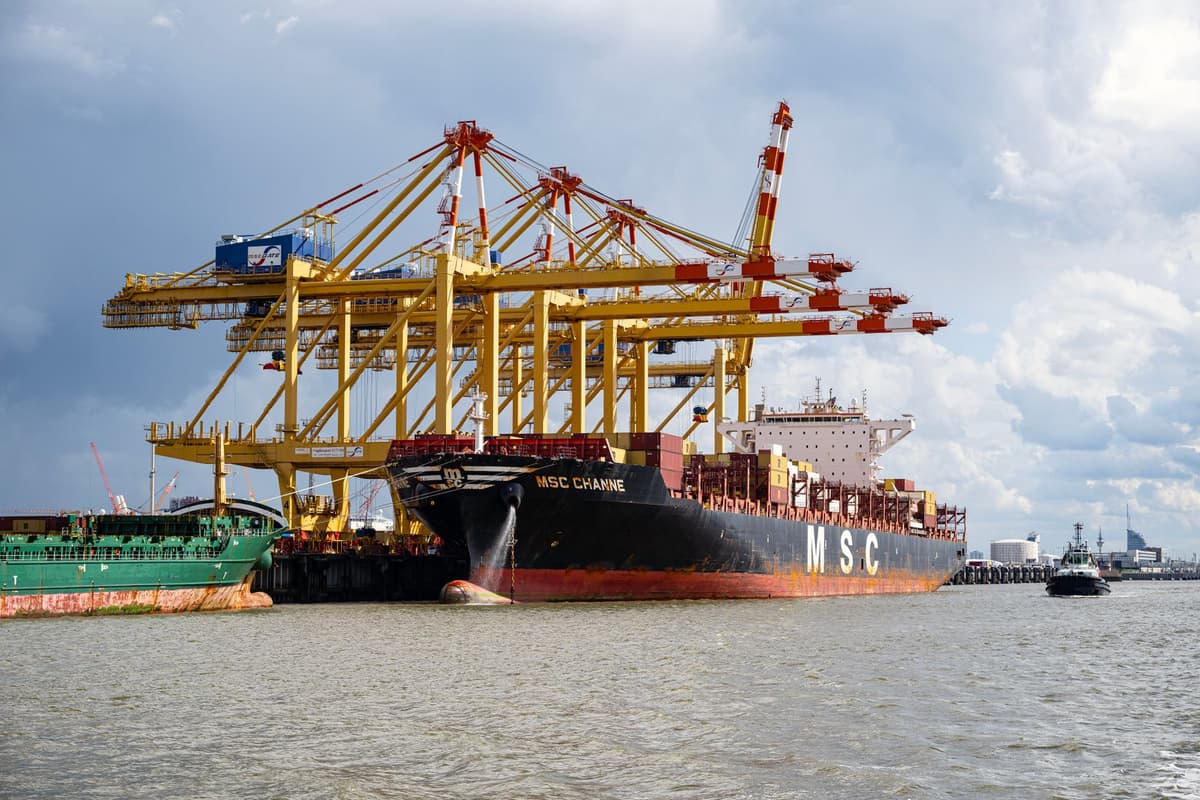
Photo by Georg Wietschorke on Pexels
This shift toward 'event-agnostic' infrastructure is the smartest thing to happen to urban planning since someone realized that putting lead in the paint was a bad call. By making the stadium bits removable, the city stays a city. You don't end up with a 'Stadium District' that feels like a post-apocalyptic movie set every Tuesday through Friday. You get a park, or a school, or a transit hub that just happens to wear a giant soccer jersey for a month every four years.
Why Permanence is for People Who Don't Pay Taxes
There is a specific kind of ego that demands a building last for a thousand years. Usually, that ego belongs to a guy named Ramses or a FIFA executive with a very shiny suit. But the 2026 World Cup is proving that 'temporary' isn't a dirty word; it's a financial escape hatch. When you build something permanent, you're married to it. When you build something modular, you're just dating it for the summer, and you’ve already checked if its parents have a lake house. It’s low-commitment excellence.
- No more $30 million grass-growing bills for stadiums that will never see a cleat again.
- No more 'Legacy Parks' that are actually just 40 acres of cracked asphalt.
- The ability to scale up for a final and scale down for a Tuesday night high school track meet without it feeling like you're throwing a birthday party in a cathedral.
If we can master the art of the high-end temporary structure, we can host anything anywhere. We could have a World Cup in the middle of the Nebraska cornfields and have the whole thing packed up and moved to a different dimension by harvest time. It’s the ultimate 'leave no trace' philosophy, applied to 50,000-ton steel structures. It’s beautiful. It’s chaotic. It probably involves a lot of very large Allen wrenches.
What This Actually Means
The 'Modular Legacy' isn't just about soccer; it’s a total vibe shift in how we think about cities. We’re moving away from the idea that a 'Great City' needs a collection of massive, static trophies. Instead, we’re realizing that a functional city is more like a Swiss Army knife—it changes shape based on what you need right now. Today it’s a world-class sporting venue; tomorrow it’s a public plaza with enough drainage to keep the local mall from turning into an aquarium.
This is the end of the 'Olympic Curse' where host cities spend a decade paying off a stadium that eventually becomes a very fancy place for moss to grow. By prioritizing civic utility over architectural vanity, we’re finally treating urban planning like a logic puzzle instead of a dick-measuring contest. It turns out that people don't actually want a 70,000-seat stadium in their backyard forever. They want a place to walk their dog, and maybe, once every few years, they want to watch a guy from Portugal fall down and pretend his leg exploded.
In the end, the 2026 World Cup will be remembered not for the buildings it left behind, but for the buildings it took away. We’re finally learning that the best way to host a party is to make sure you can clean up the mess and get your security deposit back the next morning. It’s smart, it’s efficient, and it’s about damn time.
Quick Answers
Are these temporary stadiums safe?
Yes, they are engineered to withstand the collective jumping of 60,000 people, which is more math than I’ve done in my entire life. They aren't held together by duct tape, though a little bit of industrial-strength velcro probably wouldn't hurt.
What happens to the 'pop-up' parts after the game?
They get disassembled and shipped to other projects, like smaller stadiums, schools, or perhaps the world’s most over-engineered backyard deck. It’s the ultimate form of 'reduce, reuse, recycle,' but on a scale that requires a fleet of cargo ships.
Does this mean tickets will be cheaper?
Absolutely not. FIFA still likes money more than you like your own children. You’re paying for the convenience of the stadium not being there in two years, which is apparently a premium service now.