The Illusion of a Green Game
FIFA’s requirement that all 48 teams play on natural grass across 16 venues is not a simple gardening request. It is a massive industrial directive that ignores the physical realities of modern stadium architecture. In cities like Atlanta, Dallas, and Houston, where multi-billion dollar stadiums were built specifically for artificial turf and climate-controlled domes, the logistics of importing, maintaining, and then discarding thousands of tons of living sod creates a carbon footprint that no amount of corporate offset-buying can erase.
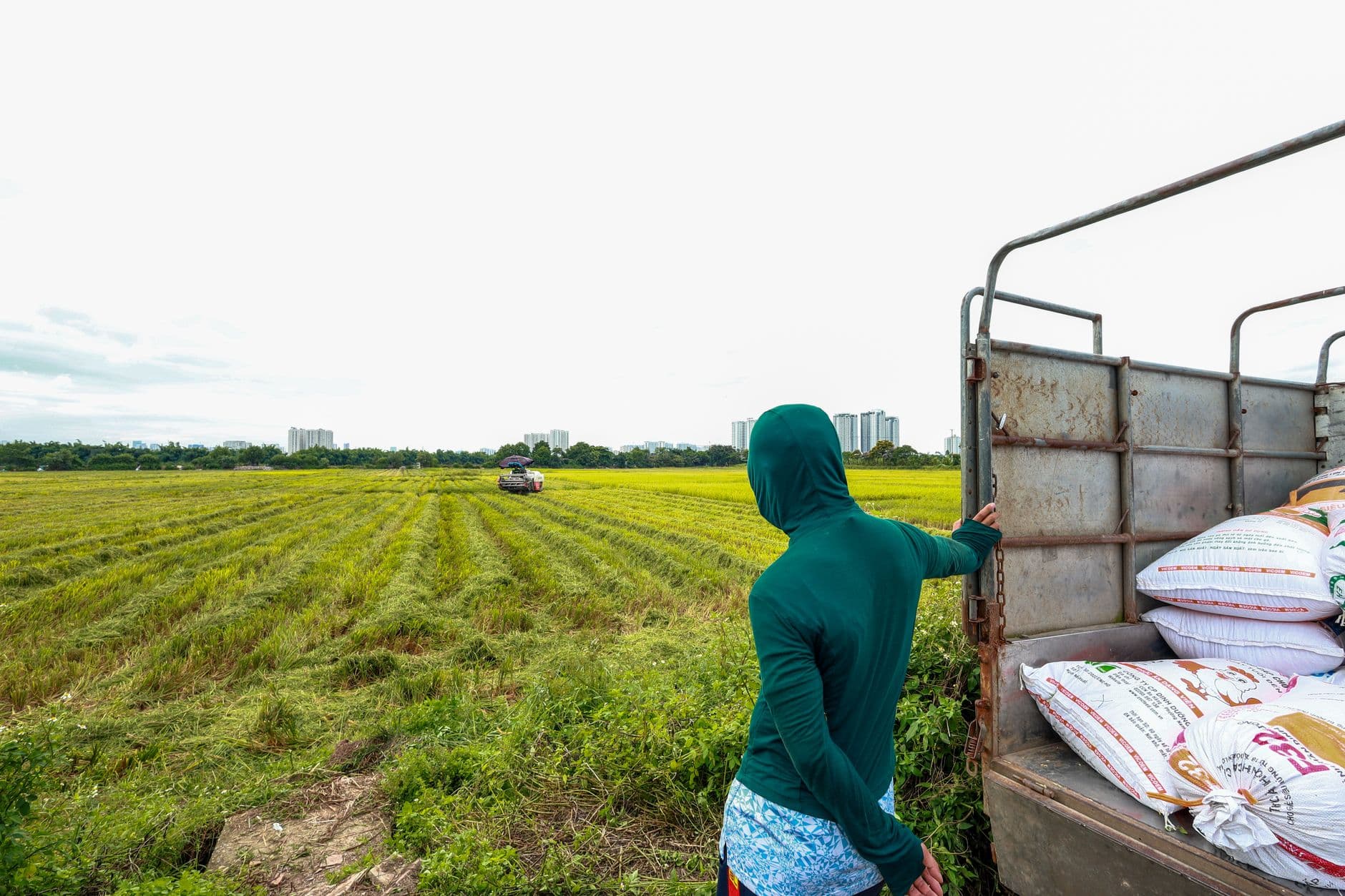
We are facing a scenario where grass is grown in massive nurseries, harvested, trucked hundreds of miles in refrigerated containers, and installed over concrete floors using temporary irrigation systems. This isn't environmentalism; it is high-stakes stagecraft. The energy required to keep cool-season grasses alive in a Texas summer inside a building designed to block out the sun is an engineering nightmare that the public is largely ignoring.
The Engineering of Temporary Ecologies
The technical challenge here is unprecedented in the history of sports. Natural turf requires three things that indoor stadiums are designed to mitigate: consistent UV light, high-volume air circulation, and deep drainage. To meet FIFA’s standards, engineers are developing "modular" pitch systems—thousands of individual trays of grass that fit together like a puzzle. This sounds efficient until you calculate the plastic, steel, and fuel required to manufacture and move these systems.
Consider the sheer mass involved. A standard soccer pitch covers approximately 75,000 square feet. When you account for the root zone, sand, and moisture, you are moving roughly 2,000 to 3,000 tons of material per stadium. Doing this across seven indoor venues in the United States requires a fleet of heavy-duty vehicles and a staggering amount of diesel.
- The energy consumption for specialized LED grow-light rigs, which must run 24/7 to compensate for the lack of natural sunlight, can exceed the daily power usage of a small town.
- Massive industrial fans must be installed to prevent fungal growth in stagnant, humid indoor air, adding another layer to the electrical demand.
- The water requirements for "portable" pitches are often higher than permanent ones because the shallow root systems in trays lose moisture rapidly and lack the natural cooling of the deep earth.
The Safety vs. Sustainability Paradox
There is a legitimate argument for natural grass that centers on athlete safety. Data consistently shows that high-quality natural turf reduces non-contact injuries, particularly ACL tears and Achilles ruptures, compared to older generations of artificial turf. For a tournament involving billion-dollar assets—the players—FIFA will not compromise on the playing surface. However, this creates a dangerous precedent where the "best" solution for the sport is the worst solution for the planet.

Photo by Tony Rojas on Pexels
By forcing natural grass into environments where it cannot naturally grow, we are admitting that our sports infrastructure has become decoupled from the local environment. We are building cathedrals of glass and steel that are fundamentally hostile to the very game they are meant to host. If a stadium cannot support a blade of grass without a massive life-support system of LEDs and HVAC units, perhaps the design itself is the failure we should be discussing.
This obsession with the "pristine" aesthetic also leads to chemical dependency. To ensure the grass looks perfect for the global broadcast, these temporary pitches are treated with aggressive fertilizers and fungicides. Because these systems are temporary and lack traditional drainage basins, the runoff from these chemicals often enters local sewage systems rather than being filtered through the earth, creating a localized environmental hazard in every host city.
The Waste Cycle of the World Cup
What happens when the final whistle blows? History suggests the answer is not encouraging. After the 2022 World Cup in Qatar, several pitches were simply discarded or repurposed in ways that didn't justify the initial energy investment. For 2026, the plan for most of these modular pitches is "recycling," but that often means composting the organic matter while the plastic trays and synthetic underlays head to a landfill.
The true cost of the 2026 World Cup won't be found in the ticket prices or the broadcast rights. It will be found in the thousands of tons of carbon emitted just to ensure that a ball rolls across a specific type of leaf for 90 minutes. We are prioritizing the optics of the "beautiful game" over the health of the world it inhabits.
What This Actually Means
The 2026 World Cup is a case study in the limits of sustainable branding. FIFA and the host nations will talk about LEED-certified buildings and plastic-free concessions, but they will remain silent on the industrial-scale life support required for the pitches. It is a reminder that in the world of global mega-events, the spectacle always takes precedence over the footprint.
If we are serious about the future of sports in a warming world, we have to stop designing stadiums that fight against nature. The move toward indoor, air-conditioned environments was a choice made for comfort and revenue, and the grass mandate is the bill for that choice coming due. We are literally trucking in nature because we built boxes that kept it out.
Ultimately, this is about more than just grass. It is about the honesty of our environmental commitments. If we can justify this level of waste for a tournament, it suggests we aren't yet ready to make the hard sacrifices required to actually lower our collective impact. The 2026 pitches will be green, but they won't be sustainable.
Quick Answers
Why can't they just use the existing turf?
FIFA regulations strictly require natural grass for the World Cup to ensure consistent ball physics and minimize player injury risks, which artificial surfaces cannot yet perfectly replicate.
Is the grass reused after the tournament?
While some sod may be moved to local parks, the specialized nature of these modular systems and the stress of the tournament often make high-quality relocation difficult and expensive.
How much carbon does this actually add?
While exact totals aren't public yet, the combination of refrigerated transport, 24/7 industrial grow lights, and the manufacturing of modular trays adds thousands of metric tons of CO2 per venue.