The Math of the Hungry Fan
I’ve been staring at the projected visitor counts for the 2026 World Cup and the numbers feel like a typo. We are looking at roughly 6 million fans descending upon 16 cities across three countries. In a city like Kansas City or Monterrey, that isn't just a busy weekend; it’s a demographic tidal wave that could theoretically strip every grocery shelf bare within 48 hours if we rely on the way we’ve always moved food. I find myself wondering if we are witnessing the end of the 'neighborhood bistro' as the primary unit of urban feeding and the birth of something much weirder.
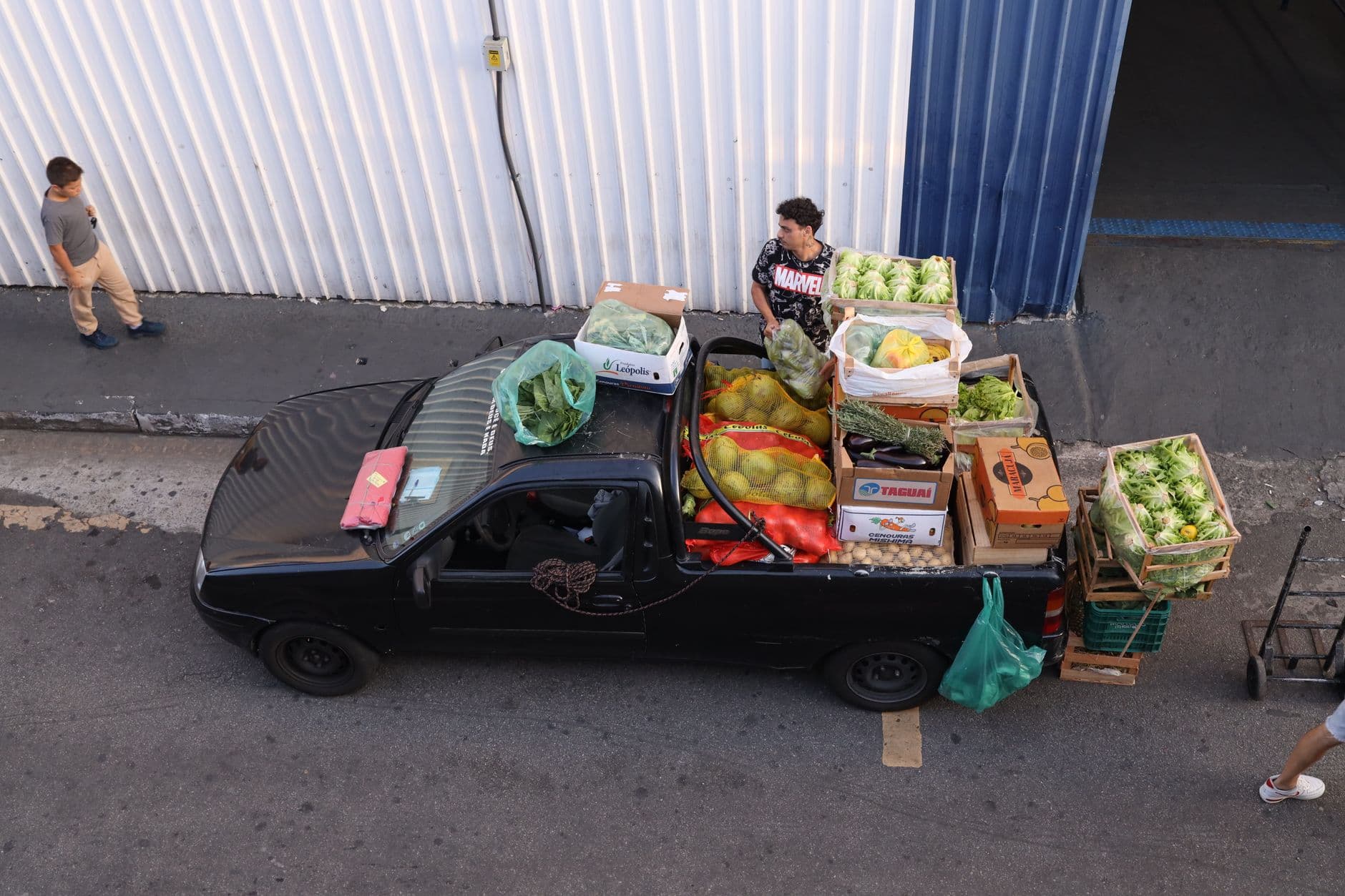
Traditional infrastructure is rigid. A kitchen has a fixed number of burners, a set amount of fridge space, and a delivery radius that ends at the next zip code. When 150,000 extra people show up in Seattle for a single match day, that rigidity breaks. To keep the local supply chain from collapsing—where a resident can’t buy a gallon of milk because a stadium contractor bought 4,000 of them—the organizers and food tech giants are pivoting toward what they call 'aggregated appetite' infrastructure. It sounds like sci-fi, but it’s actually just extreme logistics.
The Rise of the Modular Hub
What if a restaurant didn't have to be a building? I’m fascinated by the prototype 'mobile ghost-kitchen hubs' currently being mapped for 2026. These aren't food trucks. They are shipping-container-sized modular units equipped with high-throughput robotics, dropped into parking lots by cranes, and connected to the grid like a Lego set. They exist for three weeks, serve 50,000 identical smashburgers or bowls of ramen, and then vanish. It makes me wonder: if we can summon a high-end kitchen out of thin air for a soccer match, why would we ever go back to the high-rent, high-risk model of a brick-and-mortar cafe?
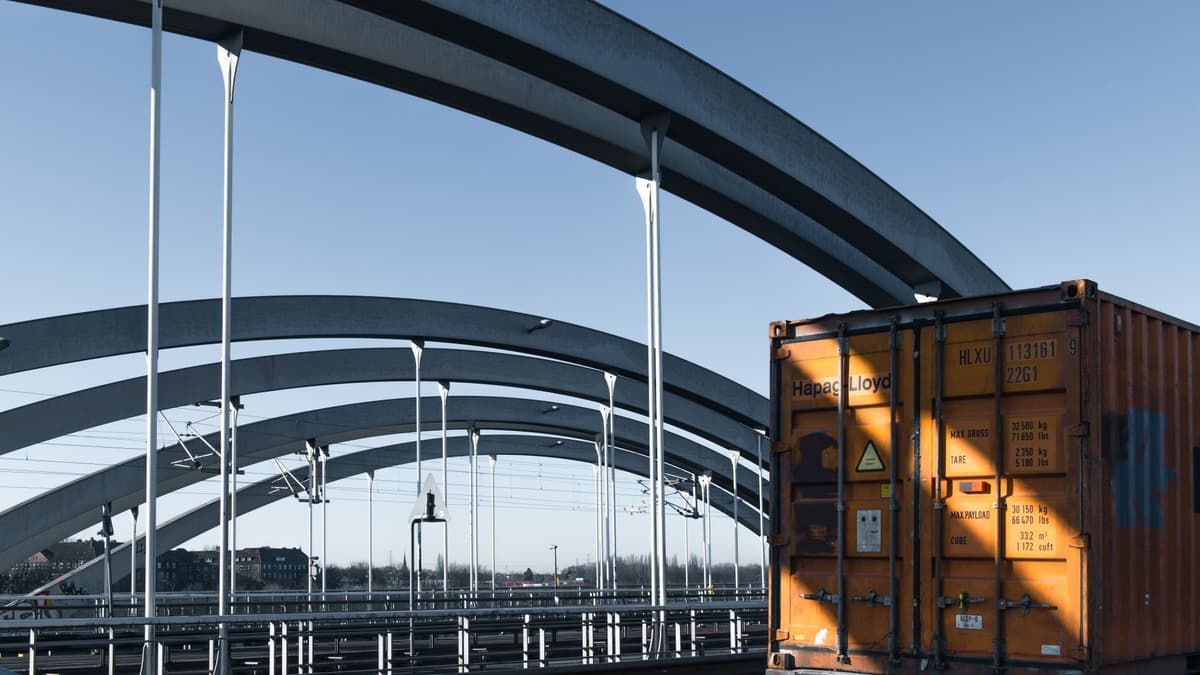
Photo by Wolfgang Weiser on Pexels
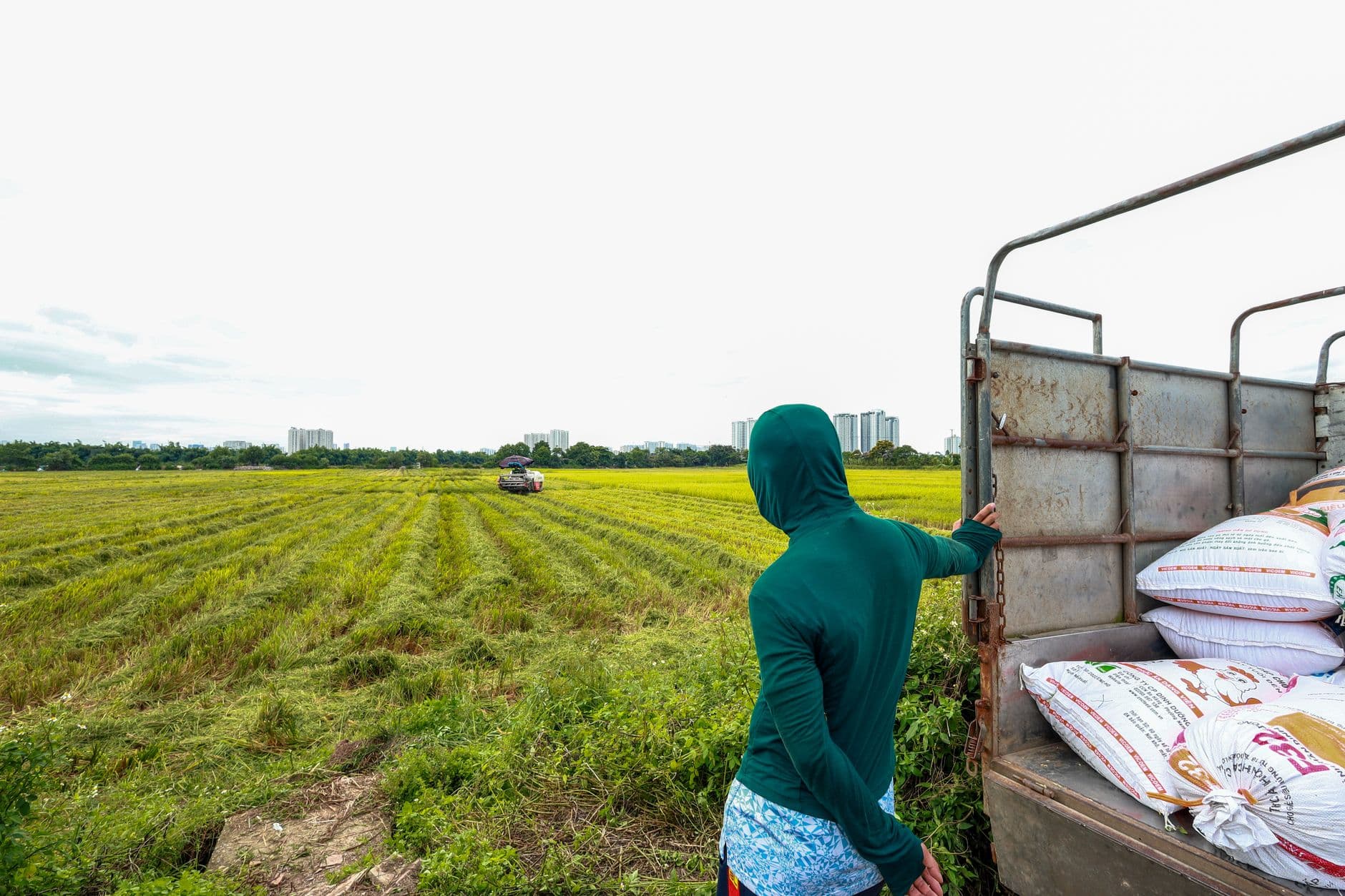
This isn't just about the cooking; it's about the 'elastic' agriculture behind it. To feed this many people without causing price spikes, suppliers are using predictive AI to tell farmers exactly when to plant specific crops so they hit peak harvest precisely during the tournament window. We are essentially syncing the biological clock of a tomato in Mexico with the kickoff time in Philadelphia. It’s a level of synchronization that feels both impressive and slightly unsettling. Are we turning the earth into one big vending machine?
The AI in the Pantry
There is a specific kind of magic—or maybe it's just math—in how these systems anticipate what we want before we know we want it. By analyzing ticket sales, historical fan behavior, and even local weather forecasts, these 'elastic' supply chains adjust their inventory in real-time. If a specific match is trending toward a high-energy crowd from a specific region, the ghost kitchens shift their entire supply chain toward those specific flavor profiles 72 hours in advance. It’s food as a software update.
I’m curious about the human element here. When the kitchen is a modular box and the menu is dictated by a predictive algorithm based on crowd sentiment, what happens to the 'chef'? We might be moving toward a world where food service is less about culinary art and more about managing a high-flow data stream. It’s efficient, sure. It prevents the local supply chain from breaking. But I can't help but ask if something is lost when the meal is perfectly optimized for a transient crowd that will be gone by Tuesday.
What This Actually Means
This experiment in 2026 is likely a dress rehearsal for how we will feed ourselves in a climate-unstable future. If we can master the ability to drop food infrastructure into a high-demand zone and pull it back out without leaving a trace, we’ve solved a major hurdle for disaster relief and urban sprawl. The 'Ghost Kitchen World Cup' isn't just about feeding fans; it's a massive, multi-billion dollar proof of concept for a world where food follows people, rather than people seeking out food.
We are moving toward a reality where the physical restaurant is a luxury 'boutique' experience, while the bulk of our calories are managed by invisible, modular, and highly intelligent systems. It’s a shift from 'place' to 'process.' I’m not sure if I love the idea of a world where my lunch is a logistical calculation, but I can’t deny that watching a system this complex try to feed 6 million people at once is absolutely mesmerizing.
Ultimately, the legacy of 2026 won't be the trophies or the goals. It will be the invisible plumbing—the sensors in the soil, the robots in the shipping containers, and the algorithms in the cloud—that proved we could feed a small nation’s worth of people on the fly. We are building a world that is more flexible, but perhaps a little more hollow. I'll be curious to see if we can taste the difference.
Quick Answers
Will the World Cup cause food shortages for locals?
Probably not, because the 'elastic' supply chain is designed to bypass local grocery stocks by shipping in dedicated, modular inventory specifically for the event surge.
What is a 'ghost kitchen' in this context?
It’s a professional food preparation facility that has no dining room or walk-up service, focused entirely on high-volume delivery or stadium distribution.
How does AI help feed people?
It predicts demand spikes based on ticket data and weather, allowing suppliers to adjust harvests and shipping schedules so food doesn't rot or run out.