The Most Expensive Group Project in Human History
Imagine you and two of your neighbors decided to host a massive barbecue. One neighbor has the biggest grill on the planet but a slightly terrifying home security system that shoots drones at squirrels. The other neighbor is super chill but keeps all the good snacks in the basement. The third neighbor has the best music and the most heart, but the first neighbor keeps trying to build a literal fence through the middle of the patio. Now imagine that to make this barbecue work, you all decide to link your ring cameras, bank accounts, and DNA records into a single shared database managed by a guy named 'FIFA' who definitely wears a villainous turtleneck.
That is the 2026 World Cup. We are looking at 48 teams, 16 cities, and a logistical footprint so large it makes the D-Day invasion look like a poorly planned brunch. Because FIFA expanded the tournament to satisfy their insatiable hunger for broadcast revenue, the US, Canada, and Mexico have decided that the only way to keep everyone safe is to basically stop being three separate countries for a month. We aren’t just sharing a trophy; we’re sharing every license plate reader from Guadalajara to Goose Bay.
This isn't just about making sure nobody brings a flare into the stadium. This is the 'Sovereignty-as-a-Service' model, where the three nations are duct-taping their intelligence agencies together to create a North American Security Perimeter. It’s like a digital version of those friendship necklaces where the hearts snap together, except the heart is made of biometric facial recognition software and the necklace is made of barbed wire.
Data Sharing Is Caring (And Slightly Terrifying)
In the old days, if a suspicious guy wanted to travel from Mexico City to Vancouver to watch a match, he’d have to deal with three different sets of grumpy border agents. Now, thanks to the 2026 integration, his face will be pinging off servers in Maryland before he even finishes packing his suitcase. The 'Joint-Bid' architecture is turning the entire continent into one giant, high-definition panopticon. If you sneeze in a stadium in Monterrey, a computer in Arlington will probably suggest a brand of antihistamine based on your browser history.
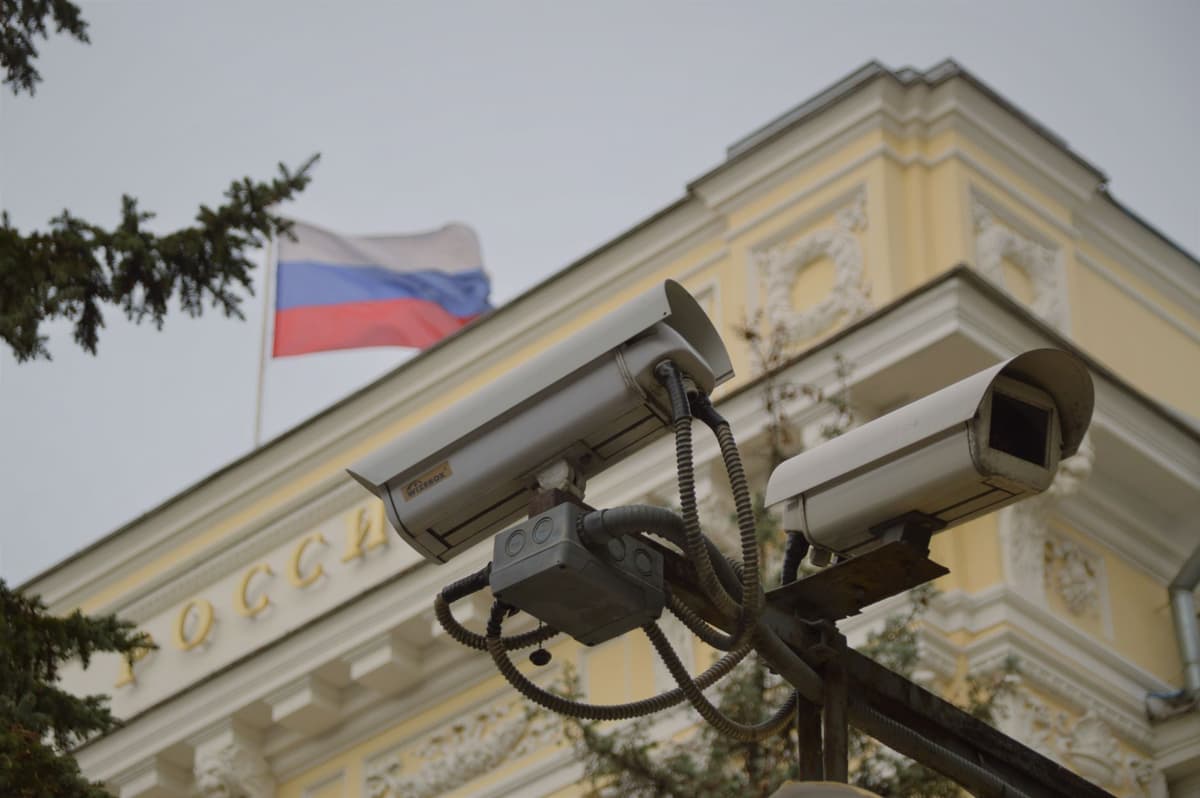
Photo by Спиридон Варфаламеев on Pexels
The sheer scale is hilarious when you realize it’s all for a sport where the main drama involves a man named Neymar rolling across the grass like a tumbleweed in a gentle breeze. We are building a permanent, tri-national paramilitary coordination framework—essentially a 'North American NATO' but for catching pickpockets and people smuggling unauthorized Gatorade—just so we can facilitate 104 matches. That’s roughly $100 million in surveillance tech for every goal scored by a substitute striker from a country you couldn't find on a map.
What’s even funnier is the idea that this is 'temporary.' Governments love temporary powers the way toddlers love sugar; they never, ever want to let them go. Once you’ve spent billions of dollars syncing up the FBI, the RCMP, and the Mexican National Guard so they can see the same real-time satellite feed of a parking lot in Kansas City, you don't just hit 'delete' after the trophy is handed out. You keep it. You keep it forever. It’s the houseguest that arrives for a weekend and ends up claiming your spare bedroom as a sovereign territory.
The Perimeter Is the New Vibe
By the time the final whistle blows at MetLife Stadium, the borders between our three countries will be less like walls and more like those beaded curtains in a 70s dorm room. Sure, the curtains are there, but the air—and the data—is flowing freely. We are witnessing the birth of a 'Security Fortress North America,' wrapped in the festive branding of a soccer tournament. It’s a bit like getting a colonoscopy and the doctor telling you, 'Hey, while I’m in here, I also installed a smart-home hub and a subscription to a private militia.'
This isn't just about preventing 'the bad guys' from doing 'the bad things.' It’s about the administrative convenience of total visibility. When the World Cup ends, the infrastructure remains. The facial recognition at the stadium gates will just migrate to the airport, then the mall, then the local Starbucks. We are trading the illusion of separate borders for the reality of a unified surveillance zone, all because we couldn't figure out how to host a 48-team tournament without knowing exactly where every single person on the continent is at 3:00 PM on a Tuesday.
I can’t wait for the 2030 World Cup, which will presumably be hosted by the Moon, Mars, and a sentient AI cloud, requiring us to upload our consciousness to a central server just to buy a ticket to the semi-finals. At least the jerseys will look cool while the drones scan our retinas for signs of unauthorized joy.
What This Actually Means
The 2026 World Cup is the ultimate 'Trojan Horse' for regional integration. While we’re all arguing about whether the US Men’s National Team can actually win a knockout game (spoiler: probably not), the bureaucrats are busy building a permanent data-sharing pipeline that effectively erases digital sovereignty between the three host nations. It is the most successful 'pivot' in geopolitical history—rebranding mass surveillance as 'tournament logistics' so nobody complains until it’s too late to unplug the servers.
This 'Sovereignty-as-a-Service' shift means that in the future, 'North America' won't just be a geographical term; it’ll be a single, unified security product managed by a consortium of intelligence agencies. We are paying for the privilege of being watched by three governments at once. On the bright side, at least if you lose your keys in Seattle, there’s a decent chance a guy in Mexico City saw where you dropped them on a thermal imaging feed.
Ultimately, we’re getting exactly what we asked for. We wanted a massive, continent-spanning party, and we’re getting it—complete with a bouncer who knows your blood type and your mother's maiden name. Enjoy the games, everyone. Just remember to smile for the cameras. All of them. Simultaneously.
Quick Answers
Is the security really going to be that intense?
Yes. Imagine the TSA, but with three times the budget and a mandate to cover 9.5 million square miles of territory using satellites and AI.
Will this make crossing the border easier after 2026?
Technically yes, because the three countries will already know everything about you, making the actual physical check a mere formality before they let you into the 'Unified Zone.'
Can we opt out of the surveillance?
Only if you plan on watching the World Cup from a hand-dug bunker in the middle of the Yukon with a tinfoil hat and zero internet connection.