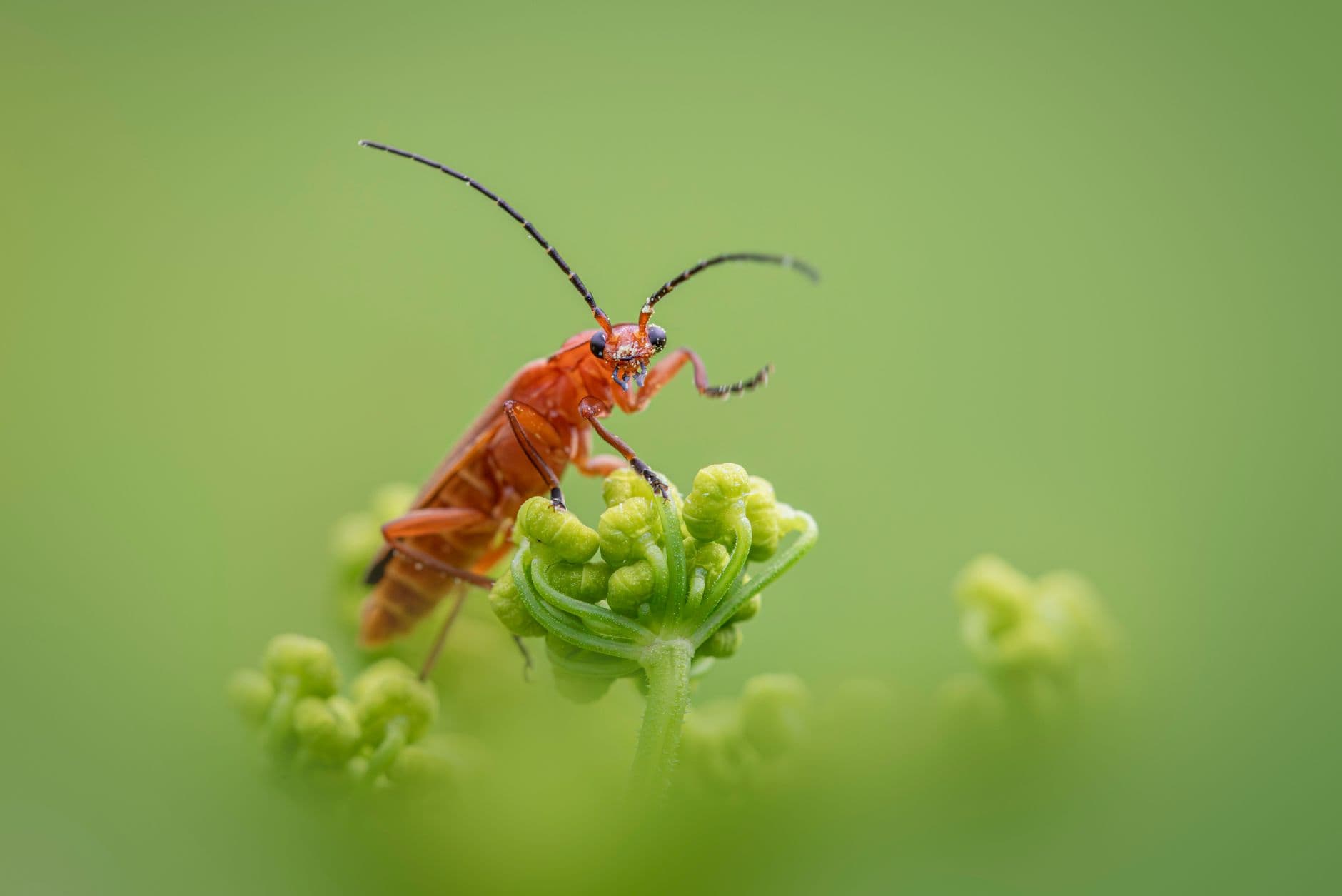
The Precision of a Biological Sniper
I’ve spent the morning trying to wrap my head around the sheer mechanical improbability of this. We are talking about a peptide derived from the venom of an Australian funnel-web spider that can tell the difference between two creatures that, to any casual observer, look like they belong in the same horror movie. On one side, you have the honeybee, our golden child of pollination. On the other, the Varroa destructor mite, a literal vampire that latches onto bees and sucks their life force. For decades, our only solution was to douse hives in chemicals that were essentially the biological equivalent of a sledgehammer—killing the mite, sure, but often leaving the bee dazed, weakened, or dead.
Now, scientists have isolated a specific toxin called Hv1a. It’s a tiny protein string that targets calcium channels in the nervous system. But here is the part that feels like science fiction: it only fits into the mite’s receptors. It’s a key that only turns one lock. When a bee encounters it, the molecule simply bounces off, unable to find a grip. How does nature evolve a poison so specific that it respects a taxonomic boundary we can barely see? I’m fascinated by the idea that the most lethal substances on earth might actually be our most delicate tools if we just learn how to filter the signal from the noise.
Evolution’s Billion-Year Head Start
We often think of innovation as something that happens in labs with glass walls and white coats, but this breakthrough is really just a very sophisticated form of plagiarism. Spiders have been perfecting neurochemistry for roughly 300 million years. They have been running the world's most high-stakes R&D department, where the cost of a failed experiment is starvation. Their venom isn't just "acid" or "poison"; it’s a complex cocktail of hundreds of different peptides, each designed to do a very specific job to a very specific type of prey.
- The funnel-web spider produces toxins that can paralyze a beetle but leave a bird unharmed.
- Some venoms target only the cardiovascular system, while others go straight for the synaptic gap.
- We are finally moving away from the era of "poisoning the well" and into the era of molecular architecture.
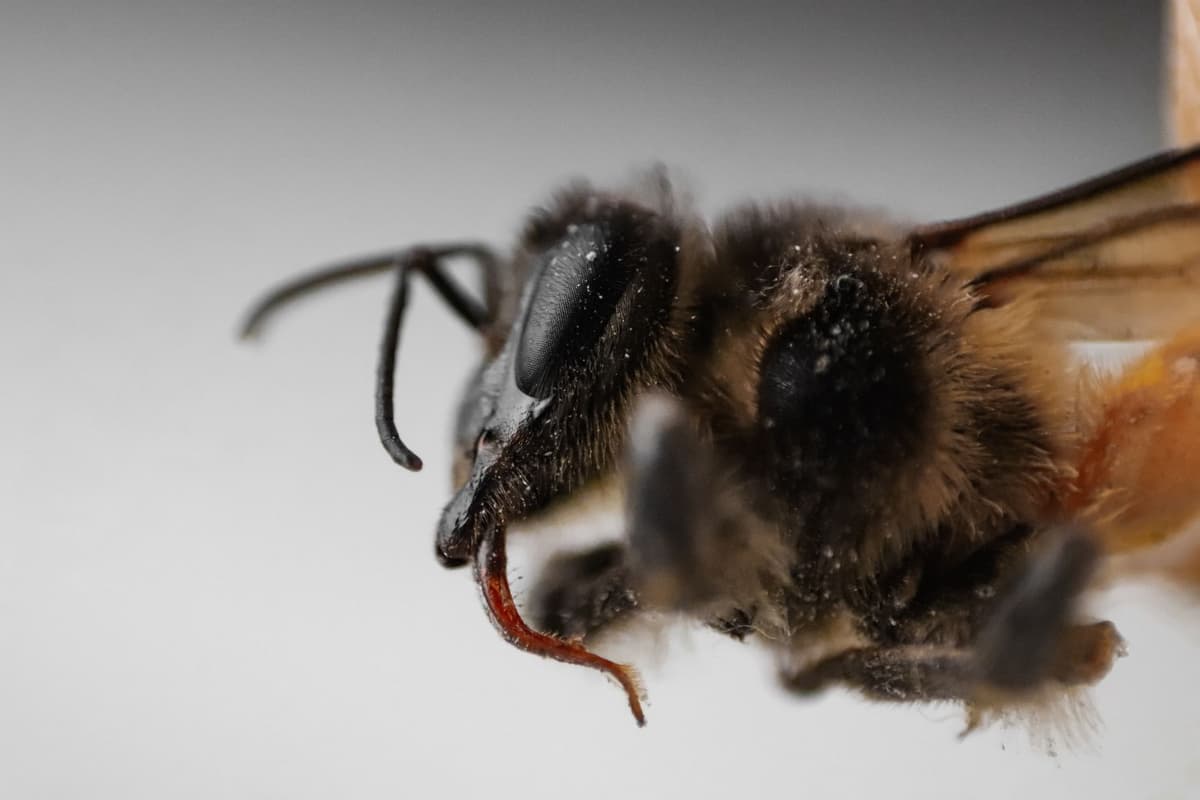
Photo by Simon Reza on Pexels
What else is sitting in the venom of a cone snail or a forest scorpion that we’ve dismissed as merely "deadly"? If we can find a peptide that ignores a bee but kills a mite, what’s to stop us from finding one that ignores a healthy human neuron but shuts down a glioblastoma cell? We are essentially looking at a massive, untapped library of biological software, and we’ve only just learned how to read the first few lines of code.
The End of Collateral Damage
The implications for agriculture are staggering, but it’s the shift in philosophy that really gets me. For the last century, our approach to pests has been scorched earth. We created neonicotinoids that cleared the fields of pests but also wiped out the butterflies and poisoned the soil. It was a trade-off we accepted because we didn't think there was another way. This spider-venom breakthrough suggests that "pesticide" doesn't have to be a dirty word if the pesticide has a high enough IQ.
This isn't just about bees. It’s about the possibility of "surgical" interventions in any ecosystem. Imagine a world where we can remove an invasive species from a lake without hurting the native fish, or stop a specific fungus from destroying wheat without killing the beneficial microbes in the dirt. We are moving from the age of the broadsword to the age of the needle. It makes me wonder if our descendants will look back at our current chemicals the same way we look at Victorian doctors who prescribed mercury for a headache.
What This Actually Means
This isn't just a win for the honeybees; it's a proof of concept for a new way of interacting with the natural world. By utilizing "selective neurotoxicity," we are acknowledging that the differences between species are as important as their similarities. We’re finally stopped trying to overpower nature and started trying to speak its language—even if that language is written in the venom of a spider.
There is something deeply poetic about the fact that the very thing that makes us shudder—a spider's bite—might be the key to securing our global food supply. It’s a reminder that there is no such thing as a "bad" molecule, only a molecule in the wrong place. If we keep looking, we might find that the cures for our most pressing problems are already existing in the wild, waiting for us to be smart enough to recognize them.
I find myself wondering what other "scary" things are actually hidden treasures. We spend so much time trying to insulate ourselves from the wild, yet the wild keeps providing the blueprints for our survival. Maybe the next great medical breakthrough isn't a new synthetic chemical, but a deep-sea toxin we haven't even discovered yet.
Quick Answers
Is the spider venom dangerous to humans?
No, the specific peptides used are engineered to target arthropod nervous systems, meaning they have no effect on mammalian physiology. You could theoretically eat the stuff, though I wouldn't recommend it as a snack.
Will the mites eventually become resistant to this?
It’s possible, as evolution is an arms race, but because these peptides target fundamental nervous system architecture rather than metabolic pathways, resistance is much harder to develop than with traditional chemicals.
When will this be available for commercial use?
Field trials have been ongoing since 2023, and several biotech firms are currently scaling production to bring these biopesticides to the global market within the next few years.