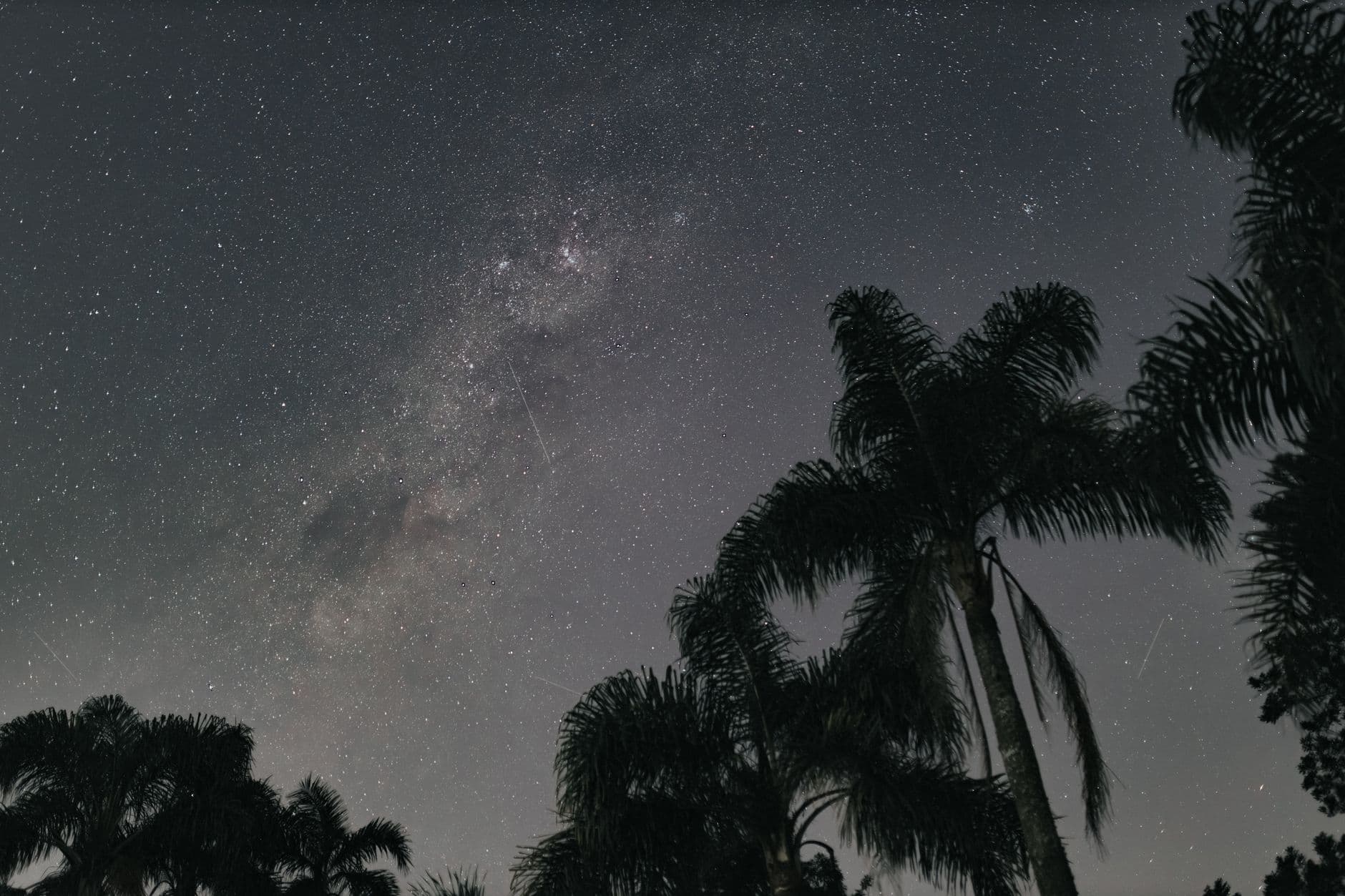
I tried to look at the Andromeda galaxy last week and instead got a face full of broadband delivery vessels. There is a specific kind of quiet tragedy in realizing that the ancient, starlit path of human curiosity has been replaced by a cosmic optical illusion that looks suspiciously like a train of glowing space-trash. We currently have over 10,000 active satellites buzzing around our heads, with plans to push that number past 42,000 in the near future.
If you look at any live satellite tracker today, the Earth looks less like a blue marble and more like a dog that desperately needs a flea bath. We have surrounded our planet with a permanent, high-speed glitter bomb of metal hulls and solar panels.
The Celestial Highway Patrol is Understaffed
Imagine trying to appreciate a classic silent film while someone in the row in front of you keeps waving a glowing flashlight to find their dropped popcorn. That is the current state of terrestrial astronomy. For centuries, we built giant mirrors on top of mountains because we wanted to escape the soup of Earth’s atmosphere. Now, we have escaped the soup only to find ourselves trapped in a swarm of metallic mosquitoes.
Astronomers are not just annoyed; they are losing their minds. A research image that used to take six hours of patient exposure now looks like a toddler went wild with a white crayon across a black construction paper background.
Photo by Julia Barrantes on Pexels
To fix this, scientists are forced to use "AI-denoising" software. This is a polite, academic term for "using Photoshop to guess what was behind Elon’s internet constellation." We are essentially reconstructing the history of the universe using the same technology that removes photobombing tourists from your vacation selfies. What could possibly go wrong with letting an algorithm decide which smudge is a newborn star and which is a discarded booster bracket?
Moving the Science to the Dark Side of the Moon
The proposed solutions to this orbital traffic jam are getting delightfully absurd. Since our ground telescopes are now pointing through a permanent disco ball, scientists are seriously discussing building observatories on the far side of the Moon.
- We have to build a giant rocket.
- We must fly it 240,000 miles away.
- We have to land delicate glass mirrors in a vacuum.
- We must do all of this just because we couldn't stop ourselves from scrolling social media at slightly higher speeds while camping in the wilderness.
It is the ultimate cosmic eviction notice. Humanity has successfully gentrified low Earth orbit to the point where the scientists are being forced to pack up their things and move into a sketchy neighborhood with no atmosphere and extreme temperature swings.
We are also pivoting hard to radio astronomy. Instead of looking at the sky, we are listening to it. Because nothing says "the beauty of the cosmos" quite like translating the birth of a supernova into a series of static hums that sound like a dial-up modem from 1998. We have traded the majestic pillars of creation for a very expensive cosmic baby monitor.
The Space Junk Yard Sale of 2030
The sheer volume of stuff up there is staggering. There are currently about 30,000 trackable objects orbiting Earth, and that doesn't count the millions of tiny flecks of paint and frozen coolant traveling at 17,500 miles per hour. A single stray bolt at that speed has the kinetic energy of a safe falling out of a third-story window.
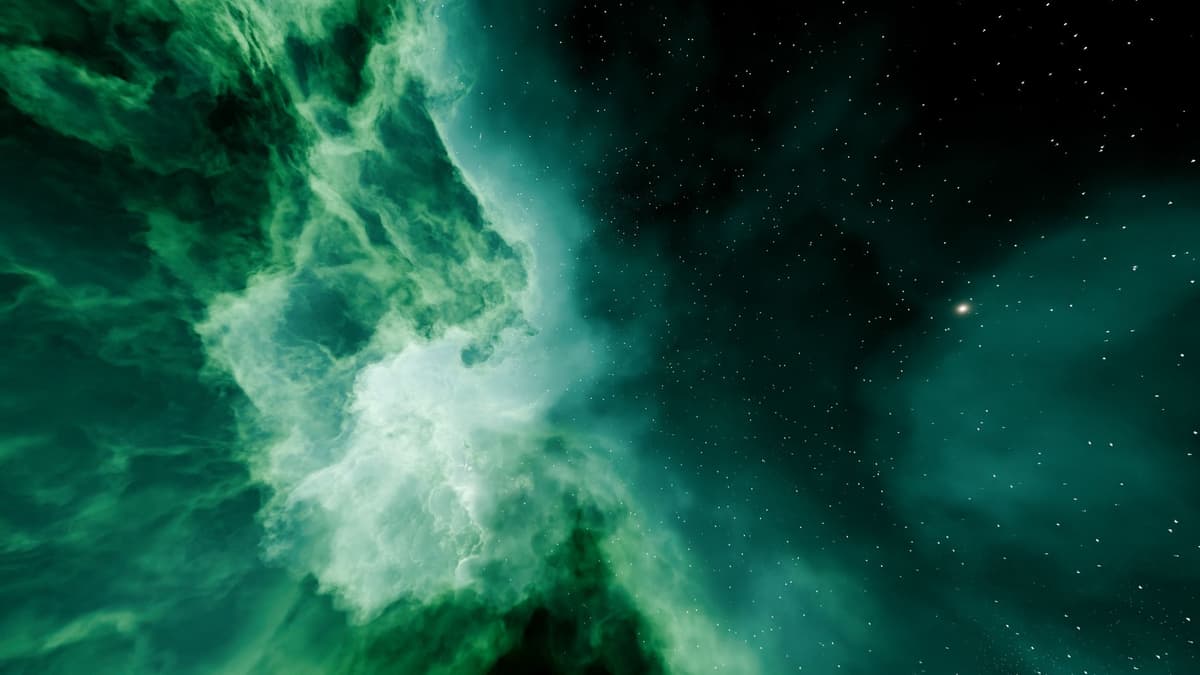
Photo by Marek Pavlík on Pexels
We are one bad fender-bender away from the Kessler syndrome, a theoretical cascade where colliding satellites create a cloud of debris that destroys other satellites, eventually trapping us on Earth under a shield of lethal, high-speed garbage. We would be locked inside our own house because we threw too many empty soda cans onto the front lawn.
If that happens, the night sky won't just be ruined for telescopes; it will be closed for business entirely. No satellites, no space travel, just us, sitting in the dark, wondering what the stars used to look like before they started broadcasting targeted ads.
What This Actually Means
We are witnessing the death of the sky as a shared human heritage. For the entirety of human history, looking up was free, quiet, and identical for everyone. It was the only canvas we couldn't plaster with billboards. Now, the night sky is becoming a private toll road, and the toll is paid in the currency of scientific progress.
This isn't about being anti-technology. Having global internet coverage is great, especially for emergency services and remote education. But we are doing this with the same planning and foresight of a group of teenagers deciding to build a ramp over a swimming pool using a rotting piece of plywood.
Ultimately, we will adapt. We will build our moon bases, we will train our AI to scrub out the digital noise, and we will find new ways to peer into the deep dark. But we should at least admit that it is incredibly embarrassing that we had to move our most advanced scientific instruments to another celestial body just because we couldn't stop looking at videos of cats on our phones.
Quick Answers
Can't astronomers just filter out the satellites?
Yes, but it is like trying to listen to a violin solo while a car alarm is going off next door; you can filter it out in your head, but the experience is ruined and you miss the quiet parts.
Why don't they just make satellites black so they don't reflect light?
SpaceX actually tried this with a coating called "DarkSat," but it made the satellites absorb too much heat and cook themselves, proving once again that space is very hard and physics doesn't care about your branding guidelines.
Will we really build telescopes on the Moon?
Yes, plans are already underway for the Lunar Crater Radio Telescope, which will turn an entire crater on the far side of the moon into a giant ear to escape our own digital noise.