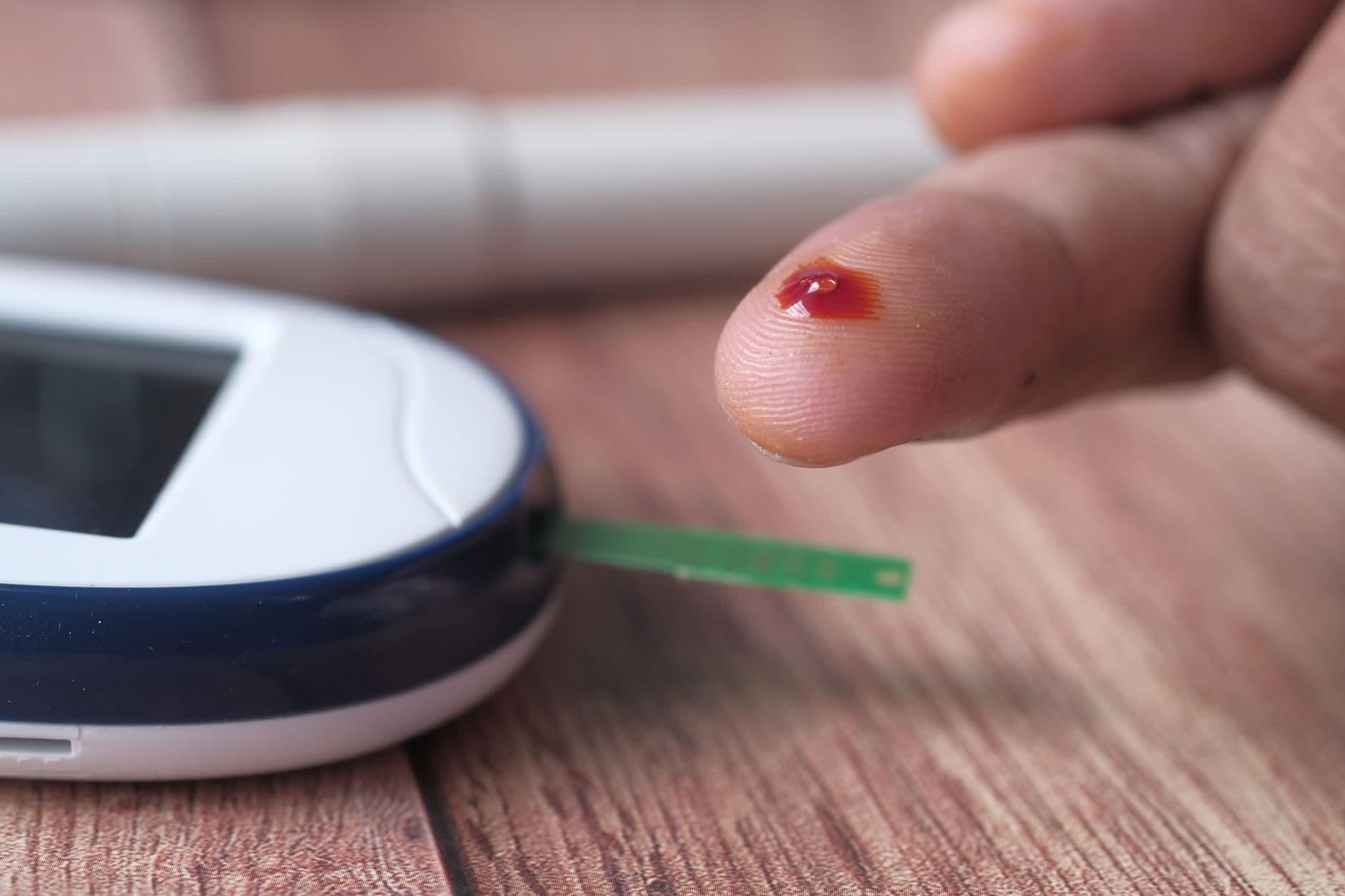
We have reached a grim milestone in the monetization of human biology. Samsung recently updated the terms of service for its Health app, presenting users with a stark choice: agree to let an algorithm train on your intimate dietary, metabolic, and sleep data, or watch years of your personal health history get deleted. This is not a standard update. It is a hostile architecture designed to exploit our deepest anxieties about wellness, effectively holding our own biological records hostage to fuel corporate machine learning models.
This behavior goes far beyond the usual terms-of-service fatigue we have been conditioned to accept. It establishes a predatory precedent where the future of personalized nutrition and preventative health is gatekept behind a wall of forced data-mining. If you want to understand how your body reacts to certain foods, or track your glucose trends over time, you must first surrender the rights to that digital exhaust. Your health data is no longer a tool for your own self-improvement; it is raw material for a proprietary corporate asset.
The New Enclosure Movement of Biological Data
Historically, the promise of precision nutrition was democratic. The combination of wearable sensors, continuous glucose monitors, and smart tracking apps was supposed to liberate us from generic dietary guidelines, allowing individuals to discover what actually works for their unique biology. Instead, we are witnessing a corporate enclosure of this data commons. By threatening to wipe out historical records, Samsung is artificially creating a high switching cost for users who value their privacy.
Consider what is actually lost when a user opts out of this system. A dedicated user might lose five years of precise carbohydrate intake, corresponding heart rate variability metrics, and sleep architecture logs. This longitudinal data is irreplaceable. It is a digital map of a human body's behavior over time. Forcing a user to choose between losing this personal archive or consenting to have their most intimate metabolic struggles analyzed by corporate AI is a form of biometric blackmail.
This tactic relies on a profound power asymmetry. The individual has spent years investing time, effort, and money into building a personal health profile. Samsung, a corporation that generated over $200 billion in revenue last year, faces zero marginal cost in deleting that profile, but gains immense value if the user capitulates. It is a highly calculated leverage play.
The Extraction of the Intimate
What makes this transition particularly insidious is the nature of the data being targeted. This is not search history or location data, which are already highly invasive. This is metabolic data. It is the direct record of how your body processes fuel, how your endocrine system responds to stress, and what you eat every day.
Photo by Ryan Grice on Pexels
Dietary habits are deeply personal, tied to culture, socioeconomic status, and medical vulnerabilities. When an AI trains on this data, it is not just learning abstract patterns; it is learning how to predict, nudge, and potentially manipulate human consumption habits. The long-term commercial applications of this training are obvious and highly lucrative. Insurance companies, pharmaceutical giants, and ultra-processed food conglomerates would pay handsomely for the predictive insights generated by these models.
By forcing consent, Samsung bypasses the ethical frameworks that have historically governed medical research. In a clinical trial, participants must give informed, uncoerced consent, and they retain the right to withdraw at any time without penalty. In the consumer tech ecosystem, those protections are dismantled. The corporation acts as both the researcher and the landlord, threatening eviction if you refuse to participate in the experiment.
The Illusion of Opt-In Culture
For years, tech defenders have argued that consumers willingly trade privacy for convenience. This 'pay-with-privacy' model was always ethically dubious, but this latest move strips away even the illusion of choice. When the alternative to consent is the active destruction of your personal property—which is what years of self-tracked health data represents—the term 'opt-in' becomes a corporate fiction.
- Forced Consent: Users are not choosing a premium feature; they are defending their existing data from deletion.
- Data Monopolization: By locking down historical data, platforms prevent users from easily exporting their health history to more privacy-respecting alternatives.
- Asymmetric Risk: If a user complies, they risk data leaks and predatory targeting; if they refuse, they lose their medical history.
This strategy relies on the fact that health data is cumulative. The longer you track, the more valuable the tool becomes to you, and the more leverage the platform holds over your decisions. It is a trap that closes slowly over years, springing only when the platform decides it is time to monetize the reservoir of data it has enticed you to build.
What This Actually Means
If we accept this compromise, we are conceding that our biological data does not belong to us. We are accepting a future where precision nutrition is a luxury reserved only for those willing to be constantly surveilled and analyzed. The economic divide will widen: those who can afford expensive, private, off-grid medical care will keep their data, while the rest of the population will have to trade their biological sovereignty for basic health insights.
This is a regulatory failure of the highest order. Existing frameworks like HIPAA do not protect consumer-generated health data tracked on commercial apps, leaving a massive legal vacuum that companies like Samsung are eager to exploit. Until we establish that personal health data is an inalienable right—one that cannot be held hostage, deleted out of spite, or leveraged for corporate training without genuine, ongoing, and unpenalized consent—we will continue to be products in our own bodies.
We must refuse to normalize this extraction. If a platform threatens to destroy your history because you demand privacy, it is not a wellness partner. It is a digital landlord demanding a tax on your physical existence.
Quick Answers
Why is Samsung threatening to delete health data?
Samsung is updating its terms to require user data for AI training. If users do not agree to these new terms, the company will no longer support their accounts, resulting in the deletion of their historical health and nutrition logs.
Is consumer health data protected by medical privacy laws?
No. In the United States, HIPAA only applies to traditional healthcare providers and insurers. Consumer wellness apps, smartwatches, and fitness trackers operate outside these regulations, leaving users with very few legal protections.
Can users export their data before it gets deleted?
While some export options exist, they are often difficult to navigate and do not easily integrate into competing platforms. This friction is designed to make leaving the ecosystem as difficult and painful as possible.