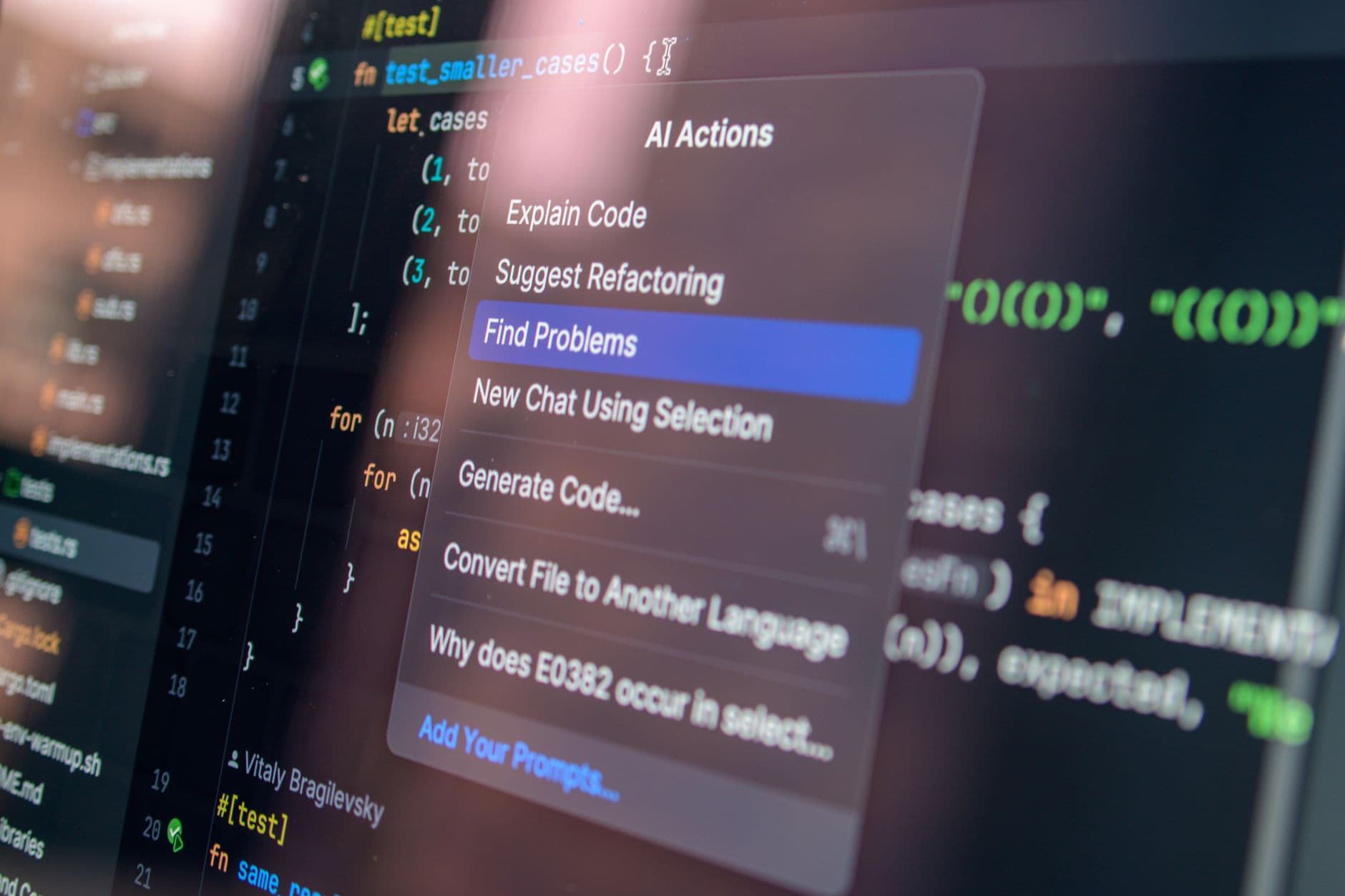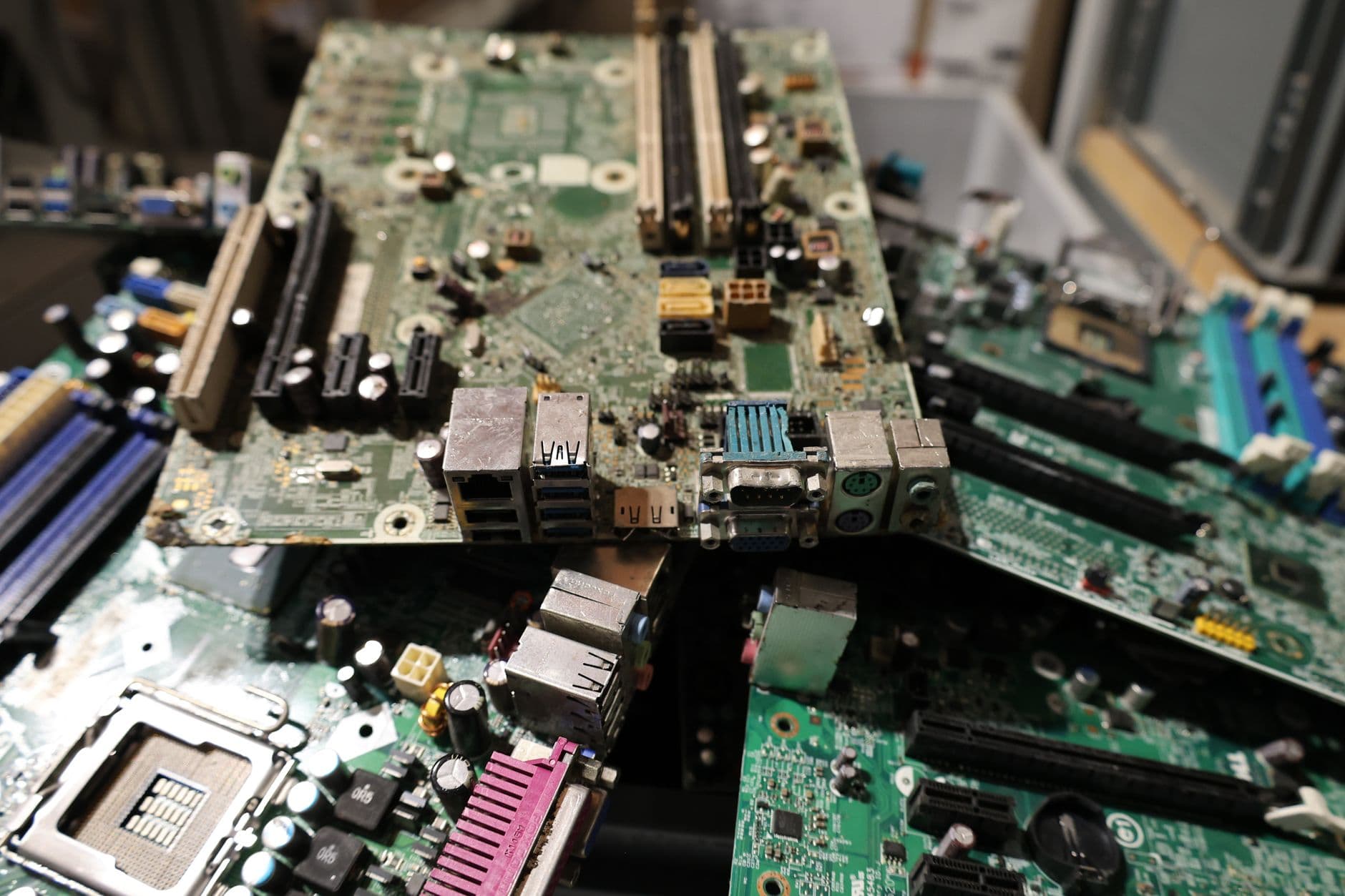
A quiet but profound shift is underway in the world of AI, one that’s not about the latest NVIDIA card or hyperscale data centers. It’s about 13-year-old server processors, the kind most of us forgot existed, now powering sophisticated language models at home. This isn't just a tech curiosity; it’s a radical re-evaluation of what constitutes 'obsolete' and a direct challenge to the relentless churn of consumer electronics.
The fact that someone can run Gemma 2 26B at 5 tokens/second on a Xeon from 2011, without a GPU, is more than an impressive benchmark. It’s a blueprint for a future where high-end AI isn't exclusively tied to bleeding-edge silicon and massive energy consumption. This 'zombie hardware' renaissance is proving that the perceived limitations of older technology are often just a matter of optimization, not fundamental capability.
The Unseen Power of 'Outdated' Processors
For decades, the tech industry has trained us to believe in a linear progression of power, where anything older than a few years is effectively a paperweight. Your phone from three years ago? Practically ancient. Your laptop from five? Good for email, maybe. But the server world, particularly the enterprise segment, operates on different principles. Reliability, longevity, and stability often trump raw, bleeding-edge speed. This is why a Xeon chip from 2011, designed for continuous operation in a data center, still possesses substantial computational muscle.
These chips, originally costing thousands, are now available on the secondary market for mere tens or hundreds of dollars. They offer a high core count and substantial RAM capacity – precisely the ingredients needed to run quantized versions of large language models locally. The crucial insight is that for many inference tasks, especially with highly optimized models, raw GPU horsepower isn't the only path. Efficient CPU utilization and ample memory can create a surprisingly capable, cost-effective AI workstation.
The Real Cost of Obsolescence
Consumer electronics operate on a cycle of planned obsolescence, both perceived and engineered. New models arrive annually, often with incremental improvements, driven by marketing and the relentless pursuit of upgrade cycles. This creates an enormous amount of electronic waste, with an estimated 59.4 million metric tons generated globally in 2022 alone. Much of this waste still contains perfectly functional components, discarded not because they failed, but because they were deemed 'not new enough.'
The ability to repurpose decade-old server hardware for demanding AI tasks directly confronts this paradigm. It demonstrates that the lifespan of sophisticated silicon can extend far beyond its consumer-market shelf life. It forces us to ask: how much computational power are we literally throwing away every year? How much environmental impact are we incurring for marginal gains?
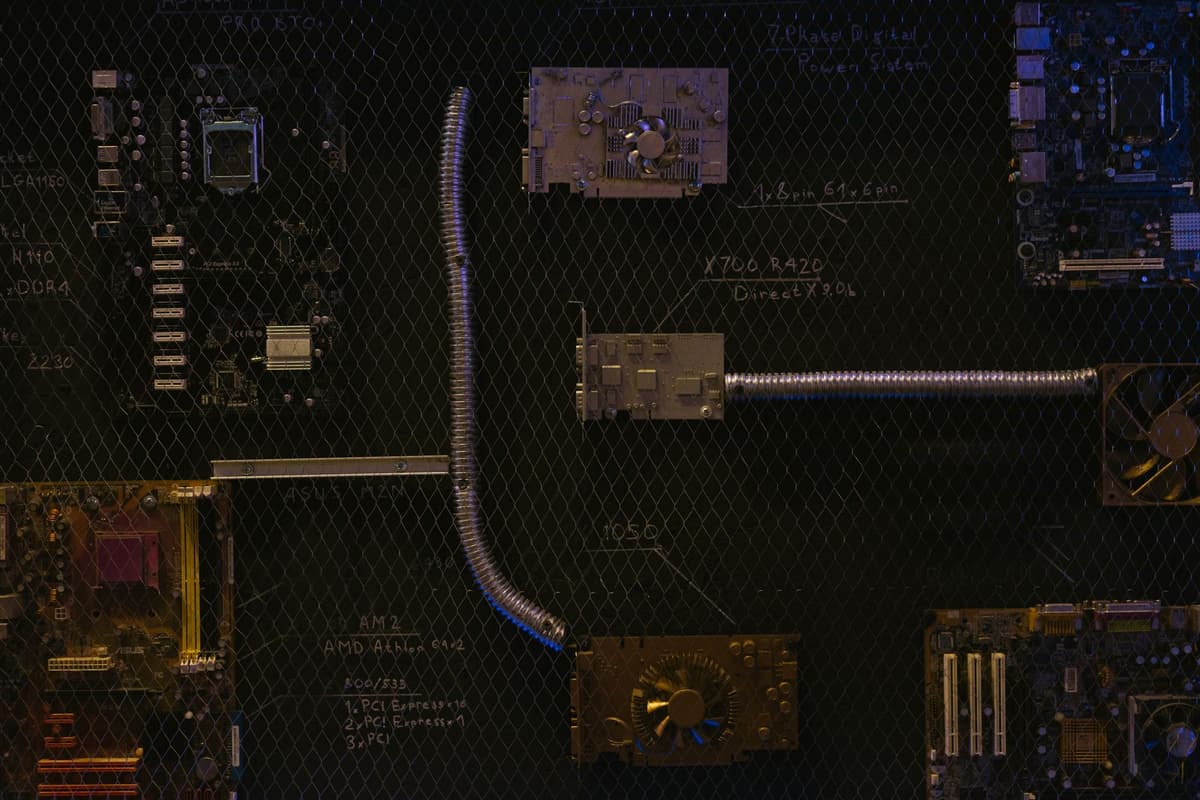
Photo by Mikhail Nilov on Pexels
This isn't just about saving a few bucks on a server. It’s about a more sustainable relationship with technology, one where we maximize the utility of existing resources rather than constantly demanding new ones. The irony is that the very enterprise-grade durability and long-term support designed into these chips for corporate stability are now enabling a grassroots, sustainable tech movement.
The Open Source Catalyst
This zombie hardware renaissance wouldn't be possible without the relentless innovation in the open-source AI community. Model quantization, efficient inference engines like llama.cpp, and clever memory management techniques are the true unsung heroes here. They are the software layer that unlocks the latent potential in this older hardware, turning what was once a theoretical capability into a practical reality.
These optimizations are democratizing access to powerful AI. Suddenly, individuals and small labs, previously priced out of the high-end GPU market, can experiment with and deploy significant LLMs on hardware that is financially accessible. This decentralization of AI computation has profound implications, moving power away from a handful of cloud providers and into the hands of a broader community. It fosters experimentation and reduces dependency, which is critical for innovation and resilience.
What This Actually Means
This isn't just a niche hobby for tech enthusiasts; it's a profound statement about value, sustainability, and the future of computing. It's a clear signal that 'innovation' doesn't always mean 'brand new.' Sometimes, it means looking at what we already have, what we've discarded, and finding novel ways to make it relevant again. The fact that a 13-year-old Xeon can run current AI models means that a vast global pool of 'obsolete' hardware suddenly has renewed potential.
This movement challenges the very foundations of the consumer tech industry's business model, which relies heavily on frequent upgrades. It points towards a future where software optimization is prioritized as much as, if not more than, raw hardware power. It champions resourcefulness over consumption and offers a tangible path towards a more sustainable technological ecosystem. The zombie hardware renaissance is a quiet revolution, but its implications for our relationship with technology are anything but small.
Quick Answers
- What is 'zombie hardware'? It refers to older, often enterprise-grade, computer components (like CPUs from servers) that are considered obsolete by mainstream standards but are being repurposed for new, demanding tasks like running AI models.
- How can old CPUs run modern AI models without a GPU? Advances in model optimization, such as quantization (reducing precision without significant performance loss) and highly efficient inference engines, allow LLMs to run effectively on CPUs with sufficient core counts and RAM, even without a dedicated GPU.
- What are the benefits of using zombie hardware for AI? It significantly reduces the cost of entry for running powerful AI models locally, promotes sustainability by repurposing electronic waste, and decentralizes AI computation away from expensive cloud services.
- Is this practical for everyone? While it requires some technical knowledge to set up, the increasing ease of use for local LLM tools means it's becoming more accessible. It's a particularly strong option for hobbyists, researchers, and small businesses looking for cost-effective AI solutions.