Most of us live in a state of technological learned helplessness. We press a glass pane, a food delivery driver appears, and we don't think about the routing algorithms, the cellular handshakes, or the lithography of the chip that made it happen. It is pure magic, right up until the moment it breaks and we are forced to throw it in the trash because the battery is glued shut.
Then you stumble upon a project like RISCBoy. It is a handheld gaming console, but not in the way a Nintendo Switch is. Its creator, a developer named Sprite_tm, did not just write some code or 3D-print a shell. They designed the custom printed circuit board, selected individual microcontrollers, and wrote the graphics logic from scratch. It is a functional piece of consumer electronics born out of raw willpower and solder.
I find myself wondering what drives someone to spend hundreds of hours doing what a $50 emulator from Shenzhen can already do better. Is it just nerd bravado, or is it a symptom of a deeper, quiet panic about how little we actually own anymore?
The Black Boxes We Inhabit
Think about the last piece of technology you bought. A smartphone, a smart thermostat, maybe a pair of wireless earbuds. You paid for them, they sit in your pocket or on your wall, but do you actually own them? If the manufacturer decides to shut down the authentication servers tomorrow, your expensive gadget becomes an expensive paperweight.
We have traded understanding for convenience. The modern tech industry operates on the principle of the "black box"—an object where the inputs and outputs are visible, but the internal workings are actively hidden from you. Apple uses proprietary pentalobe screws; John Deere locks tractors with software keys; even your toaster might have a microchip that prevents you from swapping the heating element.
Projects like RISCBoy feel like a deliberate, almost romantic rebellion against this status quo. It is part of a nascent movement some are calling "silicopunk." If cyberpunk is about high tech and low life, silicopunk is about stripping away the slick, marketing-approved user interface to expose the bare physics of the machine. It asks a radical question: What if the only way to truly own a device is to build its brain yourself?
Going Deeper Than the Code
For decades, the open-source movement was mostly about software. You could download Linux, inspect the code, modify it, and run it. But the physical chips running that software remained proprietary secrets, manufactured in multibillion-dollar fabrication plants owned by TSMC or Intel. You could trust the code, but you had to take the physical silicon on blind faith.
That is changing. The rise of RISC-V, an open-source instruction set architecture, means that anyone can now design a processor without paying licensing fees to ARM or x86 giants.
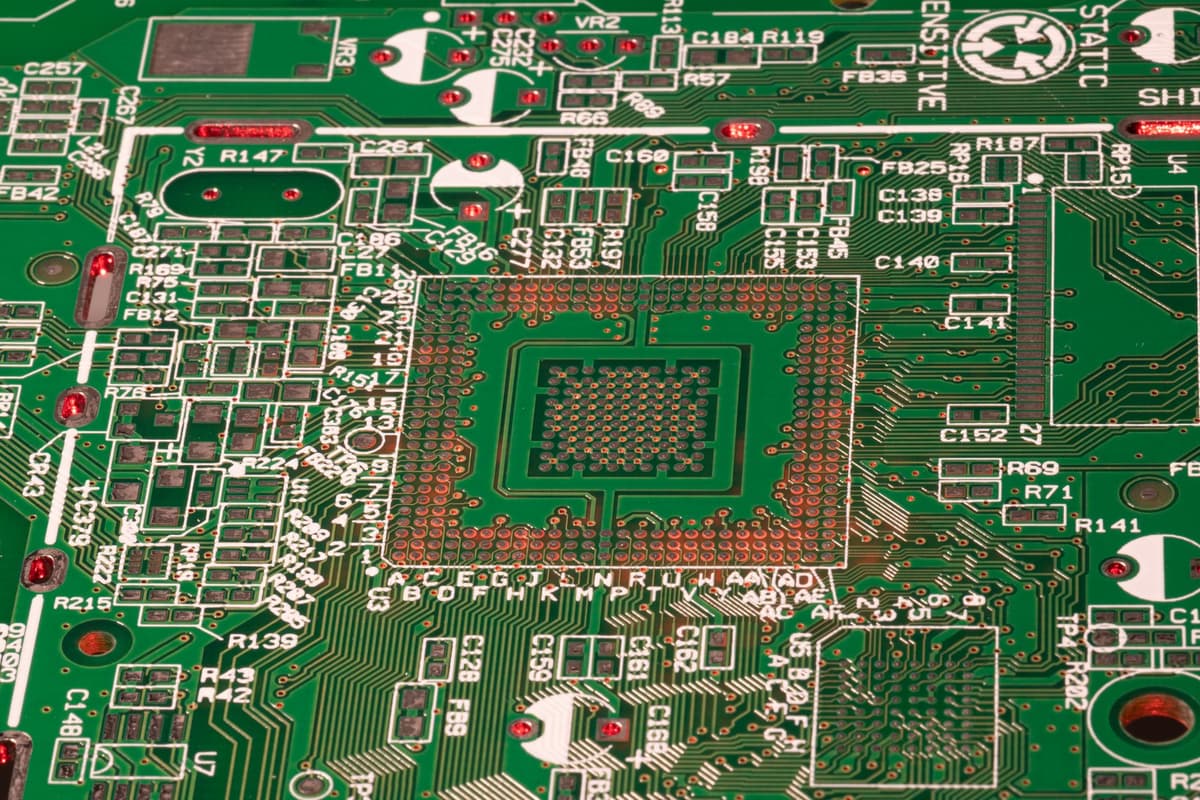
Suddenly, the boundary between software and hardware is dissolving. With a Field Programmable Gate Array (FPGA)—a type of chip that can be physically rewired using code—a hobbyist can prototype an entirely new processor architecture on their desk. They are not just writing programs to run on a computer; they are programming the computer itself into existence.
I wonder if this is where the next generation of computing pioneers will be forged. The early days of personal computing were defined by people who built their own Altairs and Apple Is from kits. We lost that tactile connection when computers became mass-market appliances. Are we seeing the pendulum swing back because we've realized that being mere consumers of technology is deeply unsatisfying?
The High Cost of Knowing How
There is a catch to this utopian vision of self-reliance, and it is a massive one. Building your own silicon is absurdly, prohibitively difficult.
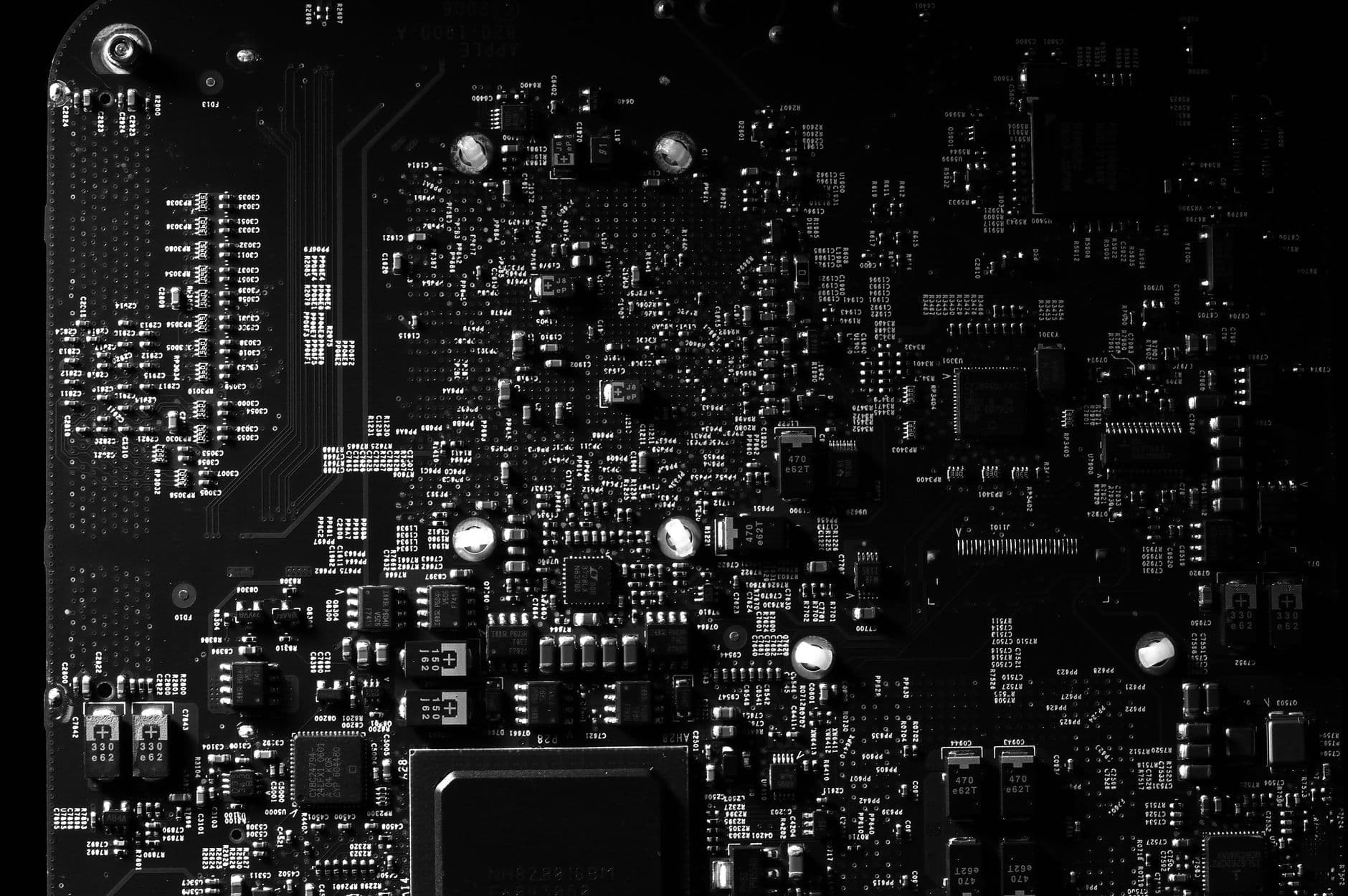
To make something like RISCBoy work, you need to understand digital logic design, printed circuit board layout, electrical impedance, assembly language, and low-level C programming. You need to know why a decoupling capacitor is necessary to smooth out voltage spikes and how to debug a signal that is degrading because a copper trace on your board is two millimeters too long.
This is not a weekend project for the casual hobbyist. It requires a level of specialized knowledge that takes years to acquire.
So is this really a viable future, or is it just a highly sophisticated form of cosplay for elite engineers? If true ownership of technology requires us to understand the physics of silicon, then 99% of the population is going to remain locked out of that ownership forever. We cannot all be chip designers. We have lives to live, jobs to do, and families to feed.
What This Actually Means
Perhaps the value of projects like RISCBoy is not that they will replace mass-produced gadgets, but that they serve as a vital proof of concept. They prove that the monoliths are not invincible. They show that a single human being, armed with open-source tools and a modest budget, can still comprehend and construct the machines that rule our lives.
It is a form of intellectual preservation. As our devices become more complex, AI-driven, and locked down, we need people who keep the ancient, fundamental fires burning. We need to know that if the global supply chains collapse, or if the proprietary ecosystems become too hostile to inhabit, we still have the blueprints to build our own way out.
Ultimately, looking at a RISCBoy makes me want to buy a soldering iron. It makes me want to look at the mysterious, smooth plastic objects on my desk and ask them, with a bit more skepticism and a lot more curiosity: What are you actually doing in there?
Quick Answers
What makes RISCBoy different from a normal game console?
Instead of using off-the-shelf parts and pre-written operating systems, RISCBoy's creator designed the processor logic, the circuit board, and the software from scratch using open-source tools.
Can I buy a RISCBoy in stores?
No, it is a DIY open-source project. You have to source the components, order the custom circuit boards, and assemble it yourself using the schematics provided by the creator.
Why is the RISC-V architecture important for projects like this?
RISC-V is an open-source instruction set, meaning anyone can design and build chips based on it without paying royalties or licensing fees to massive corporate chipmakers.