Grandma’s Plastic-Wrapped Sofa, but for Servers
Usually, when a tech giant finishes with a server, they treat it like a used tissue. They rip it out, replace it with the newest shiny toy, and move on. But Meta just looked at a mountain of decommissioned DDR4 RAM and decided that instead of throwing it away, they’d build a Frankenstein bridge chip to force old memory to talk to new CPUs. It is the silicon equivalent of trying to plug a VCR into a Tesla. It shouldn't work, it feels slightly illegal, and yet, here we are.
This isn't just a fun weekend project for a bored engineer named Gary. This is a massive logistical pivot. Meta is basically the guy who refuses to throw away a perfectly good cardboard box because 'that’s a high-quality box.' Except in this case, the box is a few hundred thousand sticks of RAM and the 'storage unit' is a data center the size of a small Midwestern town.
We have officially reached the 'Peak Scavenger' phase of the AI arms race. When you're spending billions on H100s, I guess you have to save money somewhere. Apparently, that 'somewhere' is by raiding the electronic recycling bin like a raccoon in a hoodie.
The Bridge to Somewhere (Specifically 2016)
The technical hurdle here is that new server chips want the latest, greatest DDR5 memory. They speak different languages. It’s like trying to get a Gen Z TikToker to have a meaningful conversation with a Victorian chimney sweep. Meta’s solution was to design a custom ASIC—a specialized bridge chip—that acts as a translator. It tells the new CPU, "Yeah, I know this RAM is old and slow, but just pretend it's fine, okay? We're on a budget."
- The bridge chip manages the timing differences so the CPU doesn't have a stroke.
- It allows Meta to bypass the global supply chain drama for a while.
- It proves that 'Reduce, Reuse, Recycle' applies to everything except your privacy settings.
Think about the engineering hours that went into this. They didn't just buy new RAM. They sat down and said, "How can we build a brain for our trash?" It’s the ultimate 'Hold my beer' moment in corporate infrastructure. They are basically hot-wiring their own data centers.
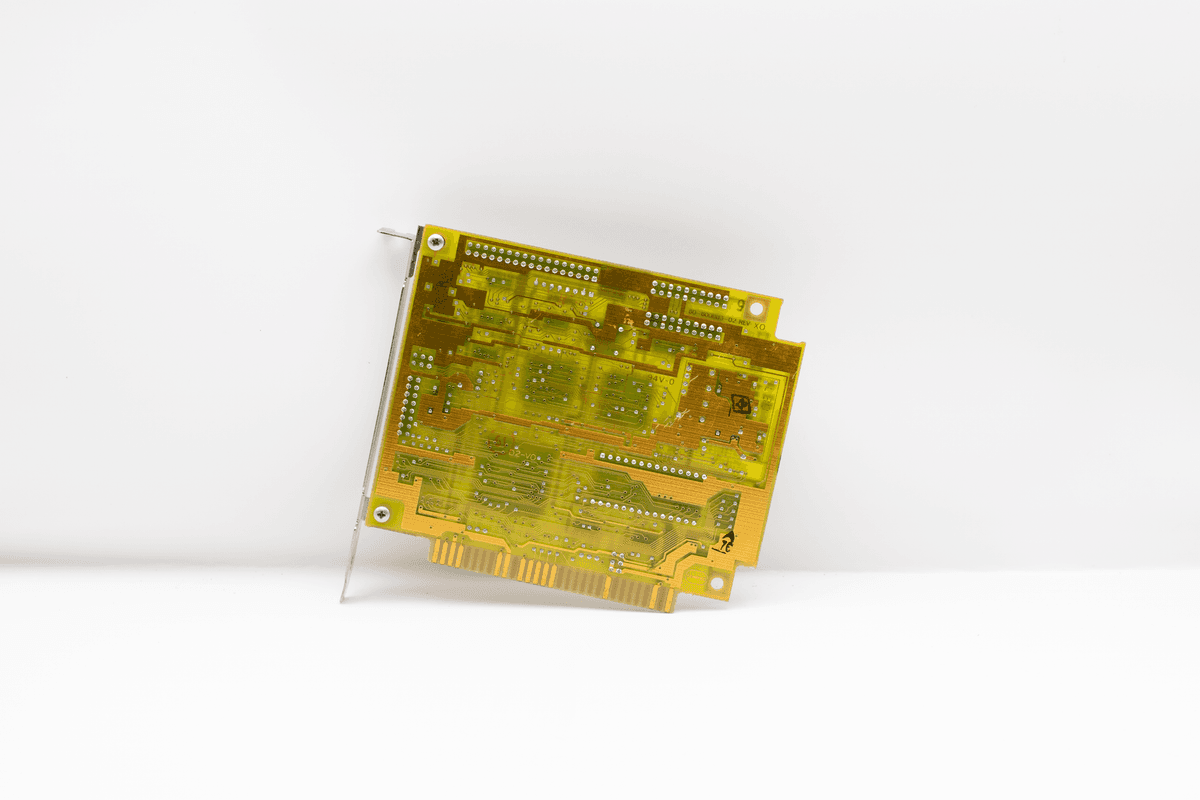
Photo by Nicolas Foster on Pexels
Why Buy New When Old Do Trick?
If you’ve ever tried to buy a high-end GPU lately, you know the market is a dumpster fire inside a hurricane. By upcycling their old DDR4, Meta is dodging a bullet made of lead times and inflated invoices. They aren't waiting for a shipping container from Taiwan; they're just walking to the back of the warehouse with a screwdriver and a dream.
There is something deeply hilarious about the world’s most advanced AI being powered by the same memory sticks that used to host your aunt’s FarmVille farm. We are building the future on the literal bones of the past. It’s like finding out the Starship Enterprise is actually powered by three hundred thousand interconnected GameBoys and some duct tape.
This is also a massive middle finger to the 'planned obsolescence' crowd. Usually, Intel or AMD tells you that you need new everything every three years or your servers will turn into pumpkins. Meta just looked at that business model and said, "Nah, we'll just build a bridge." It’s the most expensive 'hack' in human history.
What This Actually Means
This marks the end of the 'Disposable Hyperscale' era. For years, the move was to 'rip and replace' every three to five years because power efficiency and speed gains made it worth it. But now, the sheer scale of AI infrastructure means that even 'slow' RAM is better than 'no' RAM. We are entering the age of the Frankenstein Cloud, where your data is processed by a mix of 2024's cutting-edge silicon and 2018's leftovers.
It also sets a terrifying precedent for the rest of us. If a trillion-dollar company is out here scavenging for parts, what hope do we have? Pretty soon, Apple is going to stop selling new iPhones and just send a guy to your house with a soldering iron to 'bridge' your cracked screen to a calculator battery.
Ultimately, Meta has realized that in the AI gold rush, the shovel doesn't have to be gold—it just has to dig. If they can save a few hundred million dollars by using 'vintage' memory, they’ll do it. It’s smart, it’s green, and it’s undeniably funny to imagine Mark Zuckerberg hovering over a vat of old RAM like a dragon guarding a hoard of slightly dusty computer parts.
Quick Answers
Is my old computer RAM worth millions now?
No, yours is still trash. Meta is doing this with hundreds of thousands of enterprise-grade sticks, not the 4GB stick you pulled out of a Dell Inspiron in 2012.
Does this make Meta’s AI slower?
Slightly, but in the world of massive data centers, 'slightly slower and available now' beats 'fast but arriving in 14 months' every single time.
Will other companies do this?
Only the ones with enough money to design their own custom silicon bridges, which is a very short list of people who are currently winning at capitalism.