The Great Flattening of Human Joy
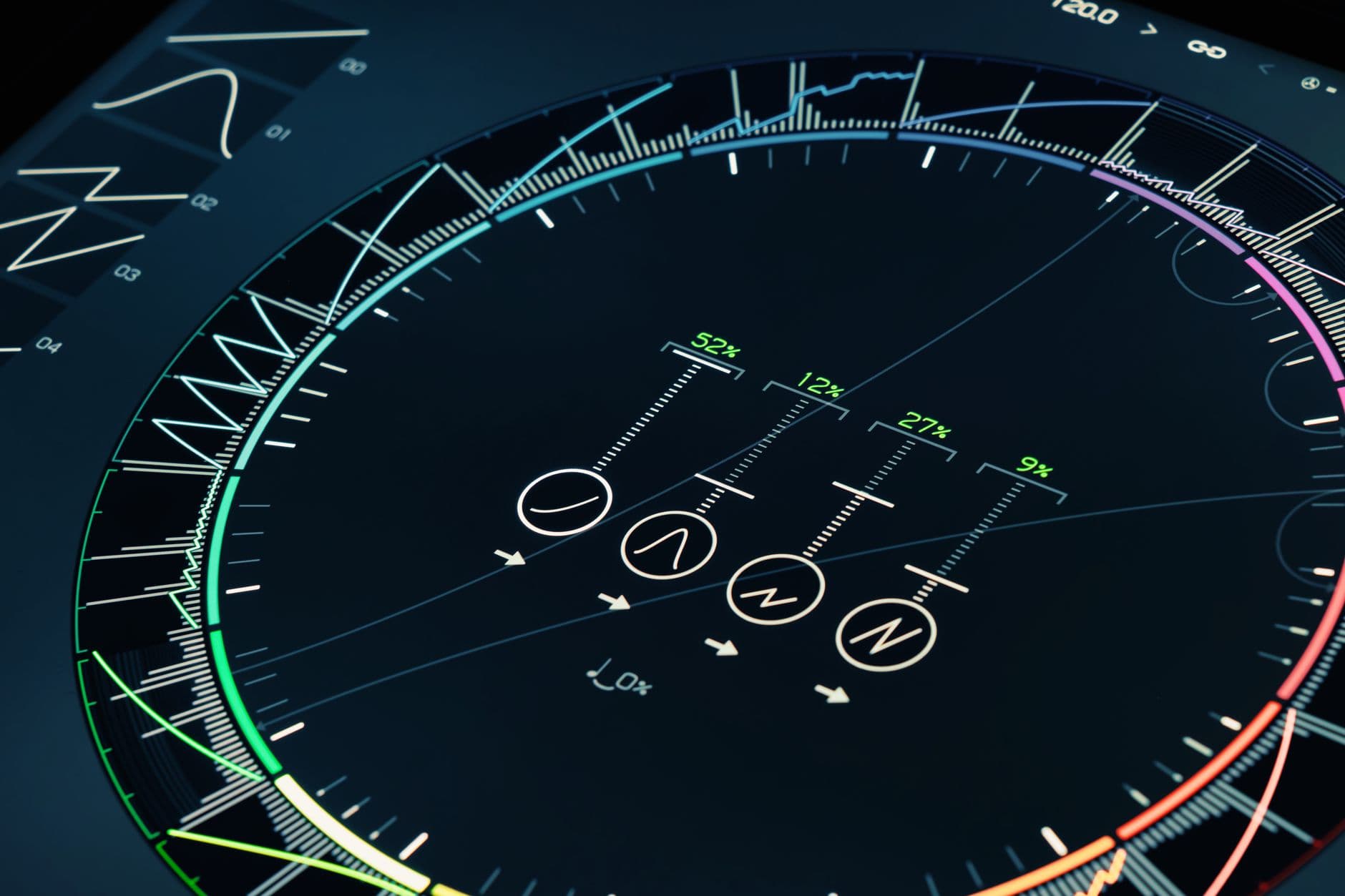
For the last decade, industrial designers have been on a singular mission to turn every object in our lives into a sterile slab of obsidian. Your phone is a slab. Your thermostat is a slab. Your car’s dashboard is a slab that somehow makes it impossible to turn on the windshield wipers without navigating a sub-menu that feels like filing your taxes in a hurricane. We were told this was 'the future,' but the future feels like living inside a giant, refrigerated iPad.
Now, look at the Silicon Graphics (SGI) workstations in Jurassic Park. Those machines didn't just sit there; they loomed. They had wires like thick black snakes and monitors deep enough to house a family of four. When Lex Murphy sits down and says, "It’s a Unix system! I know this!" she isn't just navigating a file directory—she is flying through a 3D neon city of data blocks. It was absurd, it was inefficient, and it was the coolest thing a ten-year-old had ever seen. We don't want 'user-friendly' anymore; we want 'I am the captain of a starship and I might accidentally launch a nuke if I lean on this button.'
Buttons You Can Actually Feel With Your Human Hands
The current obsession with the IRIX interactive file manager (fsn) isn't just nostalgia for a movie where a lawyer gets eaten off a toilet. It’s a cry for help from a species that evolved to grab sticks and stones, not to swipe aimlessly at light. There is a specific, visceral dopamine hit that comes from a physical toggle switch. Flipping a heavy metal switch to the 'ON' position feels like you are actually doing something. Tapping a haptic-feedback screen feels like poking a dead jellyfish and hoping it listens to you.
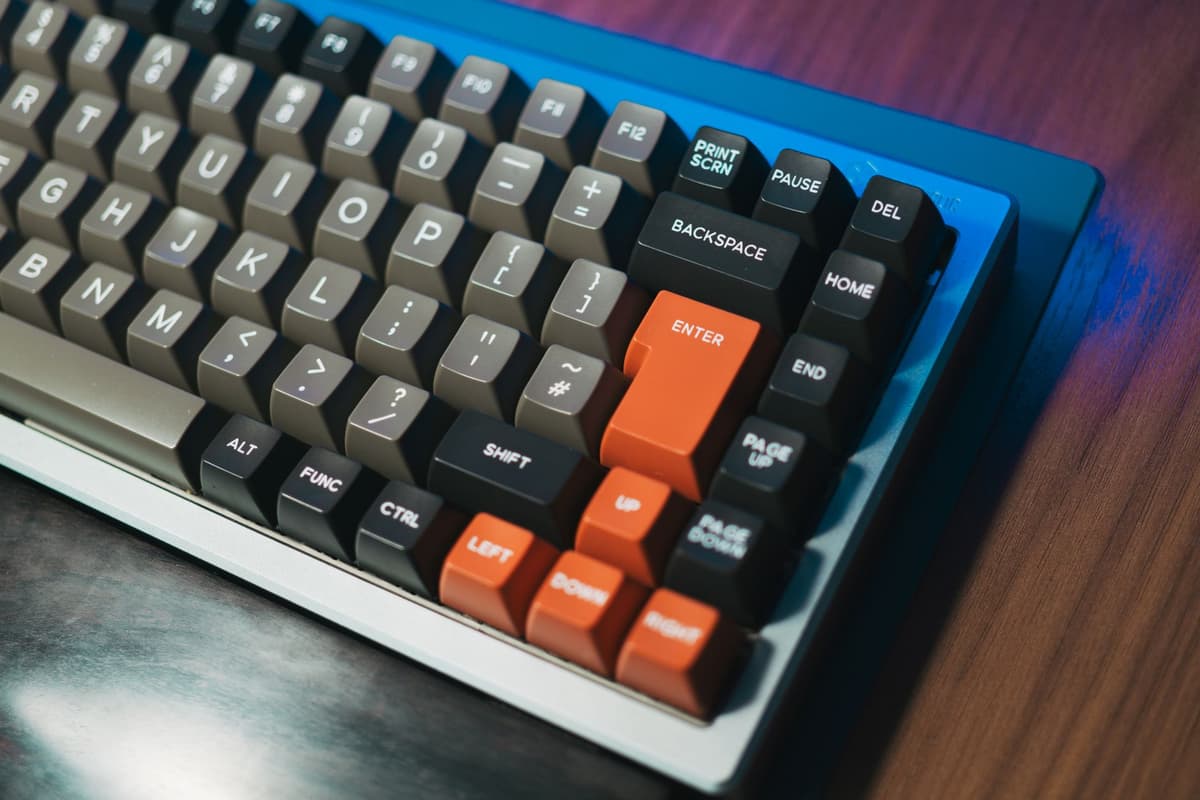
Photo by FOX ^.ᆽ.^= ∫ on Pexels
We are seeing this manifest in the real world through the rise of mechanical keyboards that sound like a hail storm on a tin roof and the return of physical knobs in high-end audio gear. People are paying $400 for 'fidget sliders' and 'haptic coins' just to remind their nervous systems that they still exist in three dimensions. We spent twenty years trying to make everything invisible, and now we’ve realized that invisible things are incredibly boring to look at and even worse to touch.
The Glorious Inefficiency of 3D File Systems
Let’s be honest: searching for a file in a 3D landscape of floating cubes is an objectively terrible way to work. If I had to fly through a digital skyscraper every time I wanted to find a spreadsheet titled 'Budget_Final_v4_ActualFinal.xlsx,' I would never get anything done. But that’s exactly why we love it. Modern tech is too fast for its own good. It’s so efficient that it’s frictionless, and when things are frictionless, they leave no memory.
When the power goes out in the park and Samuel L. Jackson has to reboot the system, he isn't just clicking 'Restart.' He’s typing commands into a glowing amber terminal while smoking a cigarette that is roughly 40% ash. There is a weight to it. There is a sense of mechanical intentionality. If a dinosaur was chasing me, I’d want to feel the clunk of a keyboard, not be stuck waiting for a FaceID scan to recognize my terrified, sweaty face.
What This Actually Means
We are witnessing the death of the 'minimalist' era because humans aren't minimalist creatures. We are messy, tactile, loud animals who like to push things. The reconstruction of the Jurassic Park interfaces isn't about the software itself—it's about a design philosophy that treats technology as a physical partner rather than a haunting digital ghost. We want our gadgets to have character, even if that character is 'overly complicated 90s workstation.'
In the next few years, expect to see the 'Glass Slab' aesthetic recede like a tide. We’re going to see more physical dials on our appliances, more texture on our devices, and hopefully, more interfaces that look like they were designed by a mad scientist in a Hawaiian shirt. We don't just want to use our tech; we want to play with it. Give me a lever. Give me a glowing red light. Give me a system that looks like it could survive a T-Rex breakout.
If the future doesn't involve at least three glowing buttons that make a satisfying 'thunk' when pressed, I’m not sure I want to live there. We’ve spent enough time being 'productive' in sterile white boxes. It’s time to go back to the neon-grid jungle where the files are blocks and the tech actually feels alive.
Quick Answers
Was the 3D file system in the movie real?
Yes, it was called 'File System Navigator' (fsn) and ran on IRIX systems; it wasn't just a movie prop, though it was arguably the most impractical way to organize a folder ever invented.
Why do I hate my touch-screen car volume slider?
Because you are a biological entity with spatial awareness, and trying to adjust volume by sliding a finger across plastic while driving at 70mph is a design crime punishable by exile.
Is 'Tactile Tech' just a trend for hipsters?
It started that way, but it's becoming a mainstream rejection of the 'subscription-service-as-a-device' model; people want to own things that feel substantial and permanent.
Should I buy a mechanical keyboard?
Only if you want your coworkers to think you are writing the Great American Novel or aggressively hacking the Pentagon every time you send an email.