The $500,000 Brick
There is a specific kind of silence that happens in a field when a half-million-dollar machine decides it no longer recognizes its own fuel injector. It isn't a mechanical failure in the traditional sense; there are no grinding gears or plumes of black smoke. Instead, a sensor detects a repair, notes that the serial number of the new part hasn't been 'handshaked' by a proprietary dealer tool, and triggers a software limp mode. The tractor, capable of pulling thirty tons, suddenly refuses to move faster than a crawl.
I find myself wondering at what point we decided that a physical object’s utility should be tethered to a remote server. This recent FTC settlement with John Deere is being hailed as a massive win for the Right to Repair, and legally, it is. Farmers can finally get their hands on the diagnostic software that was previously guarded like the Coca-Cola recipe. But looking at the architecture of these machines makes me realize that the 'lock' isn't just a password—it’s woven into the very language the machine speaks.
The Secret Language of the CAN Bus
To understand why this is so complex, you have to look at the Controller Area Network, or CAN bus. Think of it as the tractor's nervous system. In a modern 8R series tractor, there isn't just one computer; there are dozens of Electronic Control Units (ECUs) constantly shouting at each other over a two-wire bus. They talk about engine timing, hydraulic pressure, and GPS coordinates.
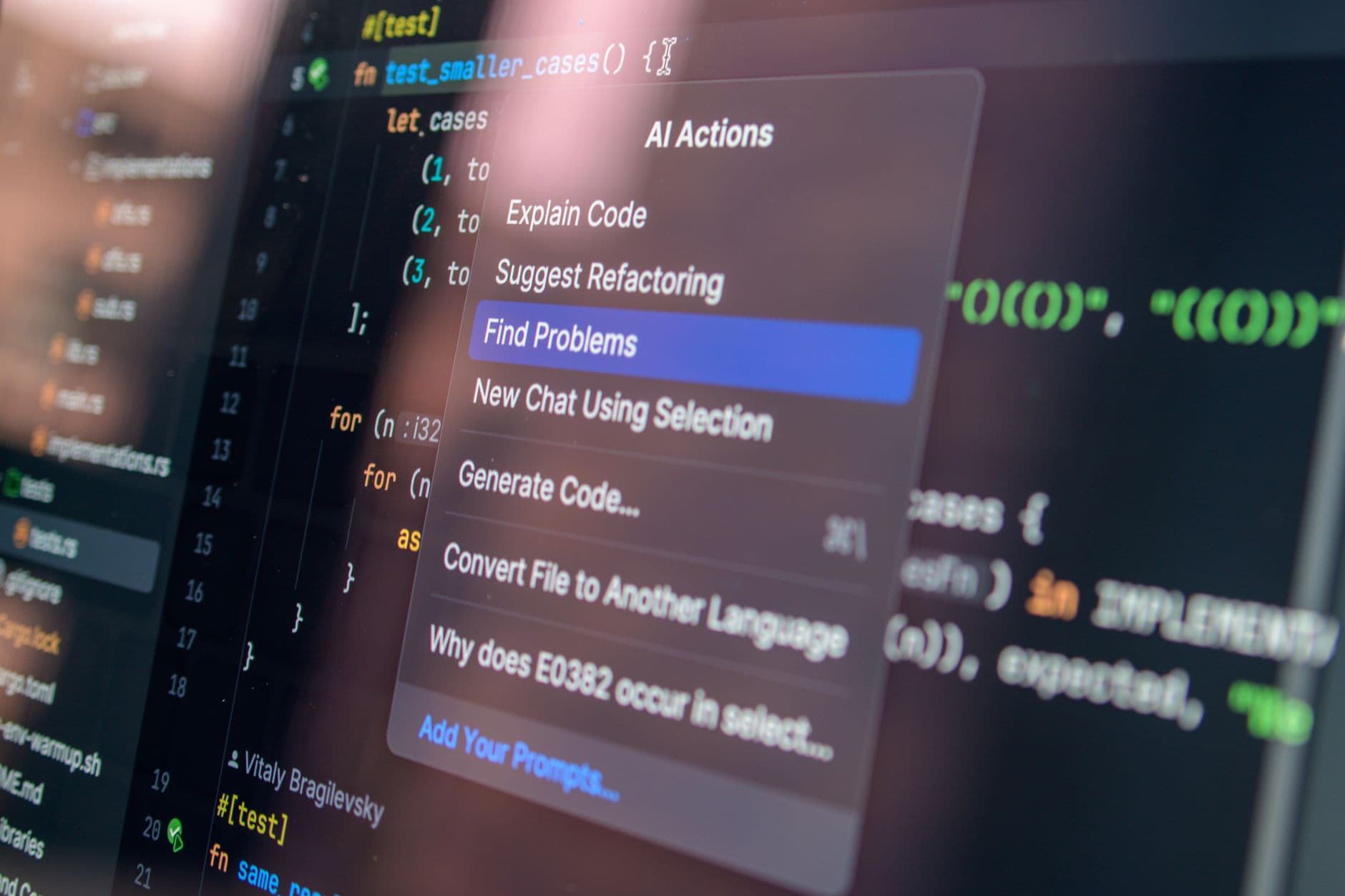
What’s fascinating—and a bit haunting—is how manufacturers have turned this open-standard protocol into a private club. By using proprietary 'extensions' to the standard J1939 protocol used in heavy machinery, Deere effectively created a language where the tractor can say 'I'm broken' to anyone, but only 'I'm fixed' to someone holding a specific digital key. I spent an afternoon reading about 'seed-key exchanges,' which are essentially mathematical riddles the tractor poses to the diagnostic tool. If the tool doesn't have the secret algorithm to solve the riddle, the tractor stays dead. Why did we build machines that don't trust their owners?
Engineering the Impossible Repair
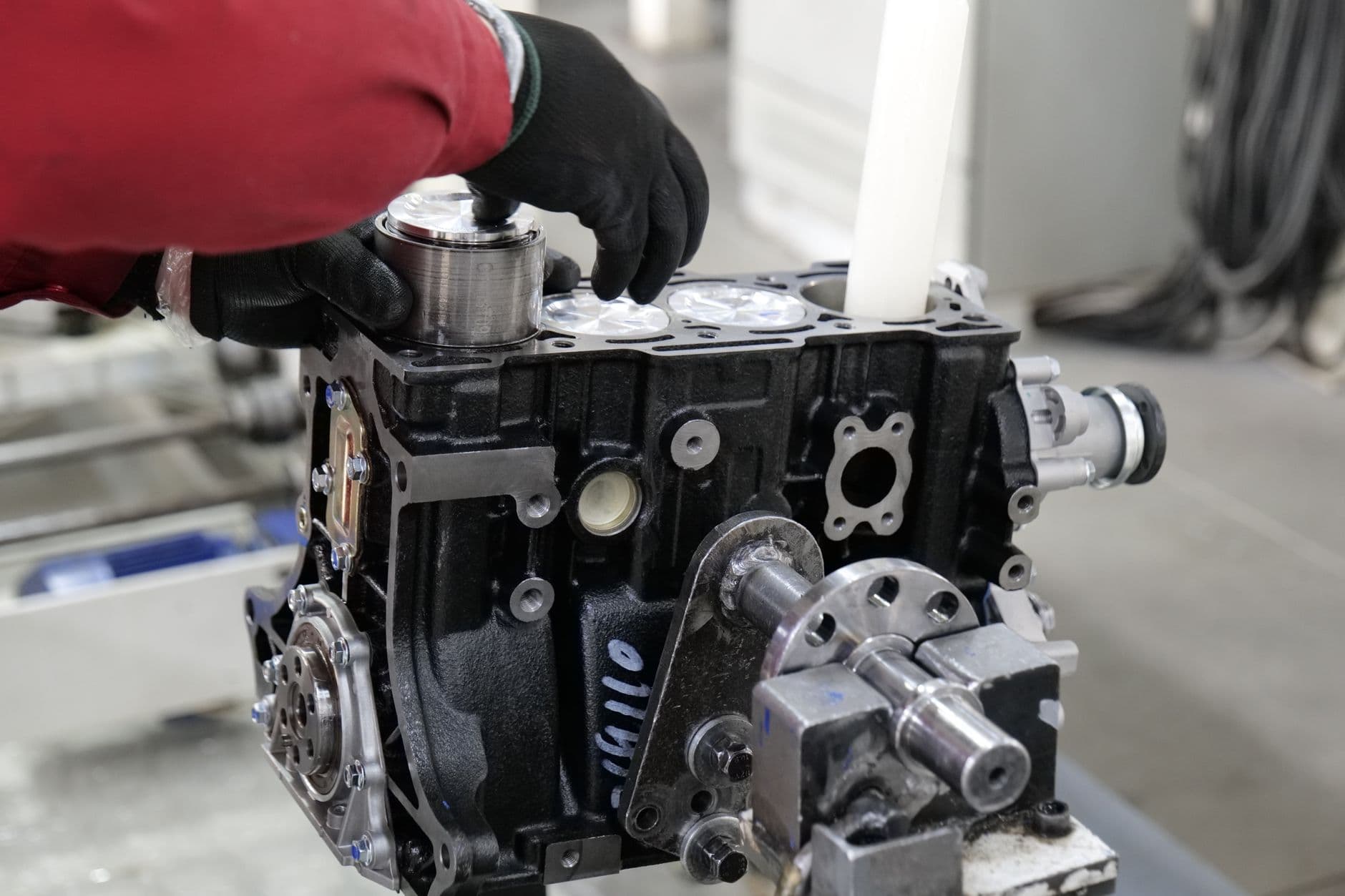
I keep thinking about the sheer engineering effort required to make something unfixable. It’s not an accident; it’s a feature. Engineers had to sit in rooms and design the 'digital twin' of the tractor so that the hardware and software are physically inseparable. In some cases, this involves 'part pairing,' where a specific transmission is cryptographically locked to a specific engine. If you swap a working transmission from a donor tractor, neither machine will start.
This isn't just about protecting intellectual property or 'safety,' as the lobbyists often claim. It feels more like a fundamental shift in the nature of property. When you buy a tractor today, are you buying the steel and the tires, or are you just paying for a temporary license to occupy a seat in a mobile data center? The complexity of the software—millions of lines of code—means that even with the new tools, an independent mechanic is essentially trying to perform surgery on a patient whose anatomy is a trade secret.
What This Actually Means
The victory at the FTC is a massive step, but it reveals a deeper challenge: we are entering an era where 'repair' requires a computer science degree. The settlement forces Deere to provide the Customer Service ADVISOR tool, which is a huge deal. It means a farmer in the middle of Nebraska doesn't have to wait three days for a dealer technician to drive out just to click 'OK' on a laptop screen.
But I wonder if we’ve reached a point of no return with complexity. Even with the tools, the sheer density of the digital locks means that the manufacturer still holds the ultimate power. They write the code, they define the protocols, and they control the cloud updates. This win is a crack in the wall, but the wall is made of proprietary logic that most of us will never truly understand.
Ultimately, this is about the soul of our stuff. If I can't understand how my machine thinks, do I really own it, or am I just a high-tech sharecropper? I’m hopeful that this settlement inspires a new generation of open-source hardware standards, but for now, I’m just looking at these machines with a newfound sense of awe at how hard we’ve worked to lock ourselves out of our own inventions.
Quick Answers
Does this mean I can fix my own tractor now?
Yes, the settlement requires John Deere to provide the same diagnostic tools and manuals to owners and independent shops that they provide to authorized dealers.
What is 'part pairing' exactly?
It is a software lock where a component, like a sensor or a motor, is assigned a digital signature that must match the main computer's records or the machine won't function.
Why was the CAN bus such a problem?
Manufacturers used proprietary codes on this communication network to ensure that only their specific, high-priced tools could interpret what the machine’s sensors were actually saying.