The Generosity of Corporate Overlords
There is nothing quite like the smell of fresh manure and the sound of a proprietary software error code flashing on a dashboard at 4:00 AM. For years, John Deere has operated on a business model that treats farmers—the people who literally keep the species from starving—as mere temporary tenants of their own machinery. You didn't buy a tractor; you bought a very expensive, green-painted subscription service that requires a certified technician to travel three counties away just to tell the engine it’s allowed to start again.
The FTC’s recent movement toward enforcing the 'Right to Repair' is being hailed as a victory, which is a bit like celebrating the fact that your kidnapper finally agreed to let you choose which brand of crackers you eat. The sheer audacity required to tell a man who can rebuild a diesel engine in his sleep that he isn't allowed to plug a laptop into his own $600,000 combine is a masterclass in corporate hubris. We have spent a decade pretending this was about 'intellectual property' and 'safety' when it was always about ensuring a technician could charge $150 an hour to click 'OK' on a diagnostic pop-up.
Saving the Planet One Motherboard at a Time
Beyond the minor inconvenience of a farmer losing their livelihood because of a faulty sensor, we have the delightful ecological fallout of planned obsolescence. Nothing says "environmental steward" like a supply chain that forces the manufacturing of an entirely new 20-ton piece of heavy machinery because the previous one had a computer glitch that was legally protected from being fixed. It’s an incredibly efficient way to fill landfills with high-grade steel and rare earth minerals that we definitely have an infinite supply of.
Manufacturing a single large tractor involves thousands of pounds of cast iron, rubber, and enough microchips to run a small city. When we prevent repair, we aren't just being annoying; we are effectively mandating a massive carbon footprint. If you can’t fix the software, the hardware becomes a very large, very expensive lawn ornament. It turns out that the most sustainable tractor is the one that stays in the field for 40 years, but unfortunately, 40-year lifespans don't look particularly good on a quarterly earnings report intended for institutional investors.
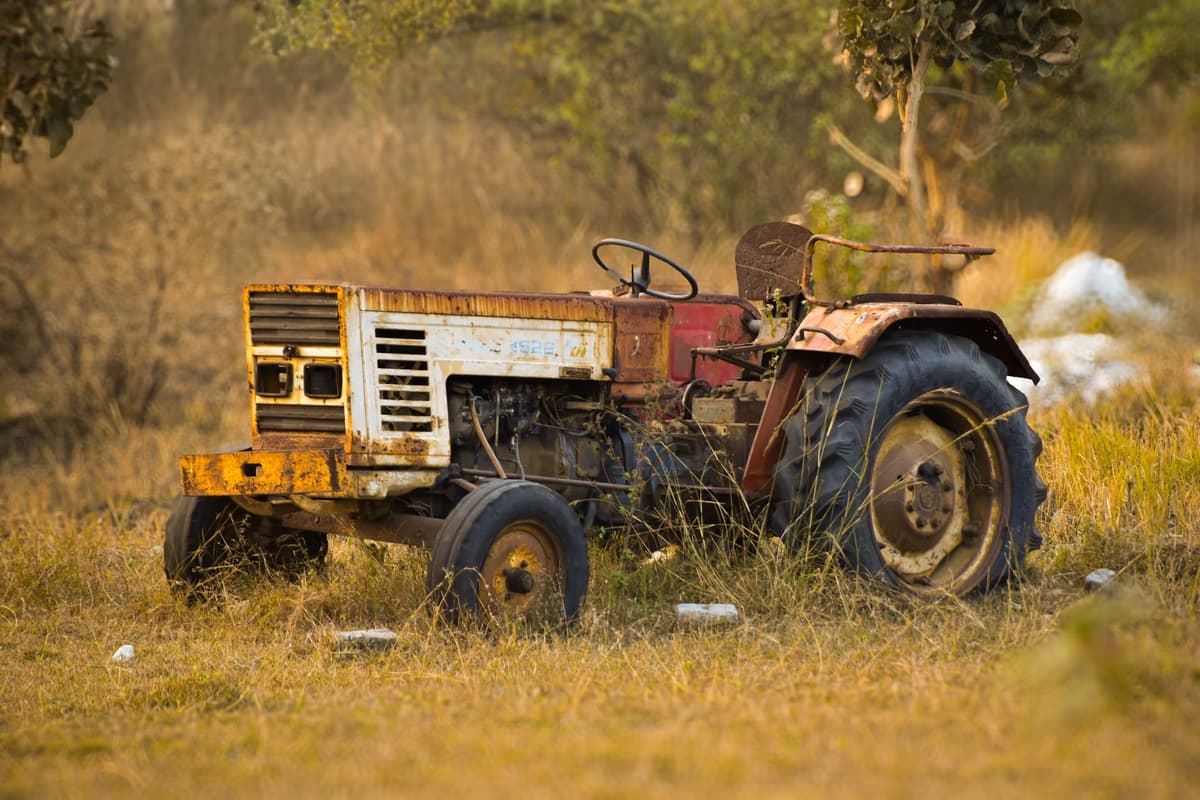
Photo by P.R MALLIK on Pexels
The High-Tech Myth of Proprietary Safety
John Deere’s favorite argument has always been that allowing farmers to bypass software locks would lead to unsafe modifications. It’s a touching concern for the safety of people who handle high-voltage equipment, toxic chemicals, and spinning blades for a living. Apparently, these people are competent enough to manage a 5,000-acre operation but far too dim-witted to be trusted with a diagnostic cable. It’s a miracle the agricultural industry survived the 20th century without a corporate headquarters in Moline, Illinois, remotely monitoring every oil change.
By keeping the repair manuals and diagnostic tools behind a digital iron curtain, the industry created a secondary market for cracked Ukrainian firmware. Farmers were literally forced to use pirated software from Eastern Europe just to keep their American-made machines running in middle America. If that isn't a glowing endorsement of a free and open market, I don't know what is. The fact that the FTC had to intervene to stop this level of absurdity tells you everything you need to know about the current state of ownership.
What This Actually Means
This settlement is a crack in the dam, but don't expect the flood of common sense to wash over the industry overnight. Companies will continue to find creative ways to make sure their products are just broken enough to require their intervention. They will call it "security updates" or "cloud-based optimization," but the goal remains the same: ensuring that the person who pays for the product never truly controls it. Ownership is becoming a legacy concept, like floppy disks or privacy.
If we actually cared about the environment, the Right to Repair wouldn't be a niche legal battle; it would be the baseline for every product sold. Preventing a machine from becoming e-waste is the lowest possible bar for sustainability. We are currently cheering because we’ve reached the point where a farmer can finally use a screwdriver without violating a terms of service agreement. It’s a small step for a farmer, and a giant leap backward for the lawyers who enjoyed charging for the privilege of a locked hood.
Quick Answers
Does this mean I can finally fix my own tractor?
Yes, assuming you have the patience to navigate the diagnostic tools the company has been forced to provide, which will surely be designed with maximum user-friendliness in mind.
Will this lower the price of food?
Probably not, but it might mean a farmer doesn't go bankrupt because their harvest sat rotting in a field while they waited for a software patch.
Is John Deere happy about this?
As happy as any entity is when they are told they can no longer legally extort their customers for basic maintenance.