Ownership is a disappearing act
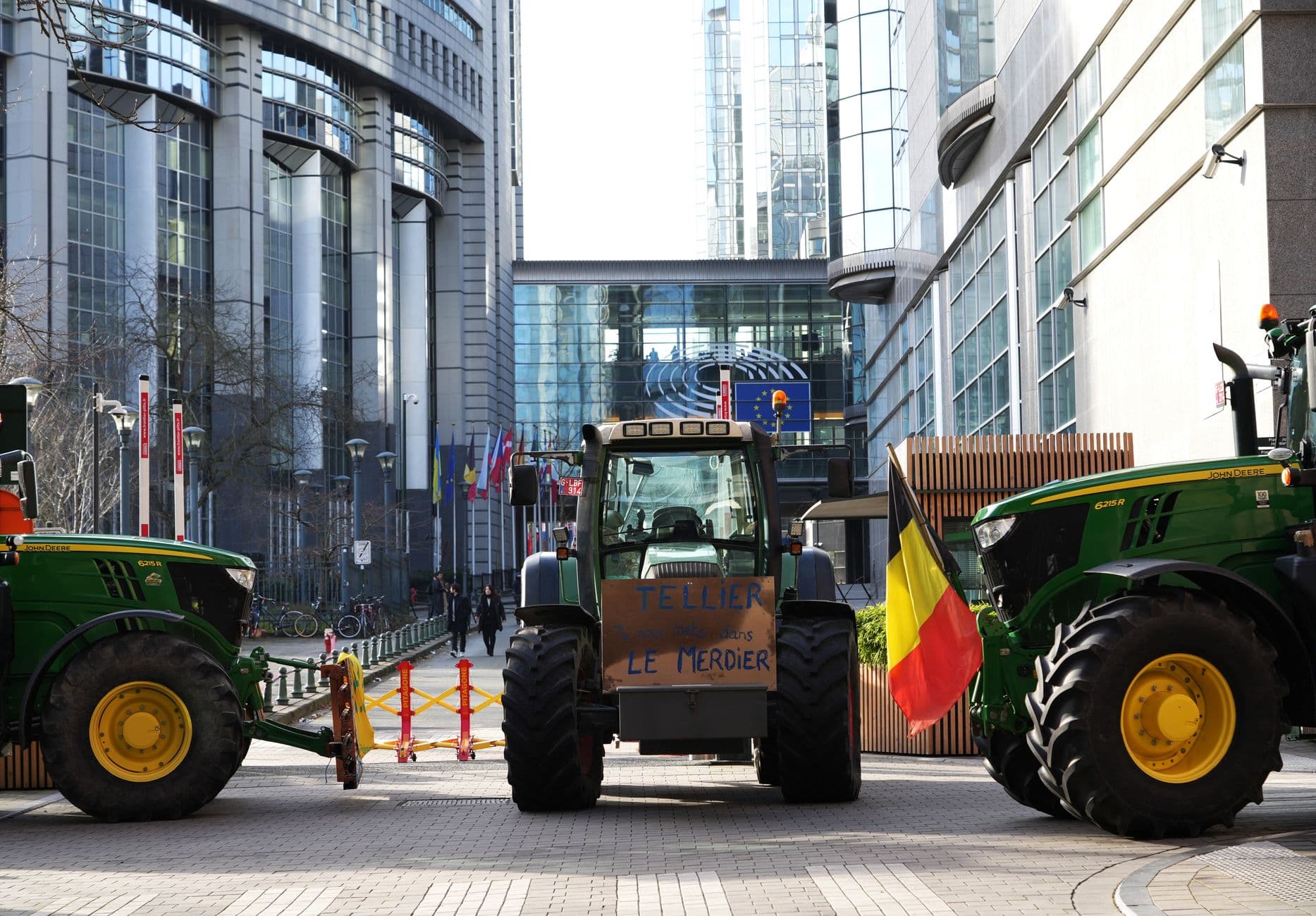
There is a specific kind of magic in a machine that you can fix with a wrench and a bit of grease. For decades, that was the unspoken contract of the American economy: you trade capital for a physical asset, and that asset belongs to you until it rusts into the earth. But lately, I’ve been noticing a quiet, digital erosion of that concept. The FTC’s settlement with John Deere over the "Right to Repair" isn't just about farmers getting to plug in their own diagnostic tools; it’s a peek into a much weirder reality where physical objects are becoming mere husks for proprietary code.
I find myself wondering how we reached a point where a $500 sensor can brick a machine the size of a suburban house. When a manufacturer uses software locks to prevent independent repairs, they aren't just protecting intellectual property. They are effectively rewriting the rules of depreciation. Usually, an asset loses value because parts wear out. In the modern era, an asset loses value because the manufacturer decides to stop supporting the version of the OS that makes the hydraulic lift move.
It makes me curious about the internal accounting at these firms. If a company like John Deere can command a 20% to 30% margin on service because they are the only ones allowed to touch the software, is the tractor even the product anymore? Or is the tractor just a very expensive delivery mechanism for a mandatory subscription service? We’ve seen this in software for years, but seeing it in heavy steel feels different. It feels heavier.
The math of the digital fence
If you look at the numbers, the incentive for this "Software-as-a-Service" (SaaS) pivot is staggering. Traditional hardware sales are cyclical and messy. Service revenue, however, is a beautiful, straight line that goes up and to the right. By locking the repair ecosystem, a manufacturer ensures that the Total Cost of Ownership (TCO) stays high and predictable for them, while remaining volatile for the buyer.

Photo by Tima Miroshnichenko on Pexels
I’m fascinated by how this affects the resale market. In a world where the Right to Repair is restricted, a ten-year-old tractor might be worth zero not because the engine is dead, but because the software is obsolete. That changes the entire valuation model for industrial assets. If a farmer can’t pass down a working machine because the server it needs to "check in" with has been decommissioned, the very idea of generational wealth in agriculture starts to look a bit shaky.
- Monopolized Diagnostics: Only authorized dealers have the "key" to talk to the engine.
- Parts Pairing: Replacing a physical part requires a software handshake that only the manufacturer can perform.
- Artificial Obsolescence: Software updates that hardware can no longer support, effectively killing the machine.
Why does the FTC care now?
It’s interesting to think about why the regulatory dam is finally breaking. For a long time, the argument was about safety and environmental standards. Manufacturers claimed that if you let a farmer mess with the code, they’d bypass emissions sensors or turn up the horsepower until the engine exploded. It’s a compelling argument until you realize that people have been modding engines since the internal combustion engine was invented.
What changed, I think, is the sheer scale of the friction. When the wait time for an authorized technician to come out and press "Enter" on a laptop is three days during a harvest window, the economic cost becomes too high to ignore. A single day of downtime during peak season can cost a farm tens of thousands of dollars. The FTC isn't just protecting a hobbyist's right to tinker; they are trying to prevent a systemic bottleneck in the food supply chain caused by digital gatekeeping.
I wonder if this settlement will ripple out into other industries. Will we see the same logic applied to medical devices or electric vehicle batteries? If the FTC can successfully argue that software locks are an unfair restraint of trade in the cornfields of Iowa, it’s hard to see why that wouldn’t apply to a hospital in Boston or a driveway in California. We are testing the limits of what "property" means in the 21st century.
What This Actually Means
This settlement is a signal that the "black box" era of manufacturing might be hitting a ceiling. For the last decade, the trend has been toward more complexity and less transparency. We’ve been told that modern machines are too complicated for us to understand, so we should just pay the subscription fee and stay out of the way. But the Right to Repair movement is a fundamental pushback against that narrative. It’s an assertion that if you can’t open it, you don’t own it.
From a market perspective, this could actually stabilize the value of used equipment. If independent shops can once again compete to keep these machines running, the floor for used asset prices rises. It’s a win for the buyer’s balance sheet, even if it’s a hit to the manufacturer’s high-margin service dreams. We are moving back toward an economy where the value of a thing is based on its utility, not its proximity to a proprietary server.
Ultimately, I’m left thinking about the relationship between the person and the tool. There’s a dignity in being able to maintain the things you rely on for your livelihood. By prying open these software locks, we aren't just fixing tractors; we are reclaiming a bit of agency in a world that is increasingly hidden behind digital curtains. It’s a small victory for the wrench over the password.
Quick Answers
Does this mean farmers can rewrite tractor software?
No, the settlement generally focuses on access to diagnostic tools and the ability to perform repairs, not necessarily the right to modify emissions code or core safety features.
Will this make tractors cheaper?
Unlikely in the short term, but it should lower the lifetime cost of ownership by introducing competition into the repair market and reducing downtime.
Is John Deere the only company doing this?
Not even close. This model is prevalent in everything from smartphones and laptops to specialized medical imaging equipment and luxury cars.