The Alchemy of the Discarded
I’ve been staring at a dead smartphone on my desk and wondering if it’s actually a tiny, high-grade mineral deposit. For decades, the narrative of the green transition has been one of scarcity and frantic digging—bolting across the globe to find the next salt flat in Chile or a hard-rock mine in Australia. But Japan’s recent breakthrough in recovering up to 90% of lithium from used EV batteries suggests we might have been looking in the wrong direction. We’ve been focusing on the crust of the Earth when we should have been looking at the piles of scrap behind our warehouses.
What fascinates me isn't just the chemistry, which involves a specialized electrolysis process to pull ions through a membrane, but the sheer efficiency of it. Historically, recycling lithium was a messy, expensive afterthought that often cost more than just buying new ore. If this new method scales, the 'yield' from a pile of old Teslas becomes more predictable and more accessible than a new mine that takes ten years to permit. It makes me wonder if we’re witnessing the birth of a truly closed loop, where the 'mine' is simply the previous generation of technology.
Sovereignty Without a Single Mine
Japan is a country with almost no natural mineral wealth, which makes this specific invention feel like a survival mechanism. By perfecting 'urban mining,' they are essentially trying to engineer their way out of a geopolitical chokehold. Currently, the world depends on a very small handful of players for battery-grade lithium. If you can recover 90% of what you’ve already imported, your need for fresh, volatile imports drops off a cliff.
I keep thinking about the term 'resource sovereignty.' We usually associate that with having oil in the backyard or gold in the hills. But in a world where Japan can harvest its own electronic waste to fuel its next fleet of cars, sovereignty becomes a matter of technical prowess rather than geological luck. It’s a shift from 'what do we have?' to 'what can we keep?' This isn't just a win for the environment; it’s a massive hedge against the next global supply chain collapse.
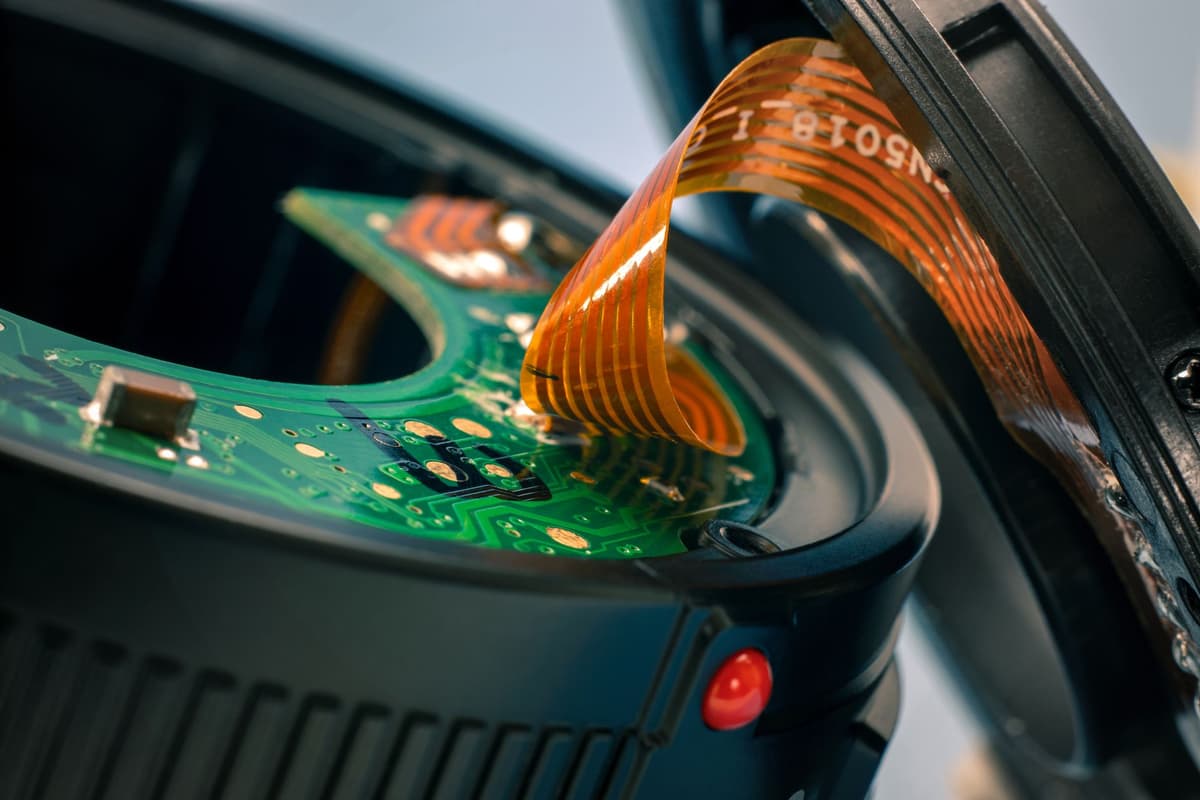
Photo by Katja Burger on Pexels
The Math of the Circular Economy
To put numbers to this curiosity, the global lithium-ion battery recycling market is projected to hit roughly $18 billion by 2030, but that was based on older, less efficient tech. When you jump from recovering 50% of the material to 90%, the economic gravity shifts. Suddenly, the 'waste' isn't a liability you pay someone to haul away; it’s a feedstock that is more concentrated than the raw ore found in nature.
- Raw lithium ore usually contains about 1-2% lithium.
- A spent EV battery is essentially a concentrated 'ore' of refined materials.
- High-yield recovery means we stop losing the 'interest' on our initial resource investments.
If we treat every battery as a temporary storage vessel for minerals rather than a consumable product, the entire concept of a 'commodity' changes. We aren't consuming lithium; we're just borrowing it for a few years. It makes me wonder if, in fifty years, the idea of digging a new hole in the ground for minerals will seem as primitive as hunting for food instead of farming it.
What This Actually Means
This breakthrough suggests that the 'Great Resource War' everyone predicts might be shorter than we think. If the leading tech nations can successfully pivot to urban mining, the leverage held by mineral-rich nations starts to evaporate. We’ve seen this pattern before with synthetic materials, but doing it with fundamental elements like lithium is a different beast entirely. It turns every city into a potential mine and every landfill into a strategic reserve.
I’m curious to see how quickly this tech migrates out of the lab. The challenge with these high-yield processes is always energy consumption—does it take more power to recover the lithium than the battery will eventually hold? Japan seems confident it doesn't. If they're right, the future of energy isn't just about where we get it, but how well we hold onto the pieces we already have. We might finally be moving past the 'take-make-waste' era into something that looks a lot more like a permanent inventory.
Quick Answers
Is this the same as traditional recycling?
No, traditional methods often prioritize cobalt and nickel while losing most of the lithium to slag; this method specifically targets high-purity lithium recovery.
Will this make EVs cheaper?
In the long run, yes, because it stabilizes the supply of the most expensive component—the battery—by reducing reliance on volatile raw material markets.
Does Japan own the rights to this?
While Japanese institutions like JAEA developed the specific 'LiSMIC' method, the race is global, with companies in the US and Europe also scrambling to catch up to these 90%+ yields.