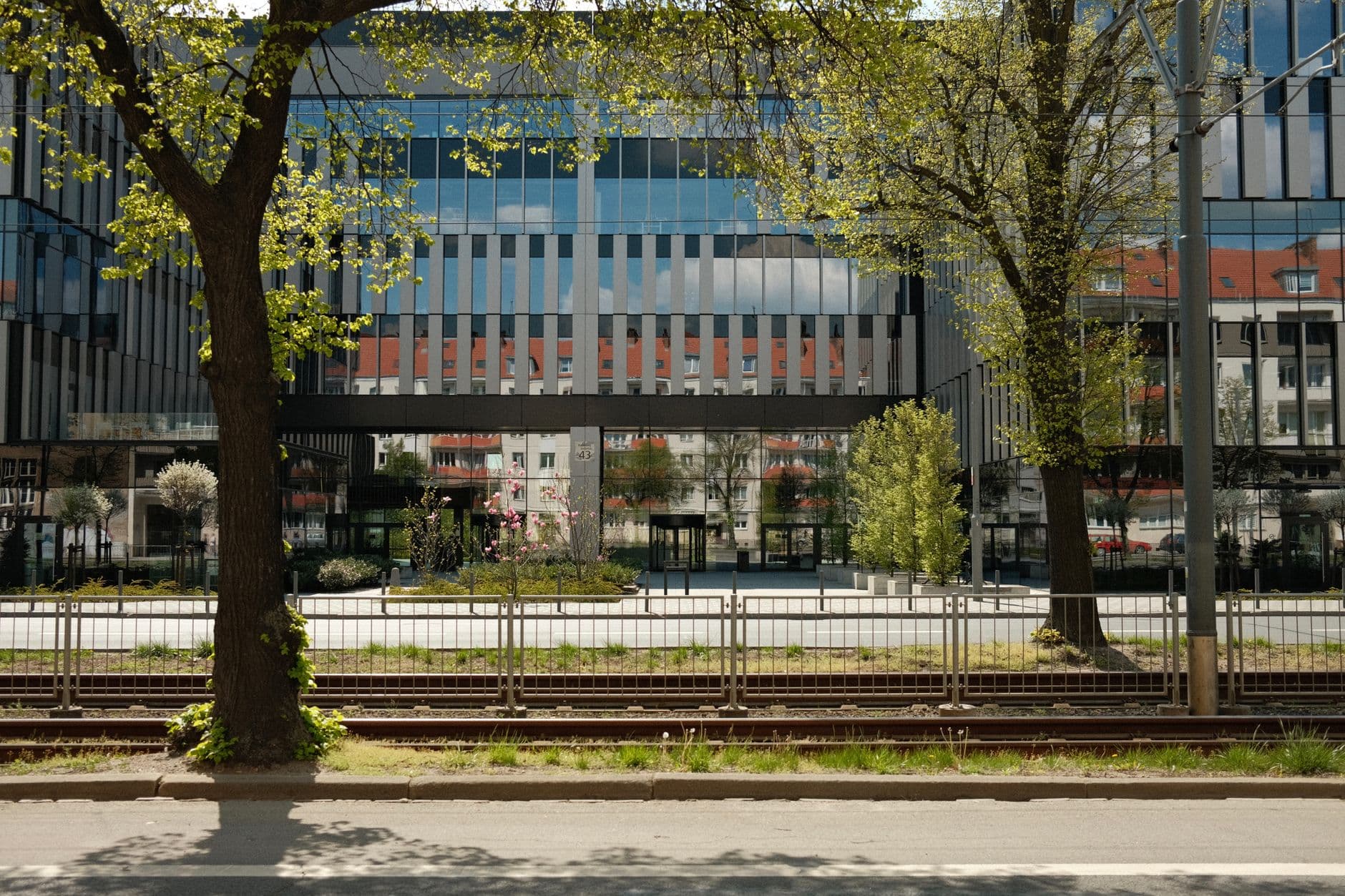
The Platform as the New Piazza
There is something fundamentally different about the person who spends seven weeks traversing 13 countries via the Interrail network. They aren't tourists in the traditional sense; they are inhabitants of a thin, metallic thread that stretches from Lisbon to Istanbul. I find myself wondering if we are witnessing the birth of a new kind of citizen—the rail-native. For these people, the city doesn't start at the museum or the historic square. It starts and ends at the station, and that shift is beginning to leak into the very concrete of our streets.
Urban planners used to treat train stations like airports: places you leave as quickly as possible. You arrive, you dodge the pigeons, you find a taxi, and you head 'into the city.' But look at the redevelopment of Berlin Hauptbahnhof or the massive renovations around London King’s Cross. These aren't transit hubs anymore. They are becoming self-contained ecosystems where the distance between your bed, your office, and the 09:15 to Prague is measured in steps, not miles.
Designing for the Hyper-Mobile Soul
What happens to a city when its primary social center is a transit terminal? We’re seeing the rise of 'Station-Centric Micro-Districts.' These are neighborhoods built with the explicit understanding that the residents might not be there next Tuesday. It sounds cold, but there’s a strange, kinetic beauty to it. It’s an architecture of flow rather than stasis. I’m curious if this actually solves the loneliness of the modern city or if it just makes our transience more efficient.
- Residential blocks are being integrated directly into station superstructures.
- Co-working spaces are replacing traditional ticket halls.
- Logistics hubs are being tucked under platforms to service a 'delivery-first' lifestyle.
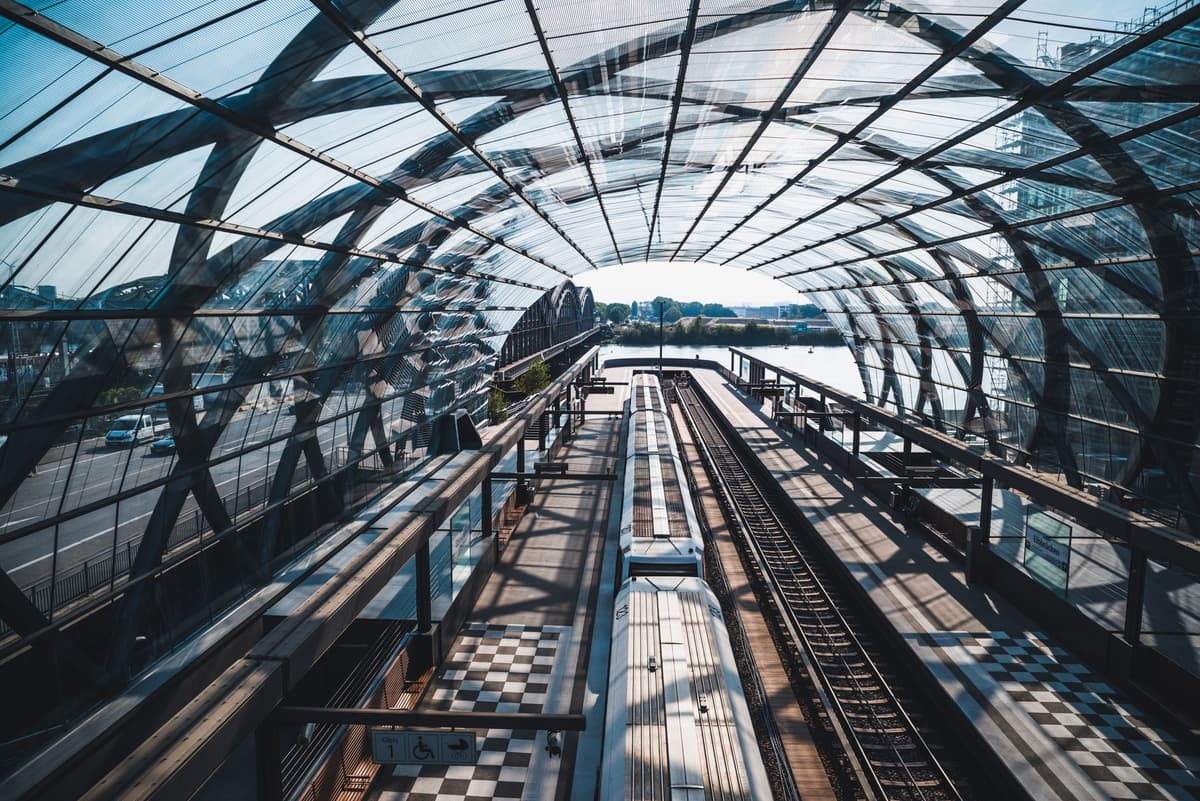
Photo by Tim Diercks on Pexels
If you live in one of these micro-districts, your 'neighborhood' isn't the three blocks around your apartment. Your neighborhood is a network of similar districts connected by high-speed rail. You might have more in common with someone living at the Utrecht Centraal hub than someone living in a traditional suburb five miles away from you. We are redrawing the map based on travel time instead of geography.
The $1.2 Trillion Infrastructure Bet
European nations are pouring billions into rail—the EU's 'Green Deal' alone implies a massive shift toward track over tarmac. But the real investment isn't just in the rails themselves; it's in the land value surrounding them. In some cities, the land within a 500-meter radius of a major rail hub has seen value increases of over 40% compared to the city average. This isn't just a trend; it's a total gravitational shift of urban capital.
I wonder if this marks the end of the 'destination-based' city. For decades, we built cities around the idea that people go somewhere to stay. Now, we are building them for people who are always in the process of going. It’s a radical rethink of the '15-minute city' concept. In this version, the 15 minutes doesn't just get you to the grocery store; it gets you to the platform that connects you to the rest of the continent.
What This Actually Means
We are moving toward a 'Liquid Urbanism.' The Interrail pass is no longer a ticket for a summer vacation; it’s a membership card for a decentralized mega-city that spans an entire continent. This 6,379km journey is a stress test for a new way of living where the 'center' of the city is a moving target. It challenges our deep-seated need for roots and suggests that maybe, for a new generation, the tracks are the roots.
If the station becomes the primary residential and social center, the traditional city center risks becoming a hollowed-out theme park for tourists. The real life, the messy, vibrant, productive life, will be happening on the periphery of the tracks. We are building a world where 'home' is a service you subscribe to, accessible at any stop along the line. It’s an unsettling, thrilling, and profoundly strange evolution of how we occupy space on this planet.
Quick Answers
Is this just for digital nomads?
No, it’s becoming a structural reality for anyone working in high-density European corridors where rail is faster than flying. It’s about infrastructure-led lifestyle changes, not just laptop-wielding travelers.
Won't station districts be too noisy to live in?
Modern acoustic engineering and 'floating' building foundations are making it possible to build silent apartments literally on top of active tracks.
Does this kill local culture?
It risks creating a 'generic' European aesthetic, but it also creates a new, shared 'rail culture' that transcends national borders in a way we haven't seen since the pre-car era.