The novelty of the digital oracle has expired, replaced by a heavy, soul-sapping exhaustion. When we first engaged with Large Language Models (LLMs), the thrill was rooted in the illusion of a partner in thought—a mirror that talked back. But after eighteen months of constant interaction with ChatGPT, Claude, and Gemini, the mirror has become a cage. We are trapped in a feedback loop of hyper-polite, structurally predictable, and fundamentally hollow responses that offer the appearance of utility while stripping away the texture of genuine communication.
This is not merely a complaint about repetitive prose; it is a psychological shift. We are experiencing a specific form of burnout born from the absence of friction. Every interaction with an AI is a transaction of compliance. The model is designed to be helpful, harmless, and honest—a triad of virtues that, when scaled to billions of tokens, results in a conversational landscape that is as sterile as a surgical theater. We are losing our tolerance for the unpredictable nature of human thought because we are being conditioned by the algorithmic safety of the machine.
The Architecture of Artificial Deference
At the core of this fatigue is the structural formula of the LLM response. Almost every output follows a rigid cadence: the affirmative opening, the bulleted list of middle-ground perspectives, and the non-committal, synthesizing conclusion. This isn't just boring; it's cognitively taxing. To read an LLM response is to perform the labor of filtering through layers of verbal padding to find the single grain of useful information. We are forced to be the editors of a tireless, mediocre intern who never learns from their mistakes because their personality is a hard-coded set of safety guardrails.
This performative cheerfulness is perhaps the most alienating factor. In a world where human discourse is often sharp, difficult, and demanding, the AI greets every query with the same unblinking, sun-drenched optimism. It is a customer service voice that never ends. When you ask a difficult philosophical question and receive a response that begins with "That's a fascinating perspective!", you aren't being engaged; you are being managed. This is the "uncanny valley" of personality—a simulation of empathy that feels increasingly like a mockery of it.

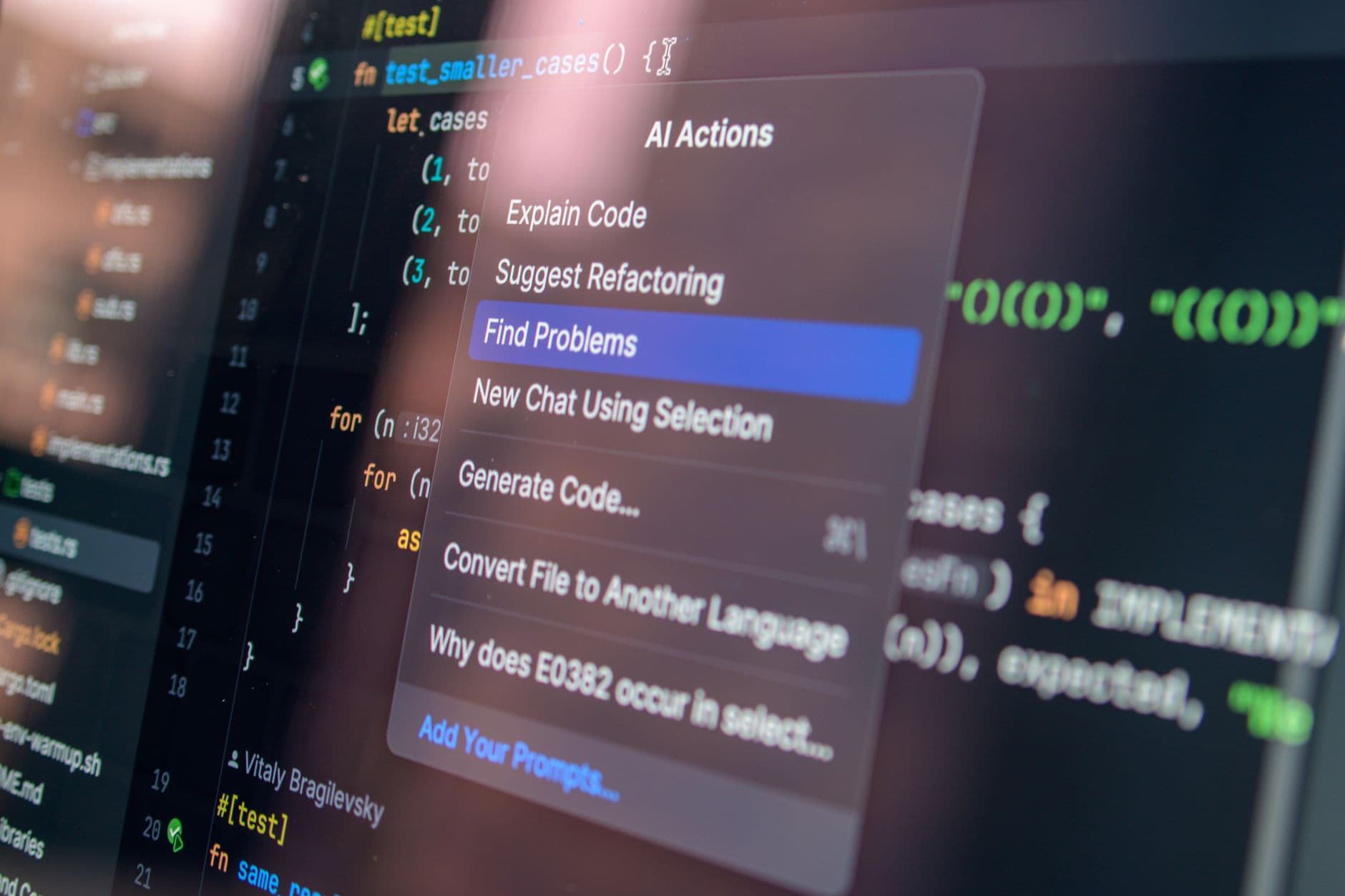
Photo by www.kaboompics.com on Pexels
The High Cost of Frictionless Thought
Efficiency is the enemy of depth. By removing the struggle to articulate ideas, we are atrophying the very muscles required for original thought. Since the launch of ChatGPT in November 2022, the volume of synthetic text in our digital ecosystem has exploded, creating a world where we are constantly consuming prose that was never actually "thought" by anyone. It was calculated. This lack of intent behind the words creates a sense of profound isolation. You are reading a sequence of high-probability tokens, not the result of a lived experience or a conviction.
- Cognitive Smoothing: We are becoming accustomed to answers that arrive without the labor of research or the discomfort of doubt.
- The Death of Nuance: LLMs are trained on consensus. They shy away from the edges of discourse where the most interesting human ideas live.
- Relational Erosion: As we use these tools to draft emails, Slack messages, and even personal notes, we are exporting our humanity to a template, making our social connections as formulaic as the software we use.
We are seeking out "friction-rich" environments—analog hobbies, voice notes, hand-written letters—not out of nostalgia, but as a survival mechanism. We need to feel the resistance of another mind. Without that resistance, our own identity begins to feel blurred, lost in a sea of $0.01-per-thousand-token garbage that says everything and means nothing.
The Withdrawal into the Physical
This burnout is triggering a mass migration toward the un-optimizable. There is a growing premium on the "un-AI-able" aspects of life: the stutter, the tangent, the unpopular opinion, and the physical presence. We are realizing that the $300 billion being poured into AI development is building a world that is incredibly efficient at solving problems but catastrophic at providing meaning. The more the AI tries to mimic us, the more we feel the need to distinguish ourselves by being difficult, unpredictable, and inefficient.

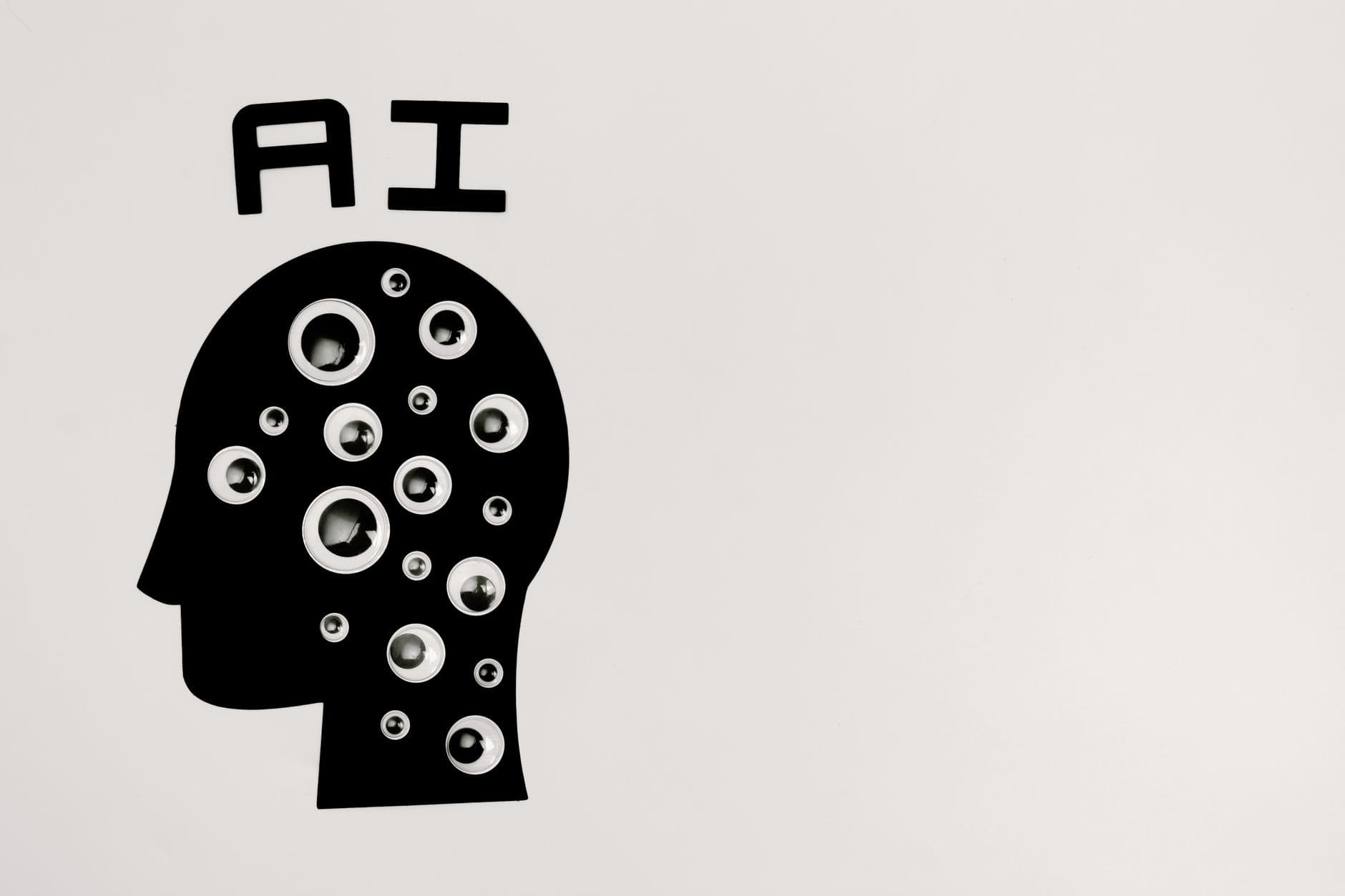
Photo by KoolShooters on Pexels
We are tired of being agreed with. We are tired of the summary. We are tired of the five-point list that covers "both sides" of a tragedy or a triumph. The digital alienation we feel is the realization that we have built a mirror that only reflects the most boring parts of our collective data, leaving the soul of the human experience entirely out of the training set.
What This Actually Means
This burnout signals the end of the AI honeymoon and the beginning of a much harder era. We have to decide if we are willing to trade the richness of human friction for the convenience of synthetic compliance. If we continue to saturate our lives with LLM-generated content, we risk a future where our primary mode of communication is a series of polite, empty gestures. We will be more "productive" than ever, yet we will have nothing left to say to one another.
To combat this, we must intentionally reintroduce difficulty into our lives. We need to stop using LLMs as a shortcut for thinking and start using them only as a utility for the mundane. The value of a human voice lies in its fallibility and its willingness to be wrong, to be angry, or to be silent—none of which a programmed assistant can ever truly achieve.
Ultimately, the fatigue we feel is a healthy response. It is our humanity rejecting a diet of digital saccharine. The exhaustion is a signal that we are starving for something real. It is time to listen to that signal and walk away from the screen, seeking out the people and the ideas that don't have a "helpful" conclusion or a pre-defined structure. We need the mess.
Quick Answers
Is LLM burnout a permanent shift or a temporary phase?
It is a structural shift in how we perceive digital value, marking the moment we prioritize human authenticity over sheer output volume.
Why does AI-generated text feel so draining to read?
It lacks the "spark of intent" and follows predictable patterns, forcing your brain to work harder to find meaning in a sea of filler.
How can we maintain our cognitive health in an AI-saturated world?
By strictly limiting AI to administrative tasks and ensuring our creative and social endeavors remain intentionally difficult and human-centric.