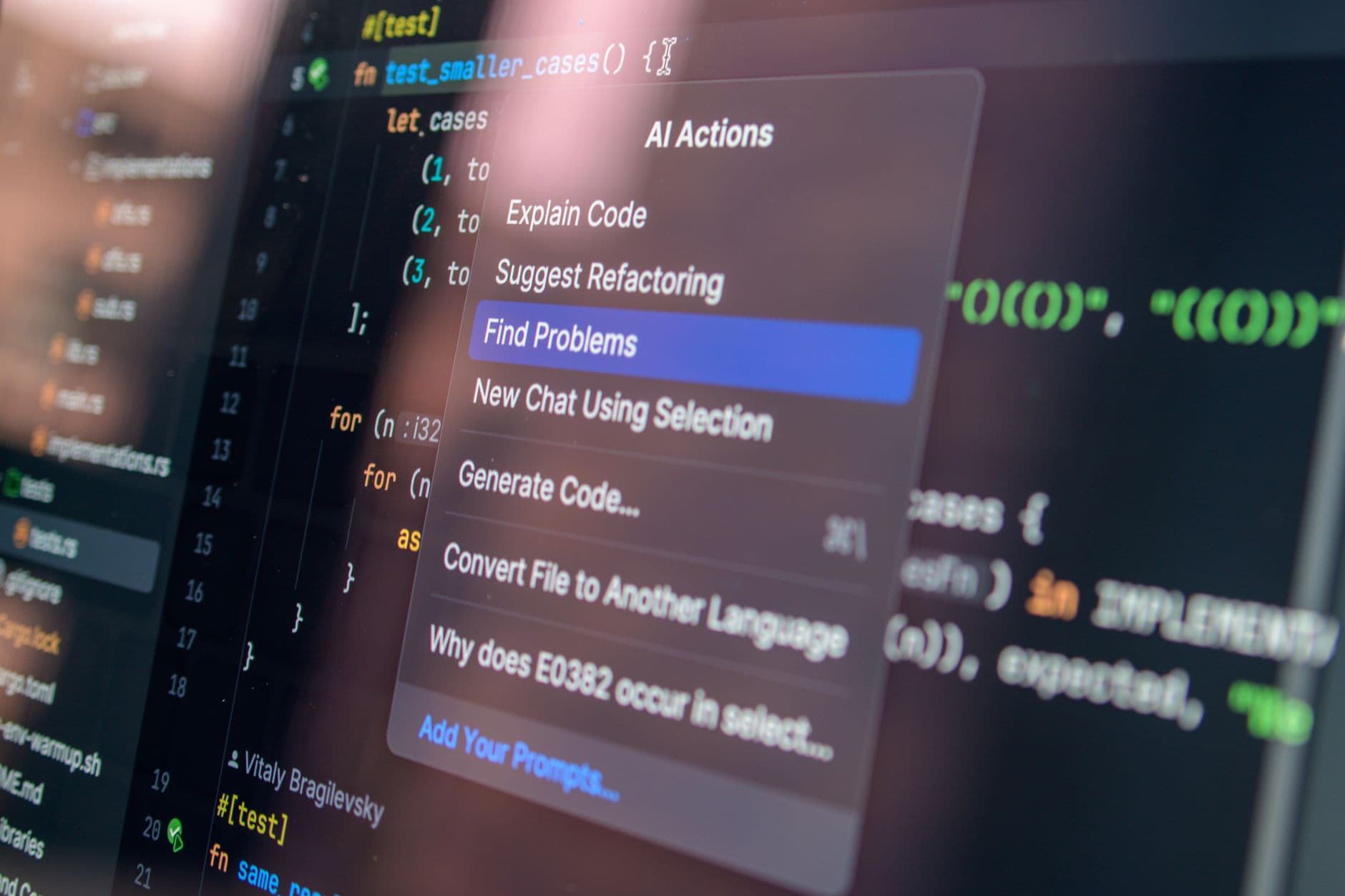
We did it. We finally optimized the pesky, inefficient act of reading right out of our brains, replacing centuries of literary culture with the highly efficient “F-pattern” eye-twitch. It turns out that demanding our brains process actual paragraphs was a massive design flaw of the Gutenberg era, and we have successfully patched it.
Now, we are forced to treat the basic act of reading a book like a high-altitude mountaineering expedition. Adults with advanced degrees are buying locked plastic safes for their phones just so they can get through three pages of a paperback without experiencing physical withdrawal symptoms.
The Glorious Efficiency of the F-Pattern
For those who haven't read the scientific literature—and let's be honest, you scanned the abstract for bolded words—human eyes on the internet do not move left-to-right anymore. Instead, we scan in an 'F' shape. We read the top line, skim halfway down, read a shorter horizontal line, and then plunge vertically down the left margin like a stone dropped in a well.
It is a beautiful system. It allows us to dismiss nuance, context, and beauty in approximately 1.2 seconds flat. Why bother with the author’s tedious buildup when you can just jump to the bulleted list at the bottom?
- This is how we live now.
- Everything must be a list.
- If it is not a list, it does not exist.
This neurological rewiring is a triumph of modern engineering. We have successfully trained our neuroplasticity—the brain's ability to physically reorganize itself—to treat sustained attention as a hostile threat. The moment a sentence dares to contain a subordinate clause, our internal panic button gets pressed, demanding we open a new tab to check if anyone has liked our latest misery-post.
The $4,000 Offline Typewriter Solution
Because we are incapable of self-regulation, a booming industry has emerged to sell us back the focus we voluntarily surrendered. Consider the rise of 'minimalist' word processors like the Astrohaus Freewrite, a device that costs up to $1,000 and does literally nothing but display text on an e-ink screen. It has no internet browser, no email, and no distractions.
We have reached the pinnacle of consumer capitalism: paying four figures to buy a keyboard that has been lobotomized so we can do what a $20 typewriter did in 1950.
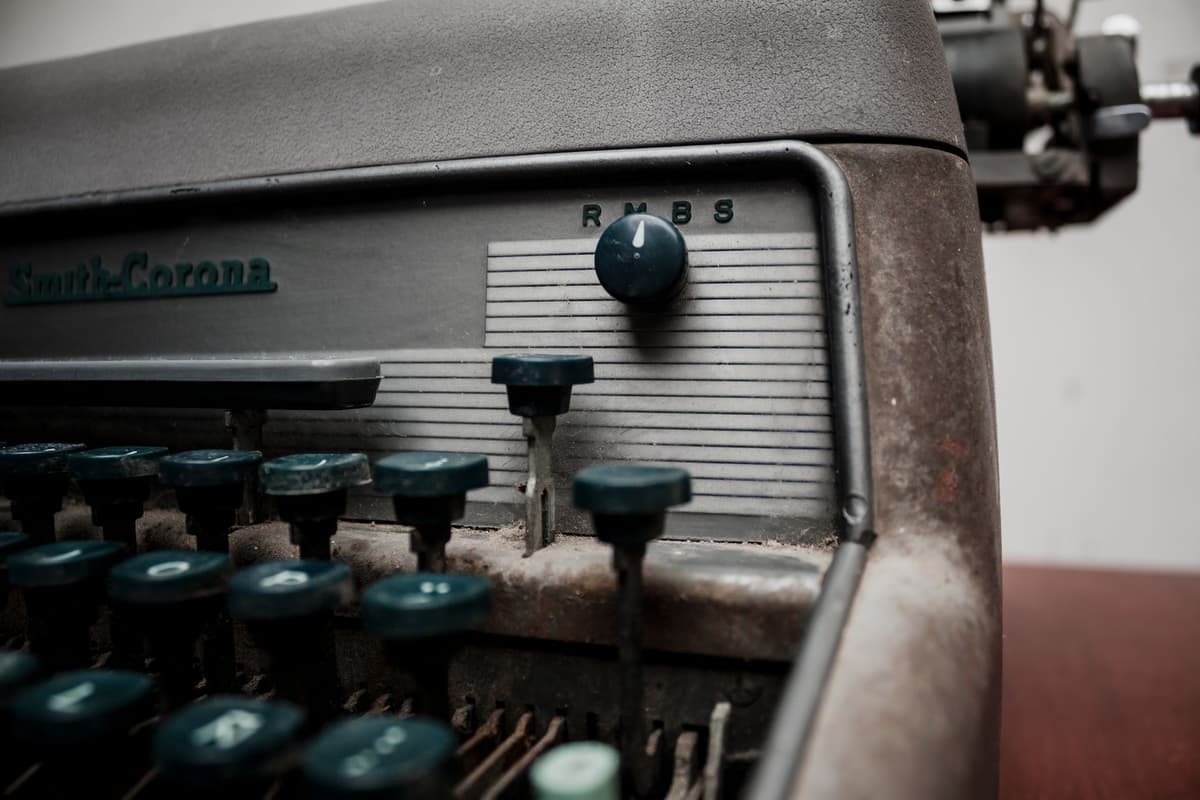
Photo by Arturo Añez. on Pexels
It gets better. People are now enrolling in 'digital detox' retreats where they pay thousands of dollars to have a stranger lock their phones in a canvas bag for seventy-two hours. We are literally paying rent on analog prisons because our prefrontal cortexes have been turned into warm soup by infinite-scroll algorithms. We call this 'cognitive rehabilitation,' which is a very dignified term for 'learning how to look at paper again without crying.'
The Rise of the High-Bandwidth Slop-Feeder
We cannot blame ourselves entirely, of course. We must credit the high-bandwidth information agents—the algorithms designed by rooms full of PhDs whose sole job is to keep our eyeballs glued to the glass. They realized that deep reading is a low-margin activity. You cannot serve a targeted ad for athletic greens to someone who is currently lost in the middle of War and Peace.
So, they rebuilt the information ecosystem to reward the twitch. Every piece of content is now optimized for the skim. News sites break up simple sentences into single-sentence paragraphs to keep you moving down the page past the banner ads.
We are fed a constant diet of pre-chewed information, and then we wonder why our cognitive teeth are falling out. We have outsourced our memory to search engines and our synthesis to LLMs, leaving us with brains that are incredibly fast at finding everything and completely incapable of holding onto any of it.
What This Actually Means
We are witnessing the quiet death of the long-form thought. When we lose the ability to read deeply, we lose the ability to think deeply. The complex, contradictory ideas that govern human history cannot be expressed in an infographic or a thirty-second video, no matter how energetic the voiceover is.
Instead, we are left with a culture that operates entirely on vibes and headlines. We react to the title of an article we didn't read, based on a summary written by a bot that didn't understand it, posted by someone who only wanted the engagement. It is a closed loop of shallow comprehension.
Perhaps the most ironic part of this entire tragedy is that we are fully aware of it. We buy books about the importance of focus, download apps to track our screen time, and read long-form essays about our inability to read long-form essays. We are deeply concerned about our decaying minds, right up until the moment our pocket vibrates.
Quick Answers
Is digital dyslexia a real medical diagnosis?
No, it is a colloquial term for the acquired cognitive deficit where your brain, conditioned by years of scrolling, treats a page of solid text like an incoming cyberattack.
Can I fix my attention span without buying expensive gadgets?
Yes, but it requires the terrifying, free practice of sitting in a quiet room with a book and resisting the urge to twitch-check your notifications every ninety seconds.
Are audiobooks a valid replacement for deep reading?
Audiobooks are great for laundry, but they do not train the visual focus required to rebuild your brain's capacity for deep, linear literacy.