The Library of Life is Open for Late Returns
There is something fundamentally surreal about the fact that you can now buy a device like the Oxford Nanopore MinION, plug it into a USB port, and watch a sequence of A, T, C, and G base pairs crawl across your screen in real-time. For decades, sequencing a genome was a project of national significance, requiring thousands of scientists, $2.7 billion in funding, and thirteen years of work. Now, the "black box" of biological identity has been cracked open, and the tools are sitting on garage workbenches next to half-finished woodworking projects and rusted bicycles.
I find myself wondering what happens to our collective psyche when the most intimate data we possess—our literal source code—becomes as accessible as a PDF file. We are transitioning from a world where biological truth was handed down by men in white coats to one where we can interrogate the world ourselves. If you find a strange mold in your basement or want to know exactly what species of fish is in that "white tuna" roll, you don't need a permit. You just need a flow cell and some reagents.
Small Holes and Big Implications
The technology here is almost poetic in its simplicity. These devices work by pulling a strand of DNA through a nanopore—a tiny hole in a protein membrane—and measuring the electrical disruption as each base passes through. It’s like identifying different shapes of pasta by pulling them through a keyhole and feeling the resistance. This isn't just a smaller version of an old machine; it is a fundamental shift in how we perceive the microscopic world.
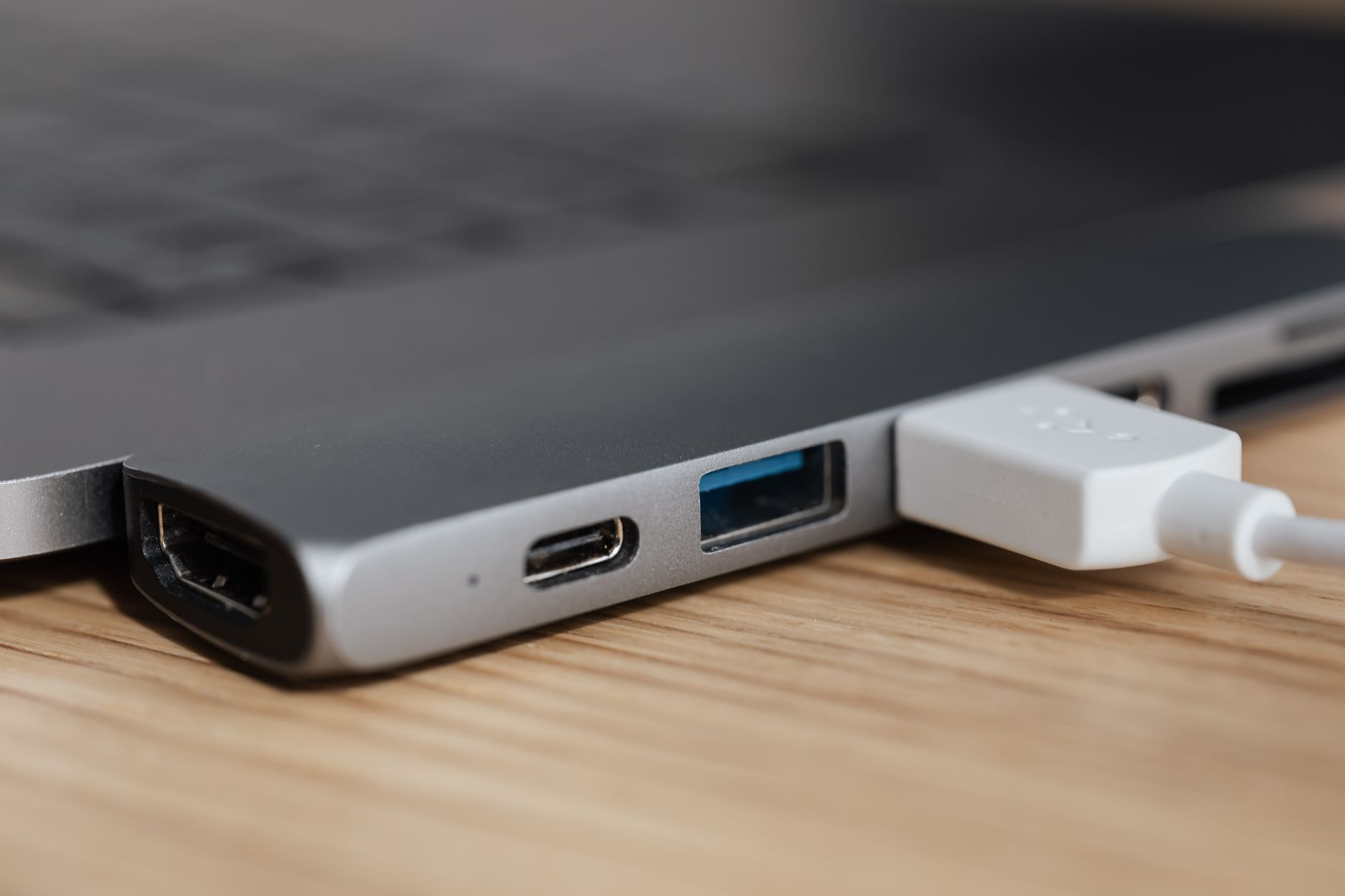
Photo by www.kaboompics.com on Pexels
Think about the sheer volume of data we are about to generate. When sequencing moves from the sterile, controlled environment of a university lab into the messy, chaotic reality of the home, the sample size of human knowledge explodes. We are no longer looking at "The Human Genome." We are looking at billions of individual versions of it, along with the genomes of the bacteria on our skin, the viruses in our breath, and the ancient viral DNA embedded in our very cells.
I wonder if we’re ready for the noise. In a lab, everything is cleaned and calibrated. In a garage, you’re going to get contamination. You’re going to find sequences that shouldn't be there. We are about to enter an era of biological rumors and DIY discoveries where the signal-to-noise ratio might become impossible to manage, but the sheer thrill of the hunt is undeniable.
The End of Biological Secrets
There is a certain tension in the air when you realize that institutional gatekeepers are being bypassed entirely. Traditionally, if you wanted to sequence something, you had to justify it to an ethics board or a grant committee. Now, the only barrier to entry is a credit card and a basic understanding of pipetting. This democratization is beautiful, but it’s also deeply weird. It means our privacy laws, which were built around the idea that DNA sequencing is a rare and expensive medical procedure, are suddenly obsolete.
- What happens when "genetic trespassing" becomes a hobby?
- How do we handle the psychological weight of discovering a predisposition for a disease without a doctor to explain the nuance?
- Can we actually protect our privacy when we leave 50 million skin cells everywhere we walk?
I’m fascinated by the idea of "biological literacy." We’ve spent most of human history treating our internal chemistry as a mystery we can’t influence. Now, we are starting to read the manual. Even if 99% of people who buy these devices never find anything groundbreaking, the 1% who do—the modern-day versions of amateur astronomers or backyard tinkerers—might stumble onto something that a billion-dollar pharmaceutical company missed because they weren't looking in a suburban garden in Ohio.
What This Actually Means
We are moving toward a world where biology is just another branch of information technology. When the MinION launched in 2014, it was a curiosity; today, it’s a catalyst for a decentralized movement that doesn't care about traditional hierarchies. This isn't just about science; it's about agency. It's the realization that we are made of code, and that code is finally accessible to the people who actually own it.
This shift will likely be messy. There will be scares, there will be privacy breaches, and there will be a lot of people misinterpreted their own data. But the alternative—keeping this power locked behind the gates of ivory towers and corporate labs—seems increasingly like a relic of a slower age. The curiosity that drove us to map the stars is now turning inward, and the fact that we can do it from our kitchen tables is nothing short of miraculous.
Ultimately, I suspect we will look back on this moment the same way we look back on the early days of the personal computer. We didn't know then that we’d use them for everything from banking to cat videos; we just knew that having the power on our desks changed the way we thought about the world. Now, we have that same power over life itself. I can't wait to see what we find when we start looking.
Quick Answers
Is it actually legal to sequence DNA at home?
Yes, owning and operating a DNA sequencer is perfectly legal in most jurisdictions, though there are strict regulations regarding what you can do with human samples or certain pathogens.
How much does a starter kit really cost?
An entry-level starter pack for a device like the MinION typically costs around $1,000, which includes the device, flow cells, and enough reagents to run a few experiments.
Can I find out if I have a disease using these devices?
While the raw data can be cross-referenced with medical databases, these are research-grade tools, not diagnostic ones, and interpreting the results without professional training is extremely risky.
Does this mean people can create new viruses in their garages?
Sequencing is just reading DNA, not writing it; while it's a critical tool, the infrastructure required to actually synthesize and "boot up" a new organism is still far beyond the reach of a typical home setup.