Microsoft, Alphabet, and Meta have spent the last decade swimming in so much cash they literally did not know what to do with it. They bought superyachts, built subterranean wellness domes, and acquired messaging apps for $19 billion just because it was Tuesday. But then generative AI showed up, and suddenly, the infinite money glitch stopped working. Turns out, training a model to write mediocre sonnets in the voice of pirate-Socrates requires an ungodly amount of electricity and millions of Nvidia chips that cost $30,000 apiece.
Now, the cash reserves are running dry, and Wall Street is starting to ask uncomfortable questions about when this multi-billion-dollar group chat is going to generate actual revenue. Instead of admitting they are broke, tech companies are inventing bizarre, Rube Goldberg-esque financial instruments to keep buying chips without letting their shareholders see the price tag.
The GPU as a pawn shop asset
If you want to buy a house and you don't have $500,000 in trash bags, you get a mortgage. The bank lets you live there, but if you stop paying, they take the house. This is a normal, boring financial concept called debt. But Big Tech companies hate the word "debt" because it makes them look like regular, mortal companies that might actually fail.
Instead, they are pioneering "synthetic debt" and asset-backed loans using H100 GPUs as collateral. Yes, you read that correctly. They are using microchips—pieces of silicon that will be obsolete in three years—the same way a desperate guy pawns his grandfather’s gold watch to pay rent.
Imagine walking into a bank and asking for a $5 billion loan, offering your collection of 2004 Dell Inspiron laptops as collateral. The bank manager would laugh you out of the building. But because these chips have the letters "N-V-I-D-I-A" stamped on them, private equity firms are throwing money at anyone who owns them. It is a financial fever dream where silicon is the new gold bullion, except gold doesn't melt if the air conditioning unit in Virginia breaks down.
Buying nuclear reactors with couch cushion change
It gets weirder. Training these models doesn't just cost money; it sucks up more electricity than a small European nation. Because tech companies promised they would be "carbon neutral" by some arbitrary date like 2030, they can't just plug these server farms into the local coal grid.
So, they are partnering with energy companies to resurrect dead nuclear power plants. Microsoft recently signed a deal to revive the Three Mile Island nuclear facility—yes, that Three Mile Island—solely to power their AI data centers.
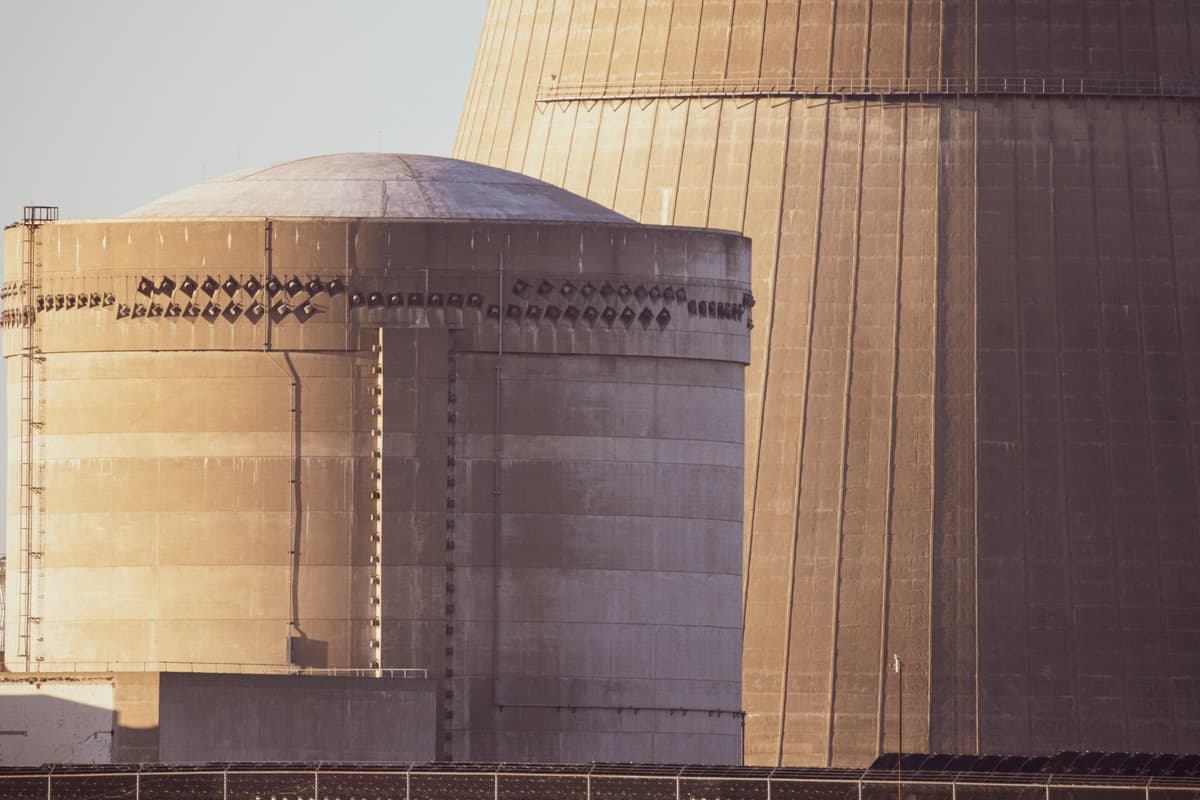
Photo by Sean P. Twomey on Pexels
We have officially reached the point in the sci-fi movie where the mega-corporation bypasses the government and buys its own atomic energy source. Microsoft isn't just a software company anymore; they are a nuclear-powered entity that happens to sell Excel subscriptions. All of this is happening off the balance sheet through complex "joint ventures" so that when investors look at the quarterly earnings report, they just see a clean, smiling corporate logo instead of a glowing, radioactive cooling tower.
The great balance sheet magic trick
Why go through all this trouble? Why not just issue corporate bonds or use some of that sweet, sweet equity? Because Wall Street is a fickle toddler.
If Meta announces they are spending $40 billion on capital expenditures to build a giant warehouse of computers in Ohio, their stock price plunges 15% in ten minutes. Investors want the AI magic, but they don't want to pay for the magic wand.
To keep the stock price high, tech giants use "Special Purpose Vehicles" (SPVs). These are essentially financial cloaking devices. A tech giant partners with a private equity firm to create a separate, fake company. The fake company borrows billions of dollars, buys the GPUs, rents them back to the tech giant, and keeps the debt off the main company's balance sheet. It is the corporate equivalent of stuffing all your dirty laundry into the closet right before your date walks through the front door. "Look how clean my apartment is!" you say, praying they don't open the door and get crushed by a mountain of damp towels.
What This Actually Means
This desperate scramble for synthetic debt tells us two things. First, the physical reality of AI has finally collided with the hype. We were promised a frictionless digital future of pure software, but we ended up with a physical infrastructure crisis involving concrete, copper wire, and uranium. You cannot run the future of human intellect on vibes alone; you need gigawatts.
Second, it shows that the tech giants are terrified of a market correction. By hiding their capital expenditures in these complex joint ventures and asset-backed structures, they are kicking the can down the road. If the AI revenue finally starts flowing, they look like geniuses who pulled off the heist of the century.
But if the world decides that automated email summarization isn't actually worth trillions of dollars, these companies are going to be left holding a massive pile of highly specialized, rapidly depreciating silicon and some very expensive electricity bills. We might be watching the construction of the most expensive monument to overconfidence in human history. At least it will be nuclear-powered.
Quick Answers
What is synthetic debt in the context of AI?
It is a financial loophole where tech companies secure loans using physical GPUs as collateral, keeping the actual debt off their main balance sheets to avoid scaring investors.
Why are tech companies buying nuclear power plants?
AI data centers require massive, uninterrupted streams of electricity, and tech giants need clean energy sources to meet their climate pledges while running these giant server farms 24/7.
Is this another tech bubble?
If the massive financial bets on AI infrastructure don't result in profitable products soon, the companies funding these bizarre debt structures will face a severe financial hangover.