The End of the Asset-Light Illusion
For three decades, the technology sector operated under the comfortable delusion that it existed independently of the physical world. Software was scalable, ethereal, and decoupled from the messy realities of heavy industry. That illusion shattered the moment the first multi-billion parameter models began requiring power loads equivalent to mid-sized cities. We are witnessing a fundamental pivot where the world’s most valuable companies are being forced to transition from writing code to building the most complex energy infrastructure on the planet.
This is not a choice made out of environmental altruism. It is a survival tactic. The traditional electrical grid is buckling under the weight of a projected 4.7% annual growth in data center power demand through 2030. To secure their future, companies like Microsoft, Google, and Amazon are bypassing traditional utilities to directly finance the revival of nuclear power, a move that fundamentally alters the risk profile of the technology sector.
The Three Mile Island Resurrection
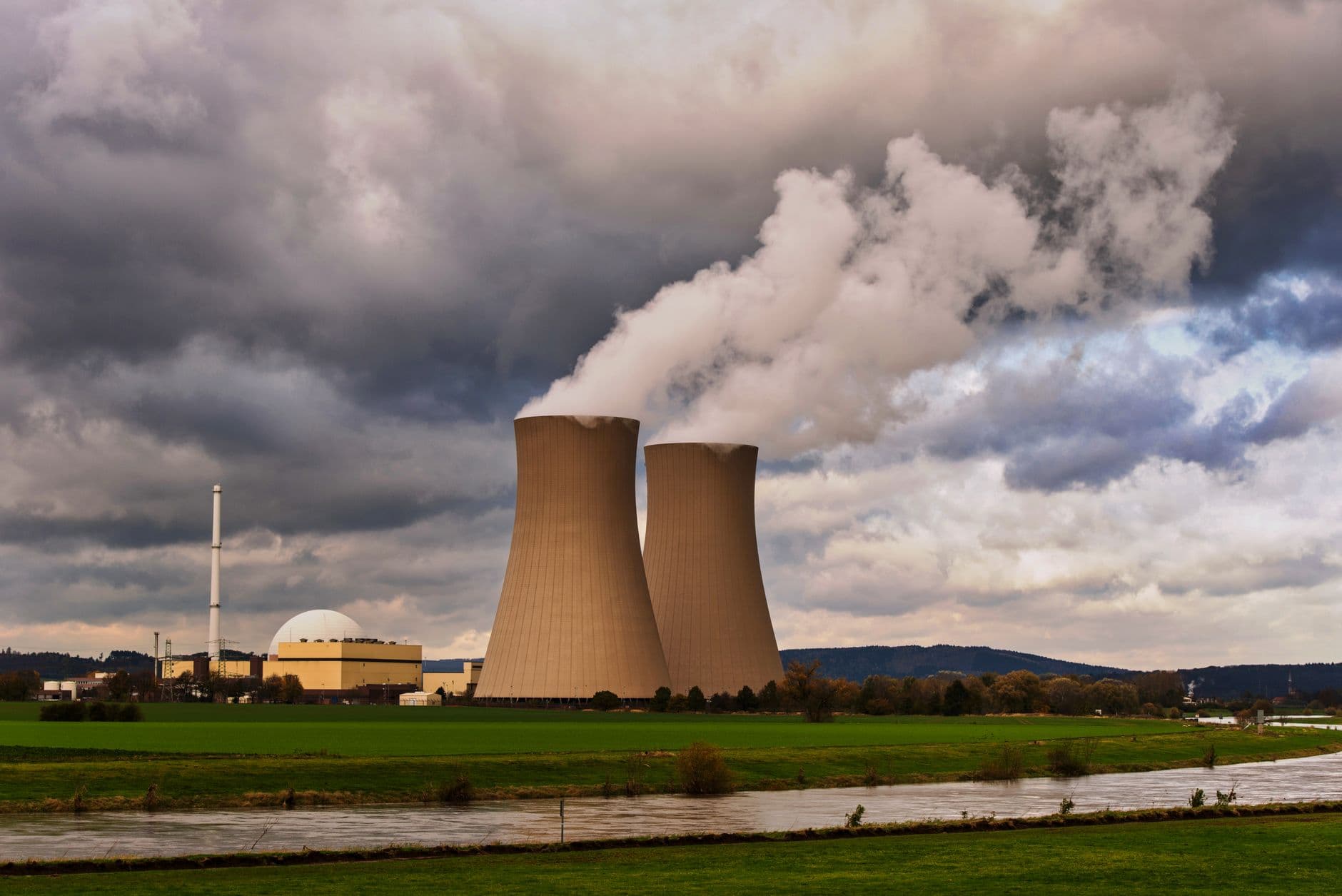
The most striking evidence of this shift is the 20-year power purchase agreement between Microsoft and Constellation Energy to restart Unit 1 at Three Mile Island. This isn't just a contract; it is a $1.6 billion bet on a facility that was decommissioned in 2019 because it couldn't compete with cheap natural gas. Now, the logic of the market has inverted. The reliability of carbon-free, baseload power is suddenly worth more than the cost of refurbishing a dormant reactor.
- The deal will bring 835 megawatts of carbon-free energy back online by 2028.
- It signals a departure from the "greenwashing" era of unbundled Renewable Energy Credits (RECs).
- Tech firms are now acting as the de facto credit backer for the entire nuclear industry.
By committing to decades of energy consumption, these companies are providing the long-term price certainty that private equity and governments have failed to offer for years. We are seeing the privatization of energy policy, where the roadmap for national decarbonization is being drawn in the boardrooms of Redmond and Mountain View rather than in state legislatures.
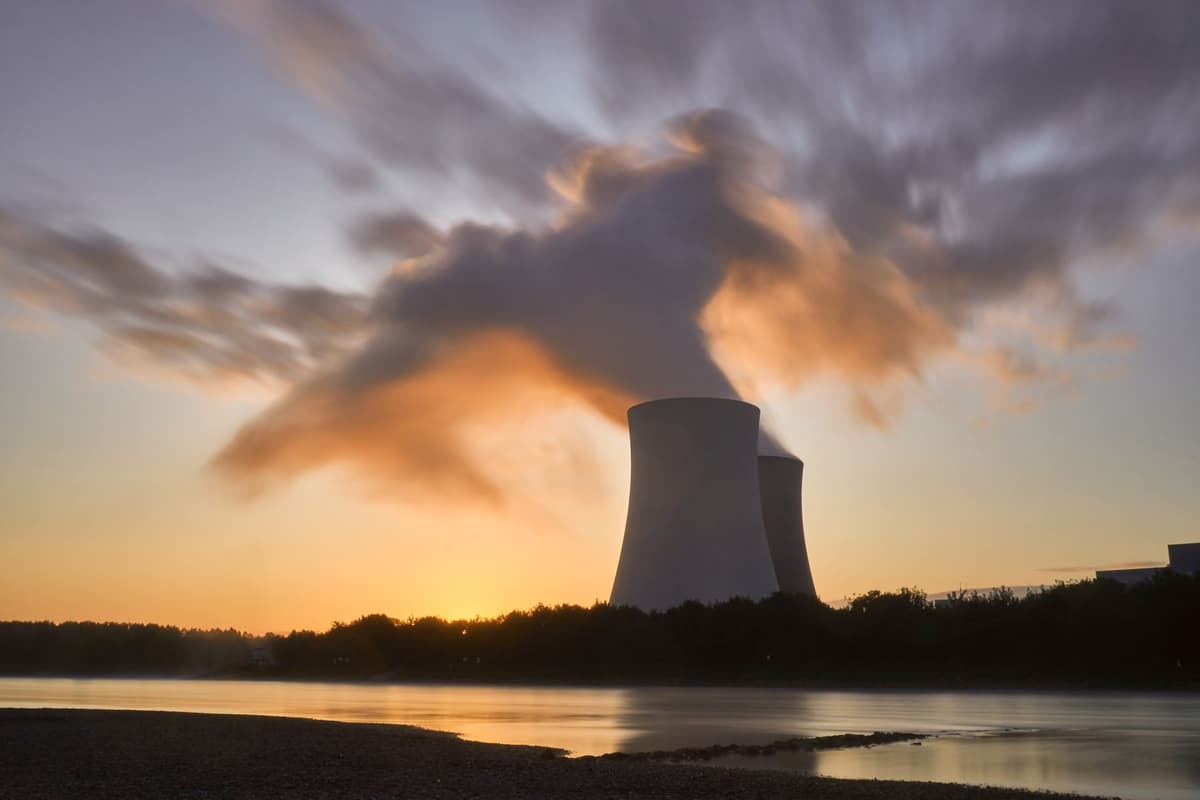
Photo by Markus Distelrath on Pexels
The Infrastructure Paradox
This pivot creates a profound paradox for local environmental policy. On one hand, the tech sector’s deep pockets are accelerating the deployment of next-generation nuclear technology, such as Small Modular Reactors (SMRs). Google’s recent deal with Kairos Power to deploy a fleet of SMRs by 2030 could provide the scale needed to make these technologies commercially viable for the rest of the world.
On the other hand, the sheer volume of energy required threatens to delay the retirement of coal and gas plants. In Northern Virginia’s "Data Center Alley," the demand is so high that utilities are struggling to keep up, leading to tensions between local residents and the tech giants they once welcomed. The environmental cost of AI is no longer a footnote in a sustainability report; it is a visible, physical presence in the landscape, marked by new high-voltage transmission lines and massive substations.
We must acknowledge that this massive capital expenditure on energy infrastructure will inevitably slow down pure software innovation. When a company is spending tens of billions of dollars on terrestrial power plants and cooling systems, that is capital not being spent on R&D for the next breakthrough in algorithmic efficiency. The industry is becoming capital-intensive in a way that resembles the railroad or telecom booms of the 19th and 20th centuries.
What This Actually Means
The convergence of AI and nuclear energy marks the beginning of the "Heavy Tech" era. The competitive advantage in the next decade will not belong to the company with the best software engineers, but to the company with the most secure, high-capacity energy supply. We are moving toward a vertically integrated model where the data center, the chip, the model, and the power plant are all part of a single, interdependent system.
This shift will force a reckoning for environmental regulators. They must decide whether to expedite nuclear permitting to accommodate the AI boom or risk seeing tech companies lean back on fossil fuels to avoid blackouts. The speed of AI development has far outpaced the speed of grid modernization, and the only way to bridge that gap is through the massive, direct intervention of private capital into the energy sector.
Ultimately, the success of artificial intelligence depends on our ability to master the physical world, not just the digital one. The irony is that the most advanced technology humanity has ever created is now tethered to the most traditional form of industrial might: the splitting of the atom.
Quick Answers
Why are tech companies suddenly interested in nuclear power?
AI data centers require a massive, steady supply of "baseload" electricity that solar and wind cannot provide 24/7 without prohibitively expensive battery storage. Nuclear is the only carbon-free option that provides the necessary reliability at scale.
Does this help or hurt the environment?
It is a double-edged sword. It provides the financial backing to revive the nuclear industry and decarbonize the grid long-term, but in the short-term, the massive energy spike can force utilities to keep older, dirtier plants running longer to meet demand.
Will this change how tech companies are valued?
Yes. Investors must now view these companies not just as high-margin software businesses, but as heavy infrastructure players with massive capital expenditures and long-term physical risks associated with energy production and grid stability.