Your Personal Sun, Now With 100% More Venture Capital
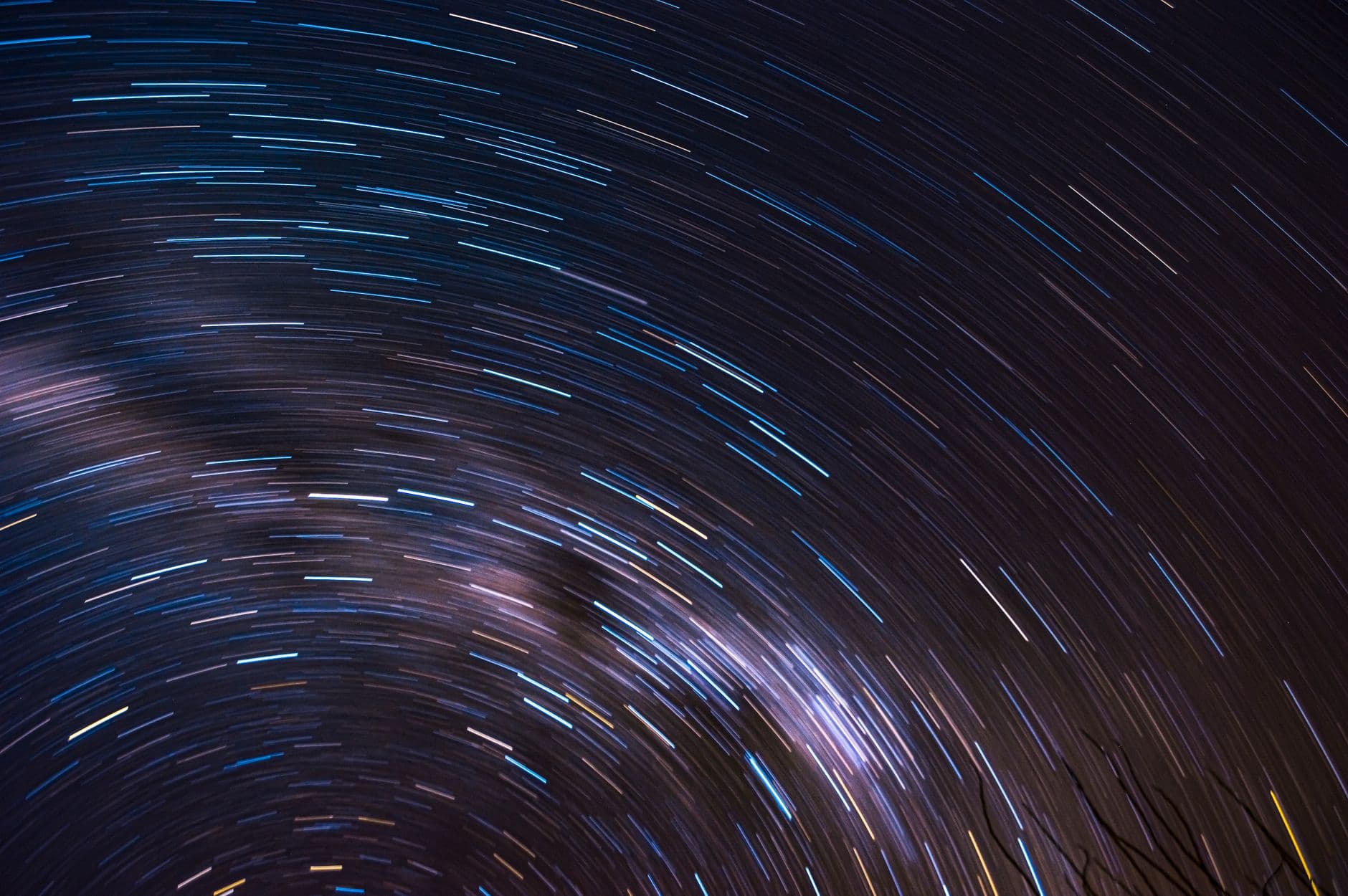
Humanity’s long, national nightmare of seeing the Orion Nebula is finally coming to an end. The FCC recently greenlit a test for orbital reflectors—essentially giant space mirrors—designed to bounce sunlight back down to Earth during the night. Because if there is one thing our species has proven over the last century, it’s that we are desperately underserving the 'blinding white light' demographic. We’ve already managed to erase the stars for 80% of North Americans using nothing but streetlamps and poorly aimed porch lights, but that was amateur hour. To truly finish the job, we had to go to orbit.
Reflect Orbital, the startup behind this particular stroke of genius, wants to sell 'sunlight on demand.' Imagine being a billionaire who thinks the moon is a bit too dim for a late-night gala. Now, for the low price of your soul and several million dollars, you can simply order a localized beam of concentrated radiation to hit your backyard. It’s like Uber, but for making sure the local owl population has a collective nervous breakdown. It’s a bold move to look at a sky that has inspired every religion, calendar, and scientific breakthrough in human history and think, 'This needs more advertising space.'
Evolution Was Just a Suggestion
Biologists are always whining about 'circadian rhythms' and 'nocturnal ecosystems,' as if nature didn't have 4.5 billion years to adapt to a 500-meter shiny Mylar sheet floating 300 miles up. We’re told that migrating birds use the stars to navigate, which sounds like a personal problem they should have solved with GPS by now. If a hatchling sea turtle gets confused by a man-made sun and crawls toward a Marriott instead of the ocean, that’s just the free market of natural selection at work. We shouldn't let a few confused reptiles stand in the way of a tech bro’s dream of never needing a flashlight.
There is something deeply poetic about a species that evolved under the canopy of the cosmos deciding the best use of its technology is to build a giant 'Off' switch for the universe. We spent thousands of years wondering if we were alone in the dark, and now that we’ve realized the dark is quiet and scary, we’re just going to pave it over with glare. It’s the ultimate suburbanization of the solar system. First comes the light, then come the orbital strip malls and the HOA regulations forbidding any planetary nebula that doesn't match the neighborhood's aesthetic.
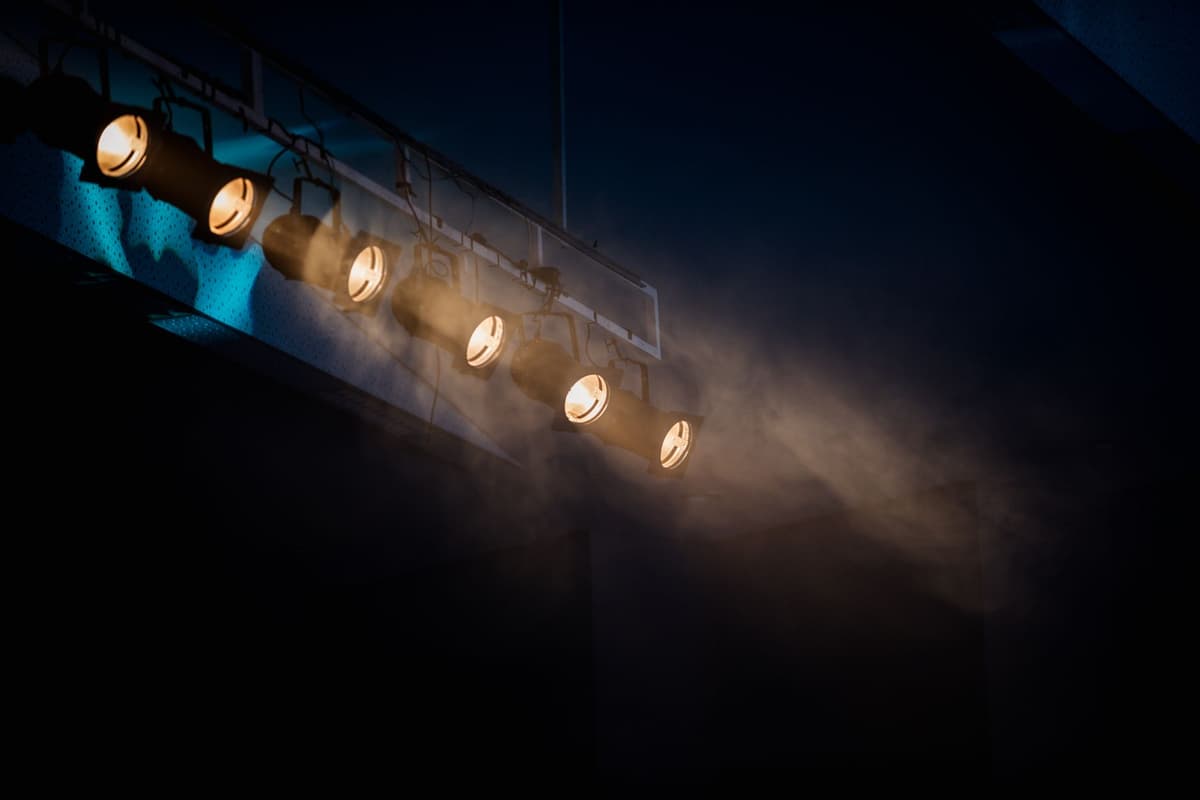
Photo by Filipe Braggio on Pexels
The Astronomers Are Just Being Dramatic
Professional astronomers are currently clutching their telescopes in terror, which is honestly quite selfish of them. They claim that putting giant mirrors in the sky will ruin deep-space imaging and make it impossible to track near-Earth asteroids. But let’s be real: if a giant rock is going to hit the planet, do we really want to see it coming? Ignorance is bliss, especially when that ignorance is illuminated by a proprietary beam of 4500K cool-white light. Besides, who needs to study the birth of galaxies when we can have 15% more visibility for a midnight construction crew in Topeka?
- The mirrors are expected to be roughly 10 by 10 meters in size.
- Reflect Orbital claims they can target a specific 5-kilometer diameter circle on the ground.
- The FCC’s approval is for a 'test,' which is government-speak for 'we’ll see how many people complain before we let them do it for real.'
Every time we launch another piece of reflective trash into the sky, we aren't just creating space junk; we’re creating a legacy. A legacy that says, 'We were here, and we were terrified of the shadows.' We are effectively turning the sky into a giant, flickering fluorescent bulb in a basement apartment. It’s efficient, it’s modern, and it’s guaranteed to give the entire planet a low-grade migraine by the year 2035.
What This Actually Means
This isn't just about light pollution; it’s about the final privatization of the commons. We’ve already sold the land and polluted the water, so the sky was really the only thing left on the ledger. By granting companies the right to modify the nocturnal environment, we are acknowledging that the 'natural world' is just a beta version of a product that hasn't been properly monetized yet. The Anthropocene Aurora isn't a scientific wonder; it’s a billboard for our own inability to leave anything alone.
In a few decades, your grandchildren will ask you what the 'Milky Way' was. You’ll be able to point to a shimmering, artificial glare in the sky and explain that it was replaced by a more reliable, subscription-based service. They won't be able to see any stars, of course, but they’ll be able to read a physical book in the middle of a park at 3:00 AM without a lamp. And isn't that what progress is all about? Sacrificing the infinite for the slightly more convenient?
If we can't find meaning in the vast, silent reaches of space, we might as well just use it as a bounce-house for photons. At least then we can see our own reflections in the mirrors as we slowly lose our minds from sleep deprivation. It’s a bright new world, literally, and I for one can’t wait to never see the Big Dipper again.
Quick Answers
Won't this affect my sleep?
Only if you enjoy sleeping in total darkness like a caveman. For everyone else, there are blackout curtains, which will coincidentally see a massive surge in stock value.
Is this legal?
The FCC seems to think so, primarily because they handle radio frequencies and apparently 'giant shiny things' fall under their jurisdiction of making sure nobody has a quiet moment ever again.
Can I opt out of the space light?
No. The sky is a public resource that is being sold to private interests, so your 'right' to a dark backyard is currently being outbid by a series of pitch decks.