The Mandatory Middleman
We are witnessing the quiet death of the anonymous adult. Under the guise of child safety, European regulators are moving toward a framework where accessing a significant portion of the human experience requires a digital handshake with a smartphone. This is no longer about a 'nice-to-have' gadget; it is the formalization of the smartphone as a mandatory piece of biological and legal infrastructure. When a government dictates that you must verify your age via a specific app to read a news site or join a social platform, they are effectively outsourcing your civil identity to Apple and Google.
This isn't a hypothetical slippery slope. In several proposed models, the verification process relies on 'Face Match' technology or banking APIs that only function within the walled gardens of iOS or Android. If you choose to use a Linux-based phone, a legacy device, or—heaven forbid—no phone at all, you are effectively erased from the digital public square. The state is essentially saying that your status as an adult with rights is only valid if it is validated by a $1,000 piece of glass and silicon.
The Psychology of the Compliance Trap
The brilliance of this maneuver lies in its emotional shielding. No politician wants to be the person arguing against 'child safety.' By framing the debate around the protection of minors, the state creates a psychological compliance trap. To resist the implementation of these apps is to be painted as someone who is indifferent to the well-being of children. It is a masterful use of moral high-grounding to implement a level of surveillance that would be flatly rejected in any other context.
Once the app is installed, the behavior changes. We are being trained to check in with a central authority before we consume information. This is a profound shift in human behavior. For centuries, being an adult meant having the inherent right to move, speak, and read freely unless you were breaking a law. Now, the burden of proof has shifted. You are a child until the app says otherwise. You are restricted until the biometric sensor confirms your identity. We are moving from a society of 'default-free' to 'default-blocked.'

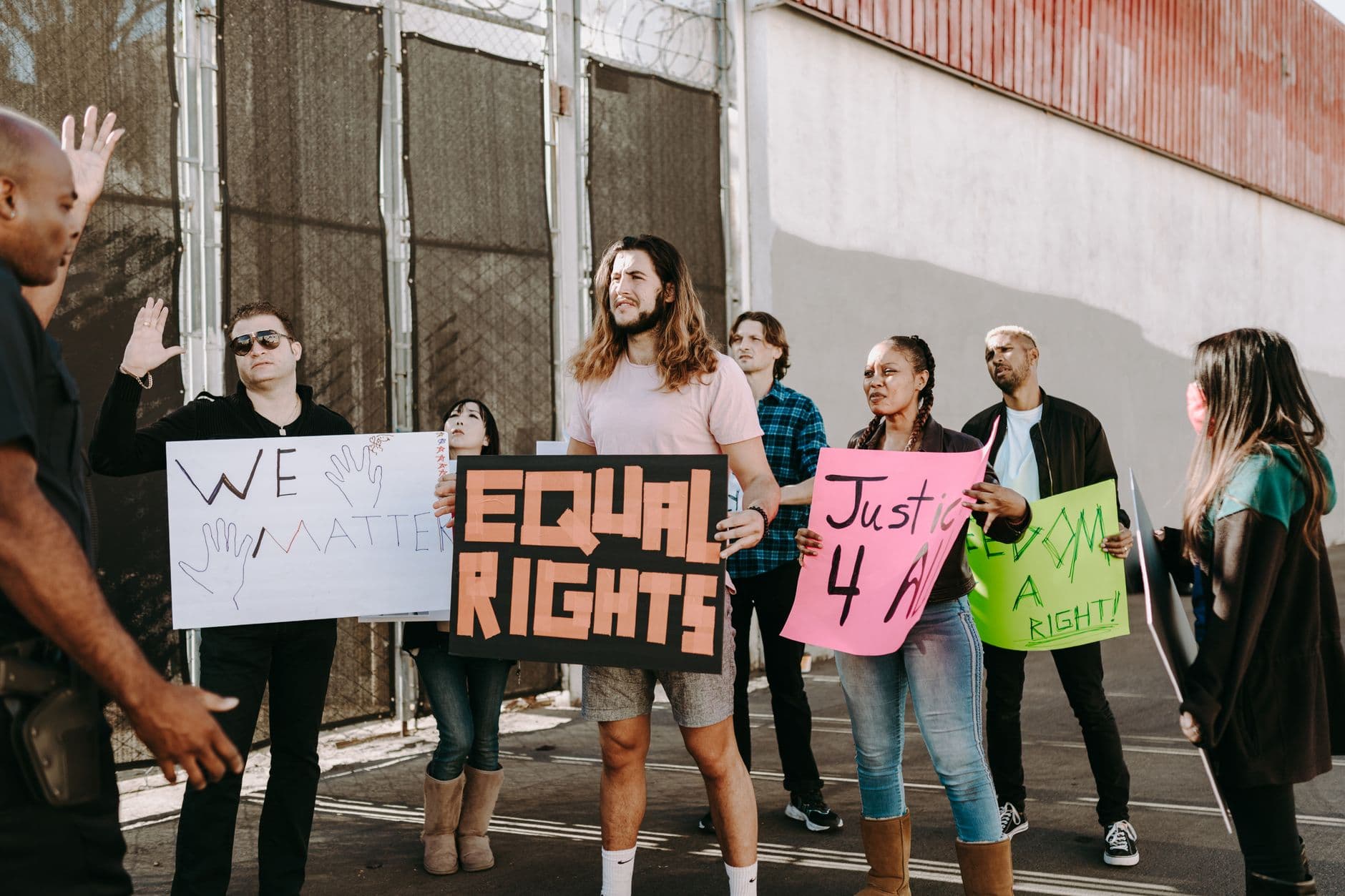
Photo by www.kaboompics.com on Pexels
The False Promise of Anonymized Data
Proponents of these systems often point to 'zero-knowledge proofs' and 'anonymized tokens' to suggest that privacy is being maintained. This is a technical distraction from a sociological reality. Even if the government never sees the specific content you are viewing, the mere requirement to use a centralized verification gateway creates a permanent record of activity. It establishes a heartbeat of compliance. The metadata of your existence is being funneled through a single point of failure.
Furthermore, the history of digital security is a history of inevitable breaches. We are being asked to trust that these databases—which link our most sensitive biometric data to our real-world identities—will be the first in human history to remain unhackable. In 2023 alone, global data breaches increased by 72% over the previous record. Building a centralized 'adult' database is effectively building a treasure map for every state-sponsored hacker and identity thief on the planet. The risk is catastrophic, yet it is being treated as a minor administrative hurdle.
The Corporate-State Merger
Perhaps the most chilling aspect of this trend is the forced reliance on a duopoly. By mandating apps that only run on specific operating systems, the government is granting Apple and Google a permanent seat at the table of civil governance. If your ability to participate in society depends on an app, then the entity that controls the App Store controls your access to society. If a developer's license is revoked, or if a company decides to update its Terms of Service, your 'verified' status could vanish in an instant.
This creates a feedback loop of dependency. The more we rely on these devices for basic legal recognition, the less power we have to challenge the companies that make them. We are becoming digital tenants in a world where the government and Big Tech share the deed to our identities. This is not a conspiracy; it is a structural reality of the modern legislative approach to the internet. We are trading the messy, beautiful anonymity of the physical world for the sterilized, tracked, and verified cage of the digital one.
What This Actually Means
The 'Digital Obedience' loop is about more than just age gates. It is about the normalization of the 'Check-In' culture. It is the architectural foundation for a future where every interaction—buying a bus ticket, entering a library, or purchasing a book—requires a biometric handshake. We are teaching an entire generation that freedom is something that is toggled 'on' by an administrator after a successful facial scan.
We must ask ourselves if the marginal increase in digital safety for minors is worth the permanent loss of adult privacy and the mandatory tethering of our biological selves to corporate hardware. Once this infrastructure is built, it will never be dismantled. It will only be expanded. Today it is age verification; tomorrow it is 'reputation scores' or 'credentialing' for sensitive topics. The leash is being tightened, and we are being told it's for our own protection.
Quick Answers
Can't we just use 'privacy-preserving' verification?
Technically, yes, but the infrastructure still requires a centralized authority to issue the original credential, meaning the 'root' of your identity is still tracked and managed by the state or a major corporation.
Is child safety not a valid reason for these measures?
Child safety is a critical goal, but it should be addressed through education and parental tools at the device level, not by fundamentally re-engineering the civil rights of the entire adult population.
What happens if I don't own a smartphone?
In the current trajectory of European law, you will simply be locked out of 'verified' digital spaces, effectively becoming a second-class citizen in the modern information economy.