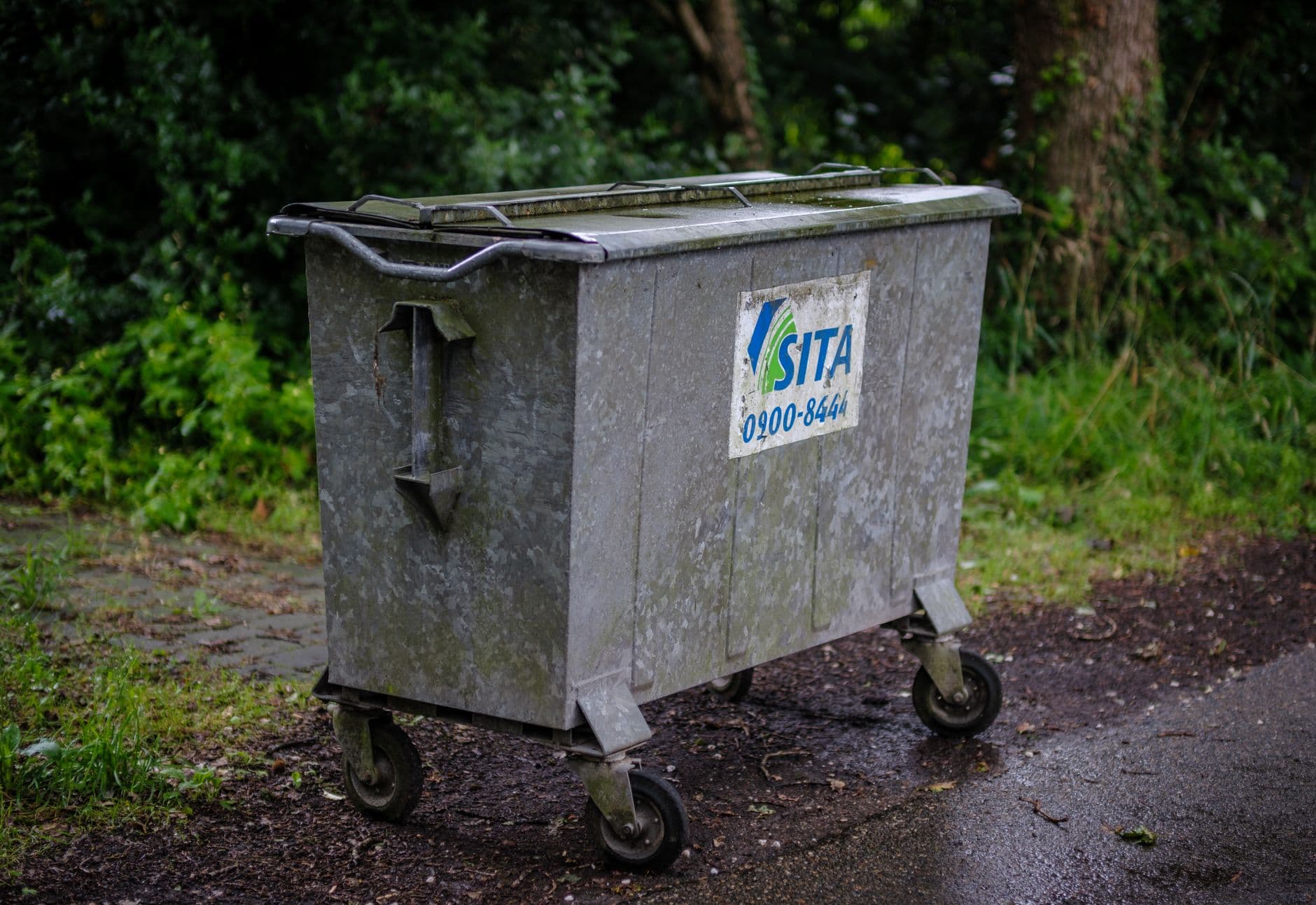
The Dignity of the Dustbin
There is something deeply comforting about watching a man in a literal trash can stand on a stage next to the future Prime Minister of a G7 nation. In the UK’s 2024 general election, Count Binface secured 508 votes in the Richmond and Northallerton constituency. To the uninitiated, this looks like a glitch in the simulation. To anyone who has spent more than five minutes watching a standard political debate, it looks like a desperate cry for help disguised as performance art.
We live in an era where "serious" candidates spend millions of pounds on focus groups just to decide which shade of blue tie makes them look less like a predatory debt collector. Then comes Binface. He doesn't need a focus group. He has a bin. He has a cape. He has a policy platform that includes nationalizing 1980s pop star CeCe Peniston. It is, quite frankly, the most coherent manifesto I have read in a decade. At least he is honest about being an alien entity with no grasp of terrestrial fiscal policy; most Cabinet members try to hide that fact until they’re caught in a lobbyist’s pocket.
The High Cost of Looking Normal
The genius of the satirical candidate lies in the contrast. When a person dressed as a giant Elmo or a literal tub of butter stands behind a politician who is currently explaining why child poverty is actually a complex macroeconomic necessity, the costume stops being the absurd part of the frame. The absurdity shifts to the person in the suit. The satirical candidate acts as a giant, neon-lit "Curb Your Enthusiasm" theme song playing over the entire democratic process.
Consider the 2023 mayoral race in Toronto, where a dog named Molly ran on a platform of stopping salt use on winter roads because it hurts paws. Molly didn't win, but she didn't need to. She highlighted the fact that the human candidates were barely more capable of navigating a spreadsheet than a Golden Retriever. These candidates are a psychological pressure valve. They allow us to participate in the ritual of voting without the soul-crushing humiliation of pretending we believe the mainstream options are actually competent.
- Satirical candidates bypass the "partisan rage" circuit in the human brain.
- It is physically impossible to get into a heated, vein-popping argument about the geopolitical implications of a candidate who wants to rename London Bridge after bridge-player Omar Sharif.
- By removing the threat of "serious" policy, they force us to look at the machinery of the election itself, which usually involves a lot of shouting and very little actual progress.
A Manifesto for the Extremely Tired
Mainstream politics is a game of managed expectations and linguistic gymnastics. If a real politician wants to raise taxes, they call it an "investment in our shared future." If Count Binface wants to do something, he just says it. His 2024 platform included a cap on the price of a 99 Flake ice cream and the requirement for all water company bosses to take a dip in the sewage-filled rivers they managed. This isn't just comedy; it’s a more effective accountability mechanism than anything the official Opposition has managed to produce in three years.

Photo by cottonbro studio on Pexels
There is a specific kind of bravery in spending £500 on an election deposit just to tell a sitting Prime Minister to his face that his breath smells like disappointment. The satirical candidate is the only person on the ballot who isn't trying to sell you a bridge or a nightmare. They are selling you a mirror. They are holding it up to a system that requires us to treat a 45-day premiership that crashed the pound as a "serious political event," while treating a man in a bin as a "distraction."
We are told that voting for a joke candidate is a waste of a ballot. This assumes that the other options aren't also jokes, just ones with much worse timing and higher overhead costs. If the choice is between a professional liar and a guy who wants to build a space station in Milton Keynes, I know which one I trust to handle my trash. At least the guy in the bin knows where it belongs.
What This Actually Means
The rise of the absurdist candidate isn't a sign that democracy is failing; it’s a sign that the voters have finally caught on to the scam. When the gap between what politicians say and what people experience becomes a canyon, someone is going to fill that canyon with a giant costume. It is a peaceful protest in the form of a punchline. It tells the establishment that we see through the theater, so we’ve brought our own props.
By voting for a Count or a Lord Buckethead, the public is exercising a very specific kind of power: the power to refuse to play along. It is a way of saying "none of the above" while still showing up to the party. It reminds the people in power that their authority is a social construct that can be challenged by anyone with enough cardboard and a sense of the ridiculous. And honestly, in a world that feels increasingly like an unscripted disaster movie, the man in the bin is the only one who seems to have read the script.
Quick Answers
Is voting for a satirical candidate a waste of time?
No more than voting for a major party that will inevitably break every promise they made within the first ninety days of office.
Do these candidates actually change anything?
They change the visual narrative, forcing serious news outlets to broadcast images of power standing next to absurdity, which is the most honest reporting we get all year.
Why don't more people do it?
Because most people lack the courage to look that ridiculous, preferring the traditional method of looking ridiculous: becoming a junior minister in the Department for Transport.