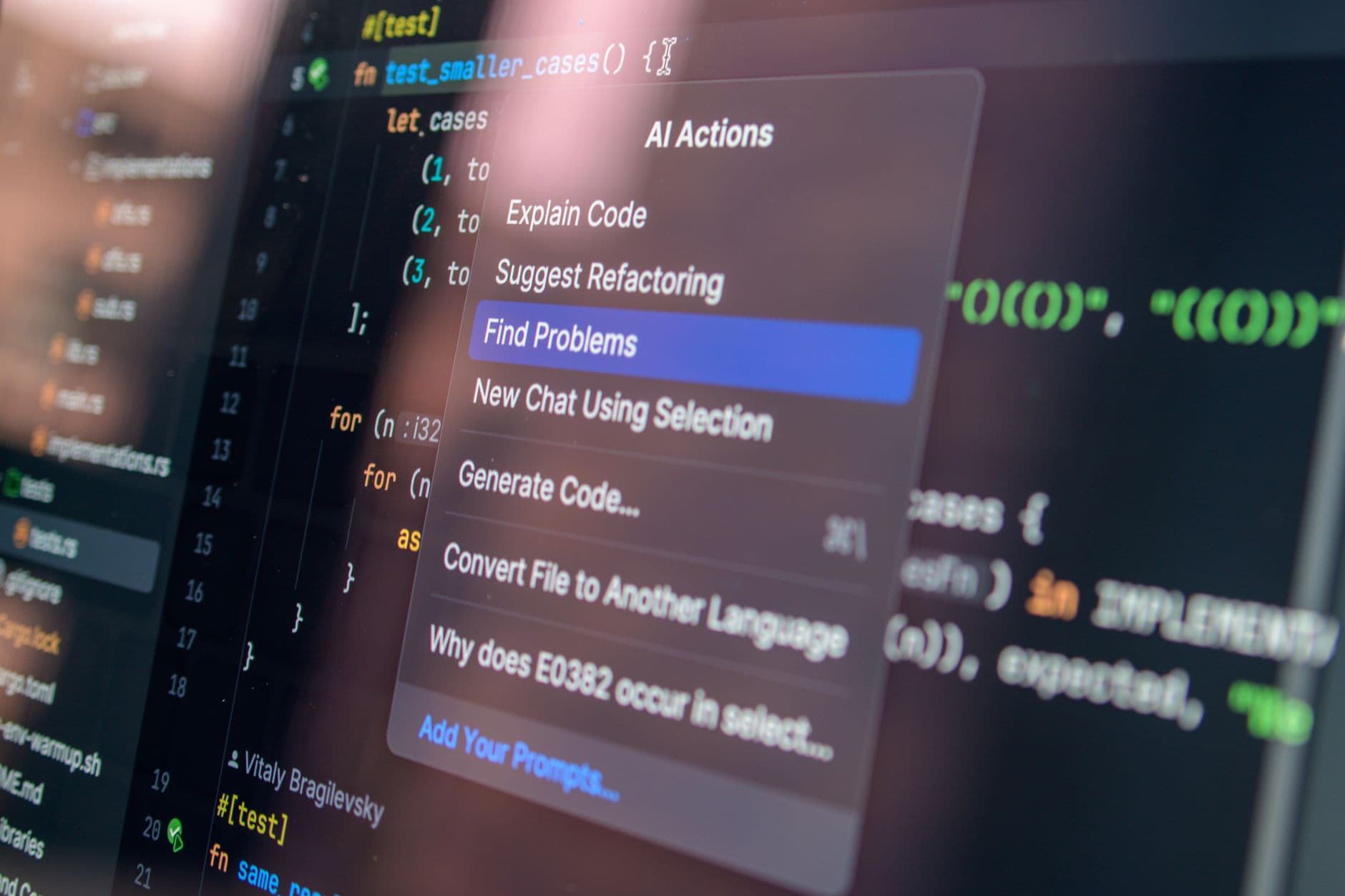
The architecture of intelligence is undergoing a silent, tectonic shift. For the last three years, the primary vulnerability of generative AI has been its transparency—the fact that a prompt, once sent, exists as plaintext somewhere in a server's memory. Codex's move to encrypt prompts and utilize ciphertext for inference represents the definitive end of that vulnerability. It is a necessary evolution for enterprise security, but it carries a heavy cost for the future of accountability.
The End of the Prompt Leakage Era
Until now, every piece of proprietary code or sensitive legal strategy fed into a large language model was a liability. Prompt injection attacks and accidental data leakage during the training or inference phases have cost companies millions in intellectual property value. By implementing end-to-end encryption where the model processes data it cannot technically 'read' in the traditional sense, we are effectively sealing the vault. This isn't just a patch; it is a fundamental re-engineering of how data moves through a neural network.
This shift addresses the $15.4 million average cost of a data breach by ensuring that even if a server is compromised, the data being processed remains gibberish to the intruder. We are moving away from a trust-based model—where we hope the provider doesn't look at our logs—to a math-based model where the provider physically cannot see the logs. It is the most significant leap in corporate digital sovereignty since the widespread adoption of AES-256 encryption.
- Data is encrypted on the client side before it ever touches the cloud.
- Inference occurs on ciphertext, leveraging homomorphic encryption or secure enclaves.
- Results are decrypted only when they return to the user’s local environment.
The Governance Gap in Total Obscurity
Safety and security are often treated as synonyms, but in the realm of Dark Compute, they are in direct opposition. When a model processes ciphertext, the traditional tools of AI safety—content filters, toxicity detectors, and alignment wrappers—become blind. You cannot filter a prompt for harmful intent if you cannot see the intent. This creates a vacuum where corporate entities can process highly sensitive or ethically dubious queries with zero external oversight.
Security auditors have historically relied on 'man-in-the-middle' observation to ensure AI systems aren't being used to develop biological weapons or orchestrate cyberattacks. With the move to encrypted inference, that window is slammed shut. We are essentially giving every user a private, high-powered intelligence agent that operates in a room with no windows and no microphones. The risk shifts from 'data theft' to 'unmonitored misuse,' and currently, we have no framework to manage the latter.

Photo by Faruk Tokluoğlu on Pexels
Complexity as a Barrier to Entry
This architectural shift will inevitably widen the gap between the giants of the industry and the open-source community. Running inference on encrypted data requires a massive overhead in compute power—often 10 to 100 times more than standard inference. Only a handful of companies have the capital to deploy this at scale. We are watching the birth of a new tier of 'Premium Privacy' that will be inaccessible to smaller firms and researchers.
If the industry standard becomes Dark Compute, then the 'right to audit' becomes a relic of the past. We will have to trust the mathematics of the encryption and the hardware integrity of the secure enclaves, rather than the behavior of the software itself. This moves the bottleneck of trust from the AI developer to the hardware manufacturer. If there is a flaw in the silicon, the entire stack of 'unbreakable' privacy collapses, but because the process is opaque, we might not know it has collapsed for years.
What This Actually Means
Dark Compute is the inevitable response to a world where data is the most valuable and vulnerable asset. We have spent a decade complaining about the 'black box' of AI decision-making; now, we are intentionally making that box even darker to protect the secrets within it. It is a rational choice for a bank or a defense contractor, but it is a terrifying one for those concerned with AI alignment and public safety.
We must realize that we are trading visibility for security. In the short term, this will stop the flow of sensitive data into the hands of hackers and competitors. In the long term, it removes the last remaining levers of control we had over how these models are used in the wild. The era of 'watchful' AI is over, and the era of the automated, invisible silo has begun.
Ultimately, the move by Codex is a signal that the industry has prioritized the 'Corporate' in Corporate AI. We are building systems that are perfectly secure, perfectly private, and potentially, perfectly unaccountable. This is the new standard of the digital age: you can have your secrets, or you can have your oversight, but you can no longer have both.
Quick Answers
Does this mean my AI prompts are finally safe?
Yes, from a data-theft perspective, your prompts are significantly safer because they are never stored or processed in a readable format on the provider's servers.
Will this make AI slower or more expensive?
Almost certainly. Encrypted inference requires significantly more computational resources, which will likely result in higher subscription costs or increased latency for the end user.
Can companies still use my data for training?
If the inference is truly end-to-end encrypted, the provider cannot use those specific prompts for training because they never see the underlying text, effectively ending passive data harvesting.