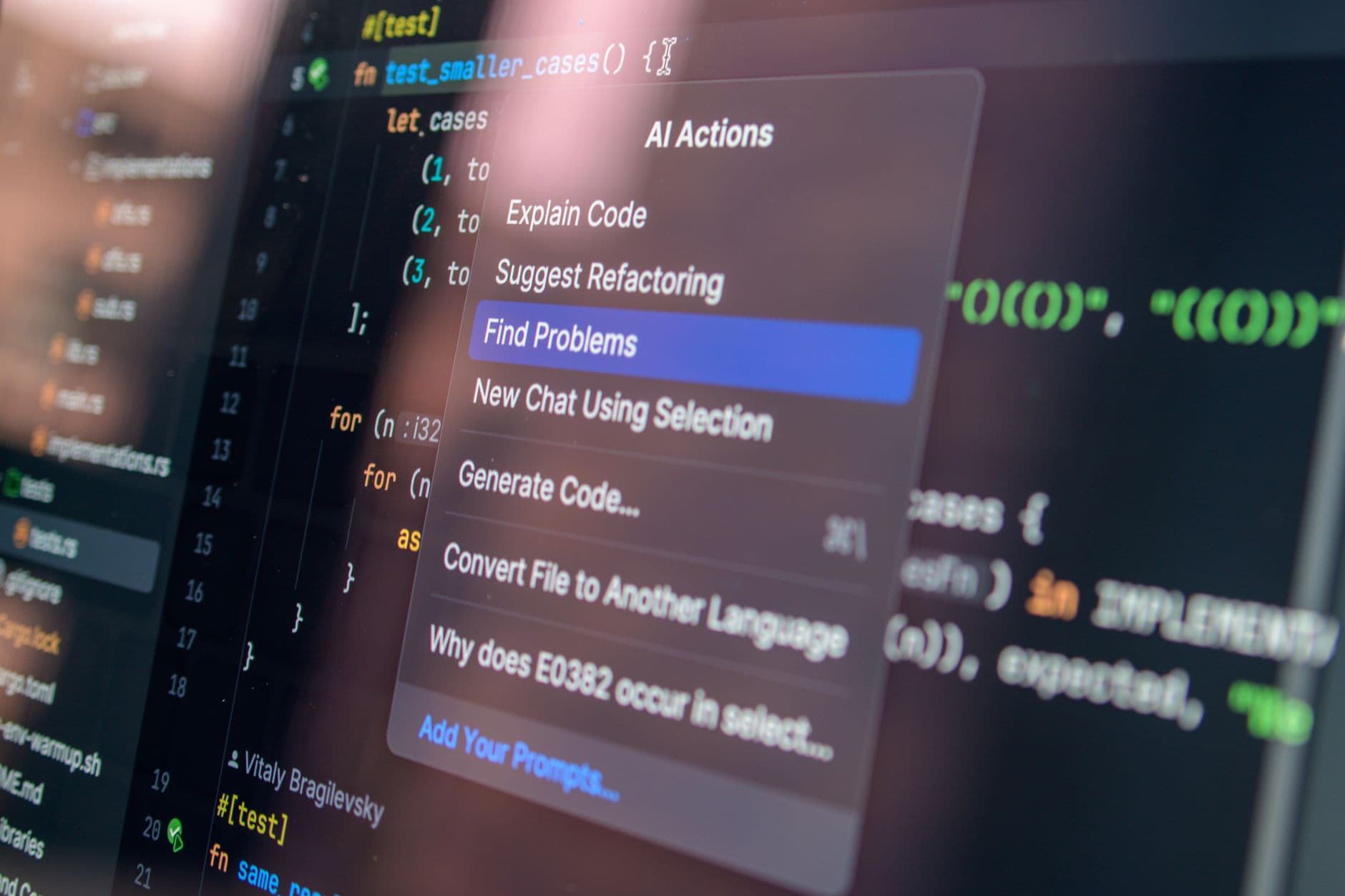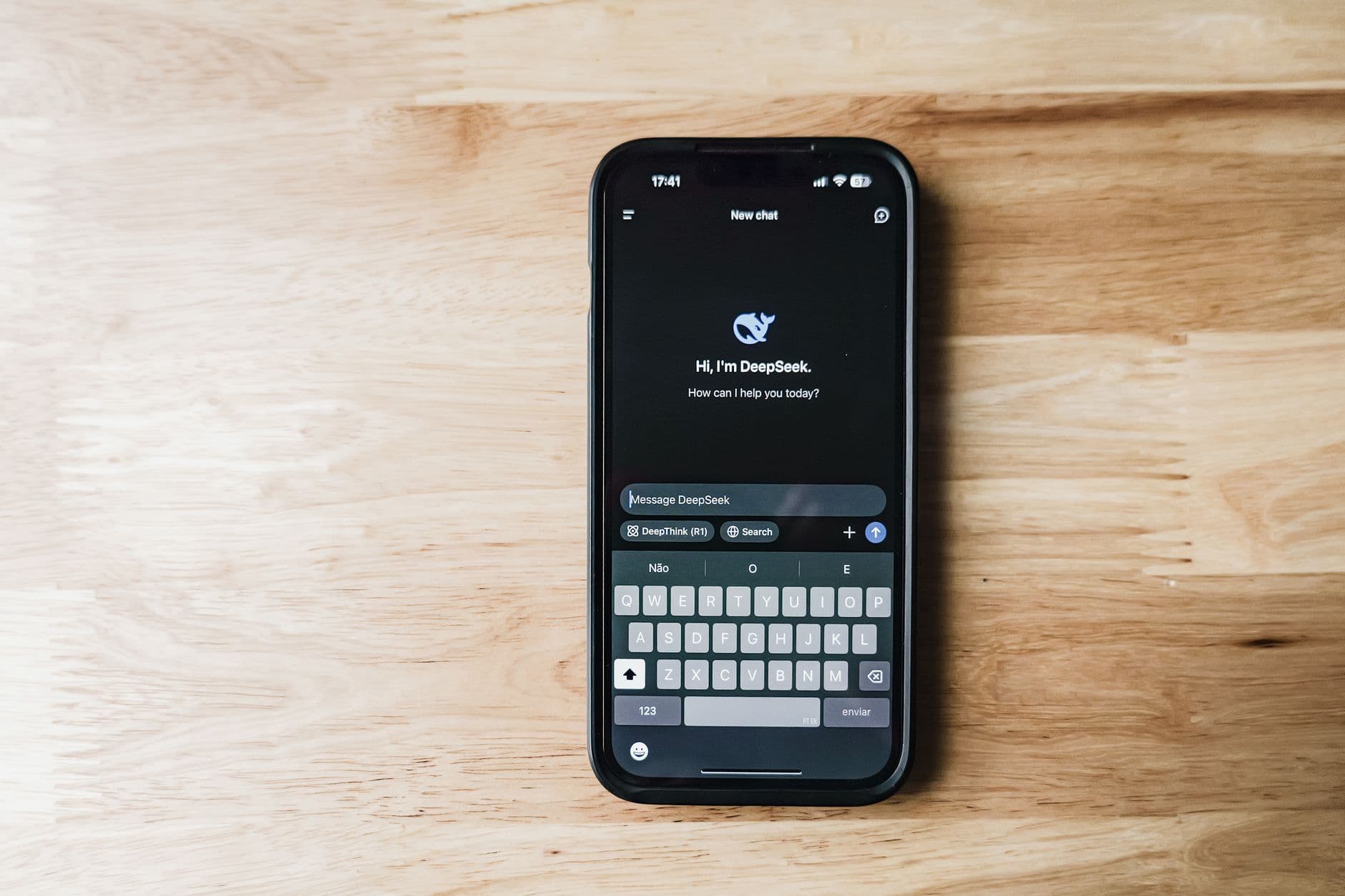
So, the big tech brains have decided that the path to true data privacy is to put the entire large language model on your phone. Like that's going to fix everything. We're talking about a 'zero-trust' personal AI paradigm, where your sensitive data apparently never leaves the device. Because, clearly, the data's journey to the cloud was the only vector for privacy concerns. I'm sure the apps you've already granted unfettered access to your microphone, camera, and entire contact list will just politely ignore this new, very private, on-device brain. It’s almost too perfect.
The New 'Fort Knox' in Your Pocket
We're being sold the idea that by having AI live locally, our data is suddenly untouchable. It's a digital Fort Knox, right there between your cracked screen and that photo album you never got around to organizing. The argument is that since the data never leaves the device, it's inherently more secure. And sure, in a purely theoretical sense, if a hacker can't intercept data in transit, that's a win. But then again, they just have to get into your device, which, let's be honest, most people leave about as locked down as a public library in a rom-com.

Photo by iJseven Misha Pavchuk on Pexels
Think about the sheer number of apps that already have permissions to do whatever they want on your phone. Now imagine adding a sophisticated AI that's processing your most sensitive queries, your personal writing, your voice commands, all sitting there, ripe for the picking if any one of those other apps decides to be a little less 'privacy-first.' It's like building a high-tech vault and then leaving the key under the doormat. A very expensive, 27-billion-parameter doormat.
Business Models: A Cloud-Stained Future?
The purported impact on cloud-dependent AI services is another gem. Apparently, these on-device models are poised to dismantle the existing business models that rely on massive data centers and subscription fees for AI access. Because who needs the cloud when your phone can do it all? It's a real David vs. Goliath story, except Goliath is still holding all the infrastructure and most of the market share, and David just got a slightly larger sling-shot.
Cloud providers must be quaking in their boots. All those billions invested in data centers, all that infrastructure, all those highly paid engineers – rendered obsolete by a mobile chip. I'm sure Amazon, Google, and Microsoft are busy converting their server farms into artisanal coffee shops as we speak. Or, more likely, they're developing their own on-device models, ensuring they get a cut of that 'privacy-first' revolution too. Because if there's one thing big tech loves, it's an opportunity to diversify their revenue streams while pretending to champion the little guy.
Cybersecurity: Just Another Attack Surface
And let's not forget cybersecurity! This new paradigm promises to fundamentally shift it. Absolutely. Because a single, isolated device running a complex AI model is definitely less of an attack surface than a distributed, professionally managed cloud infrastructure. It's not like phones get lost, stolen, or are notoriously easy targets for phishing scams. And it's not like the average user is an expert in patching zero-day vulnerabilities or spotting sophisticated malware.
We're moving from a model where large, dedicated teams of security professionals are trying to protect vast, centralized systems, to a model where billions of individual users are now suddenly responsible for securing their own personal AI supercomputers. What could possibly go wrong? It's a brilliant strategy, really: offload all the security responsibility onto the customer while still selling them the 'privacy' dream. A genuine stroke of genius, if you ask me.
What This Actually Means
What this 'privacy-first' revolution actually means is that we're about to get a whole new set of privacy disclaimers to scroll through and blindly agree to. It means that the line between what's processed locally and what's still sneaking off to a server will become even blurrier, wrapped in marketing speak about 'enhanced security' and 'user control.' It means your phone, already a data-collecting powerhouse, is about to get a whole lot smarter at interpreting and potentially sharing your most intimate thoughts, all under the guise of protecting them.
Ultimately, it's another step in the slow march towards making our personal devices indispensable, while subtly shifting the burden of security and ethical oversight onto us, the end-users. It's a fantastic narrative, though. 'Your AI, Your Data, Your Problem.' Rolls right off the tongue, doesn't it? Just remember to update your phone's software regularly, because that 27B-class model isn't going to patch itself against the next big exploit.
Quick Answers
- What is a 27B-class model like Bonsai? It's a large language model with 27 billion parameters, designed to be compact enough to run directly on consumer smartphones without needing an internet connection to a cloud server.
- How does on-device AI supposedly improve privacy? The theory is that by processing data locally, sensitive information never leaves your device, thus reducing the risk of it being intercepted or stored on third-party servers.
- Will this truly change cybersecurity? It shifts the attack surface from centralized cloud infrastructure to billions of individual user devices, potentially creating new security challenges and placing more responsibility on the user for device protection.
- Does this threaten cloud AI services? While it introduces a new paradigm, major cloud providers are likely to adapt by offering their own on-device models or hybrid solutions, rather than being completely disrupted.