The Champagne Police are Under Your Bed
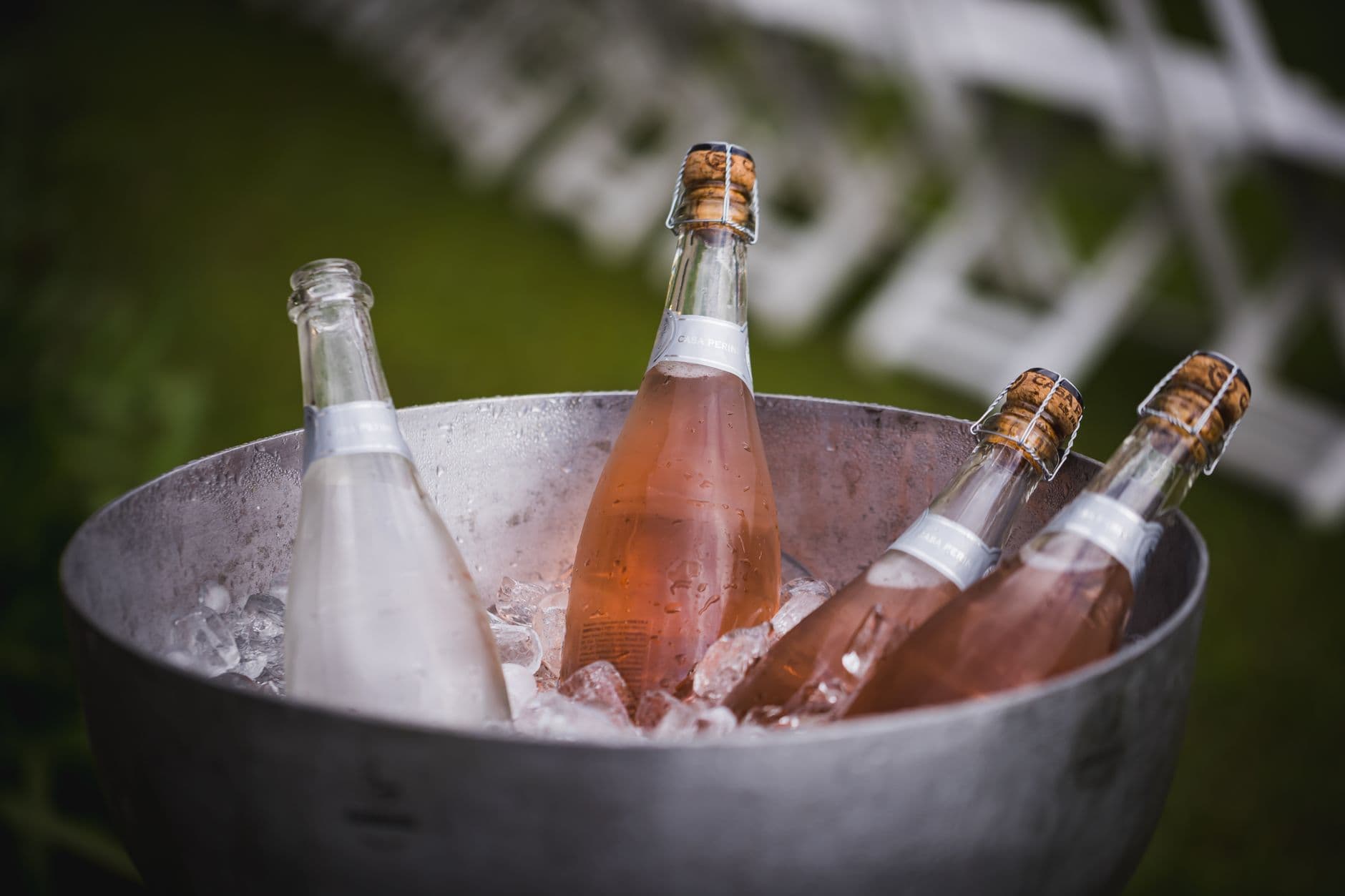
If you ever want to see a Frenchman’s soul leave his body, walk into a bistro in Paris and ask for a glass of ‘California Champagne.’ The resulting sound is a mix of a death rattle and a tactical sigh that has been passed down through generations of aristocrats. This isn't just snobbery; it’s a government-mandated religion. France has decided that words don't actually belong to the people who speak them, but to the dirt they were born on. They call it terroir, which is a fancy way of saying 'this mud is more expensive than your mud.'
As we watch the Bastille Day fireworks, remember that the French government is likely spending that exact moment filing a lawsuit against a cheesemaker in Wisconsin for naming a product 'Gruyère.' They have turned the grocery store into a jurisdictional minefield where one wrong label can trigger an international incident. It’s the ultimate form of 'You can't sit with us,' except instead of a high school cafeteria, it’s the global agricultural market, and the Mean Girls are wearing berets and holding $400 bottles of fermented grape spit.
Your Cheese is a Lie and Your Wine is an Imposter
The French National Institute of Origin and Quality (INAO) is essentially the SEAL Team Six of snack foods. They have spent decades convincing the world that if a sparkling wine doesn’t come from a specific 84,000-acre patch of chalky soil in the northeast of France, it isn’t Champagne. It’s just 'sparkling wine,' a term that sounds like something you’d buy at a gas station next to the beef jerky. It’s a brilliant marketing scam disguised as cultural heritage.
Imagine if Italy decided that nobody could call it 'Pizza' unless the dough was tossed by a man named Luigi within earshot of Vesuvius. Everything else is just 'open-faced tomato bread.' Or if the UK declared that 'Cheddar' was a protected term, forcing American toddlers to eat 'yellow dairy rectangles' with their apple slices. That is the level of absurdity we are dealing with here. France has successfully convinced the World Trade Organization that geography is destiny, and that destiny is very, very pricey.
Photo by cottonbro studio on Pexels
The Great Brie Blockade of 2024
This isn't just a quirky European hobby; it’s a 'Culinary Sovereignty' movement that is starting to look like a trade war with better hors d'oeuvres. Emerging markets in South America and Southeast Asia are looking at these rules and saying, 'Wait, you’re telling us we can’t use the word Feta because a goat in Thessaly has better lawyers than our goats?' It’s neo-colonialism with a side of balsamic glaze. By locking down these names, France and its EU cohorts are essentially gatekeeping the very concept of 'quality' and charging a massive premium for the privilege.
American dairy farmers are particularly incensed. They’ve been making 'Parmesan' for decades, only for the EU to show up and say, 'Actually, that’s just Shaky Salt, please change the label.' It’s a massive economic engine. The global market for geographical indication (GI) products is worth over $80 billion. When you own the rights to the word 'Champagne,' you don't just own a brand; you own a category of human experience. It’s like trademarking the feeling of being slightly buzzed at a wedding.
What This Actually Means
At the end of the day, this is about the desperate scramble for value in a world where everything is becoming a commodity. France knows it can't compete with the sheer industrial volume of American or Chinese agriculture. They can't out-produce us, so they have to out-story us. By tying the product to the land—to the terroir—they create a monopoly that can never be broken by efficiency or technology. You can't 'disrupt' the soil of Roquefort-sur-Soulzon with a Silicon Valley startup.
But there’s a limit to how much we should let a country’s nostalgia dictate our grocery lists. If I make a blue cheese in my basement in Ohio that tastes exactly like Roquefort, let me call it Roquefort. Let the taste buds decide, not a tribunal in Strasbourg. Otherwise, we’re headed for a future where 'French Fries' have to be renamed 'Salty Potato Batons' unless the spuds were fried in the shadow of the Eiffel Tower.
We are witnessing the birth of a world where words are owned by the highest bidder’s ancestors. It’s funny until you realize you’re paying a 30% markup because a lawyer in Paris successfully argued that a specific type of fungus has a passport. Happy Bastille Day. Enjoy your sparkling white wine and your fermented curd triangles. Just don't let the INAO hear you call them by their real names.
Quick Answers
Can I get sued for calling my homemade wine Champagne?
Unless you’re selling it commercially under that label, the French police won't kick down your door, but they will definitely judge your Pinterest board.
Why does France care so much about names?
Because 'Champagne' sounds like a luxury lifestyle and 'Sparkling Wine from a Vat in Fresno' sounds like a cry for help. It’s all about the profit margins.
Is terroir actually real?
Soil and climate do affect flavor, but 90% of the people who claim they can taste the 'limestone finish' are just trying to justify why they spent $90 on a bottle of old juice.