The Hidden Frequency of Being
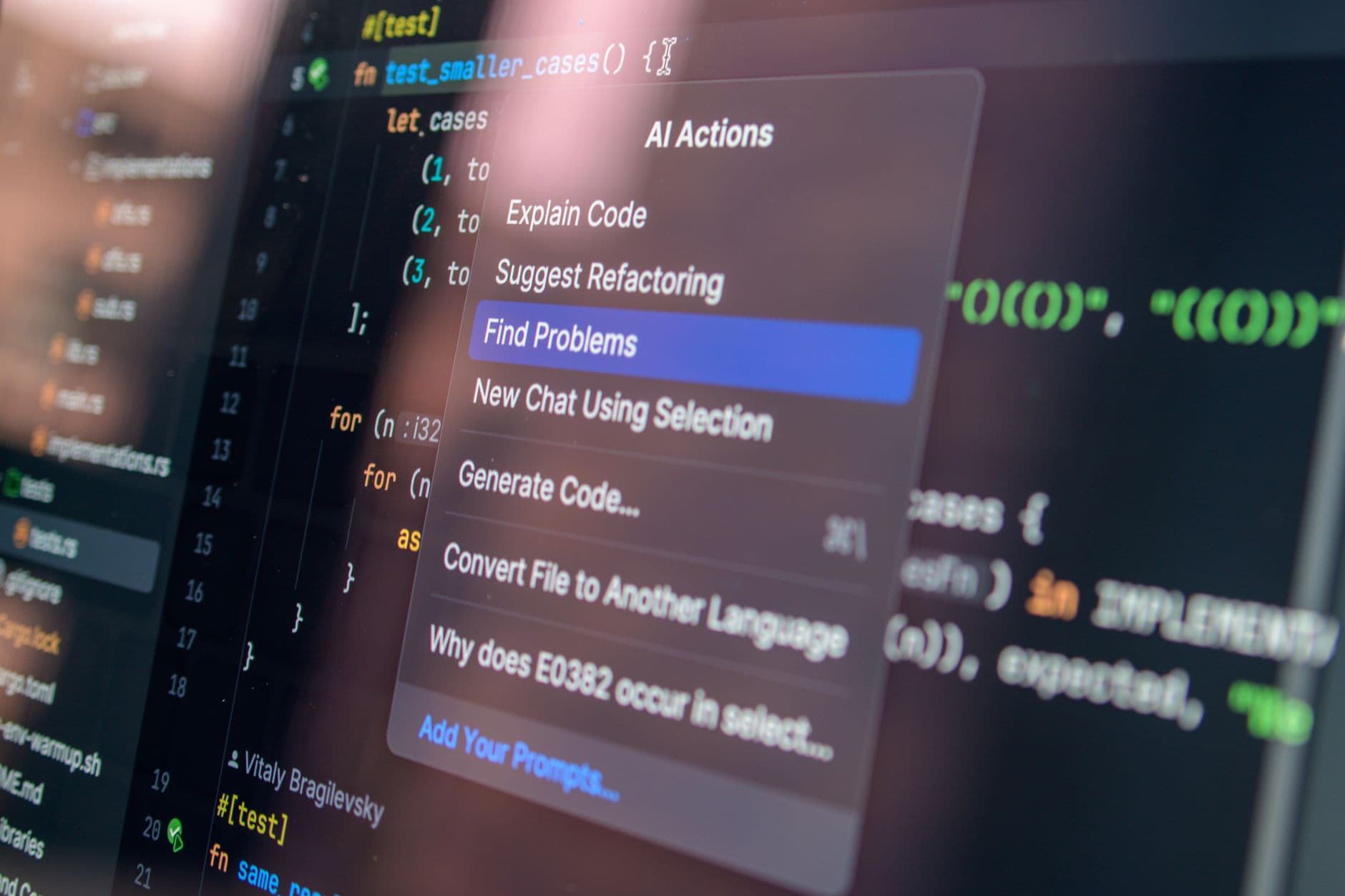
I’ve been thinking about the sheer amount of data we leak into the atmosphere every time we open our mouths. We usually focus on the words—the syntax, the intent, the gossip—but the physical act of speaking is a mechanical miracle involving the lungs, the vocal folds, and hundreds of neurological impulses. When Apple dropped the SpeechAnalyzer API, they weren't just giving developers a better way to transcribe audio; they were handed a stethoscope that listens to the soul of the machine.
There is something hauntingly beautiful about the idea that our biology has a soundtrack. Scientists have known for years that respiratory distress or the early micro-tremors of Parkinson’s show up in the 'jitter' and 'shimmer' of a human voice long before they manifest as a visible limp or a cough. By the time a clinical diagnosis happens in 2024, the disease has often been playing its theme song for a decade.
What happens when the phone in your pocket starts listening for the melody of your health? It’s not just about catching a cold. It’s about the fact that a slight change in the cadence of your speech—the way you pause between vowels—could be the first detectable sign of a depressive episode or a cognitive shift. We are entering an era where our devices might know we are getting sick before our conscious minds even feel a symptom.
A Mirror Made of Sound
I wonder if this changes how we perceive ourselves. If my iPhone can detect a 'vocal biomarker' for high stress or early-onset Alzheimer’s, does that make my voice a part of my medical record? The SpeechAnalyzer API is designed to be high-precision, pulling out acoustic features that the human ear simply isn't tuned to hear. It’s looking at the math behind the noise.
- Micro-tremors: Tiny fluctuations in pitch that indicate neurological interference.
- Vocal Breathiness: Subtle air leaks that point to diminished lung capacity or muscular weakness.
- Prosody Shifts: Changes in the rhythm and intonation of speech that correlate with mood disorders.
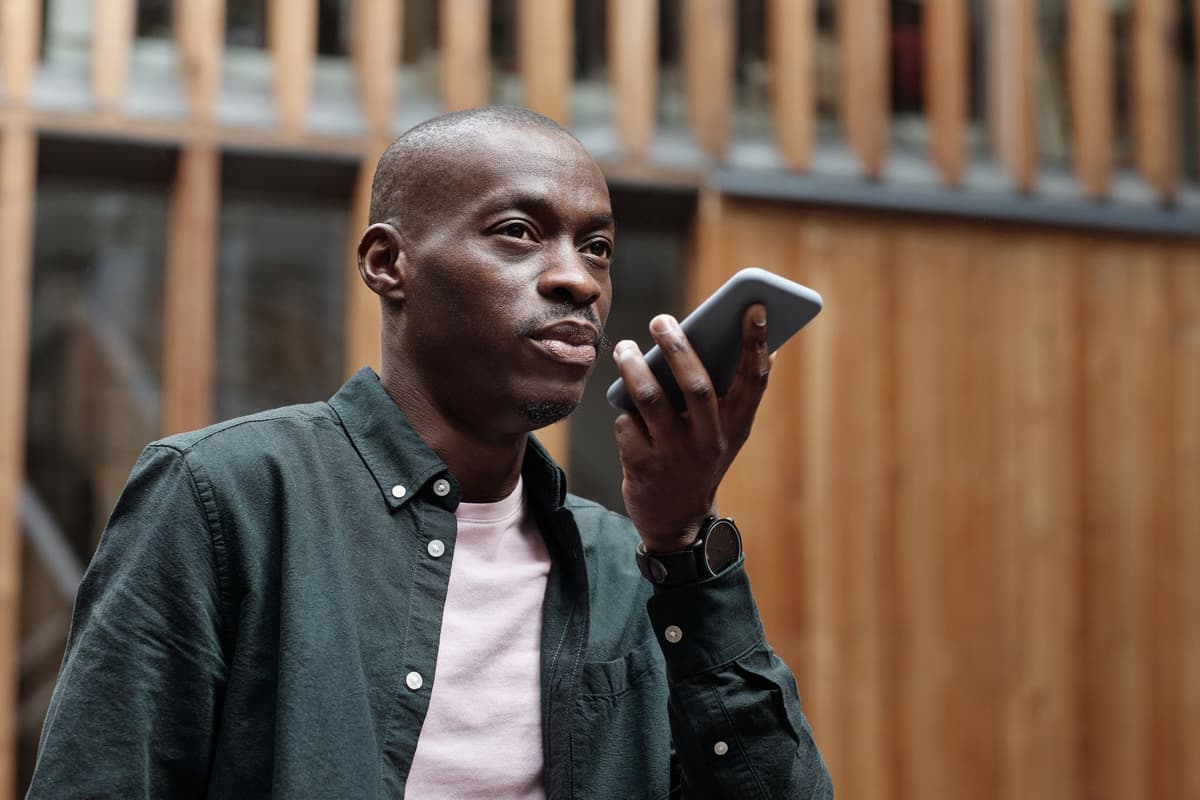
Photo by Theo Decker on Pexels
It feels like we are rediscovering an ancient sense. Before blood tests and MRIs, doctors relied on the 'smell' of a disease or the 'look' in a patient's eye. Now, we are circling back to those sensory diagnostics, but with the terrifyingly precise power of machine learning. It makes me wonder if we’ll eventually start 'curating' our voices to hide our vulnerabilities, the same way we use filters on our photos.
The Privacy of the Unspoken
There is a tension here that I can't quite shake. Apple is famously obsessed with on-device processing, meaning this analysis happens locally rather than in the cloud, which is a relief. But the implications of 'passive monitoring' are still massive. If your phone is constantly auditing your psychiatric stability through your phone calls, who owns that insight?
Imagine a world where an insurance company wants to hear a five-minute recording of you talking about your day before they set your premium. Or a job interview where the software flags 'low energy' as a biomarker for potential burnout. We are opening a door to a world where our most involuntary physical traits—the way our vocal cords vibrate—become data points for the rest of the world to judge.
And yet, the upside is breathtaking. Imagine a mother getting a notification that her child’s speech patterns suggest the onset of an ear infection or a respiratory issue two days before the fever hits. Or a veteran with PTSD having an app that gently suggests reaching out to a therapist because it detected a specific 'flatness' in their tone that usually precedes a crisis. The potential for harm is there, but the potential for grace is arguably larger.
What This Actually Means
We are moving away from 'episodic medicine'—the kind where you go to a building once a year and get poked with a needle—and toward 'continuous presence.' Your health is no longer a snapshot; it’s a movie. Apple’s SpeechAnalyzer is effectively the film projector. It turns the air vibrating out of your throat into a stream of actionable intelligence.
I suspect we will look back at this moment as the end of the 'silent' era of health. We used to think of our voices as just tools for communication, but they are actually biological exhaust. Just as a mechanic can hear a ticking valve in an engine, we are teaching our computers to hear the friction in our nervous systems.
Ultimately, this technology forces us to ask what it means to be 'well.' If the software detects a biomarker for a disease that won't manifest for twenty years, are you a patient today? We are about to become a society of the 'pre-symptomatic,' walking around with devices that hear the future in our present-day conversations. It’s a little scary, yes, but it’s also a profound expansion of human self-awareness.
Quick Answers
Is my phone recording everything I say to check my health?
Not exactly; the SpeechAnalyzer API provides the tools for apps to analyze audio, but it generally requires user permission and, in Apple's ecosystem, usually happens on the device rather than a server.
Can a voice test really replace a doctor's visit?
No, it’s a screening tool, not a definitive diagnosis. It’s meant to flag 'acoustic signatures' that suggest you should go see a professional for a real test.
What diseases can actually be heard in a voice?
Currently, research is strongest in detecting Parkinson’s, Alzheimer’s, clinical depression, and various respiratory conditions like COPD or COVID-19.