Your Toaster Is Currently Seeking A Stable Connection
We have spent the last decade convinced that for a lightbulb to function, it first needs to negotiate a peace treaty with a data center three states away. It is a stunning achievement of modern marketing that we accepted a reality where a $300 smart lock becomes a very expensive paperweight the moment a CEO decides to 'pivot to AI' and shut down the legacy API. Enter the Iroh-powered smart fan, a device so radical it suggests that perhaps a breeze shouldn't require a login screen.
By using a peer-to-peer protocol, this fan talks directly to your phone. No cloud. No middleman. No AWS outage standing between you and a mild cooling sensation. It is almost as if the engineers sat down and realized that the internet—a global network designed to survive a nuclear winter—is perhaps a bit overkill for toggling 'Oscillation Mode' from the comfort of your sofa.
The Immortal Gadget vs. The Subscription Life Support
The industry term for this is 'local-first software,' but let's call it what it is: a refusal to let your hardware be held for ransom. Most 'smart' devices are currently on a form of digital life support. The manufacturer provides the heartbeat. If they go bankrupt, or get acquired by a private equity firm that views 'customer service' as an unnecessary line item, your hardware dies.
- The Iroh protocol creates a direct, encrypted link between devices.
- It bypasses the need for a centralized 'command and control' server.
- Your data stays on your network, which is a terrifying prospect for companies that enjoy selling your sleep patterns to insurance brokers.
- The device lasts as long as the motor holds out, not as long as the series B funding lasts.
This is a terrifying development for the Silicon Valley ecosystem. If people start buying things that just... work, how are we supposed to charge them $4.99 a month for the privilege of using the 'High' setting? If a fan can exist without a cloud, what’s next? A refrigerator that doesn't need a firmware update to keep the milk cold? The mind boggles at the inefficiency of it all.
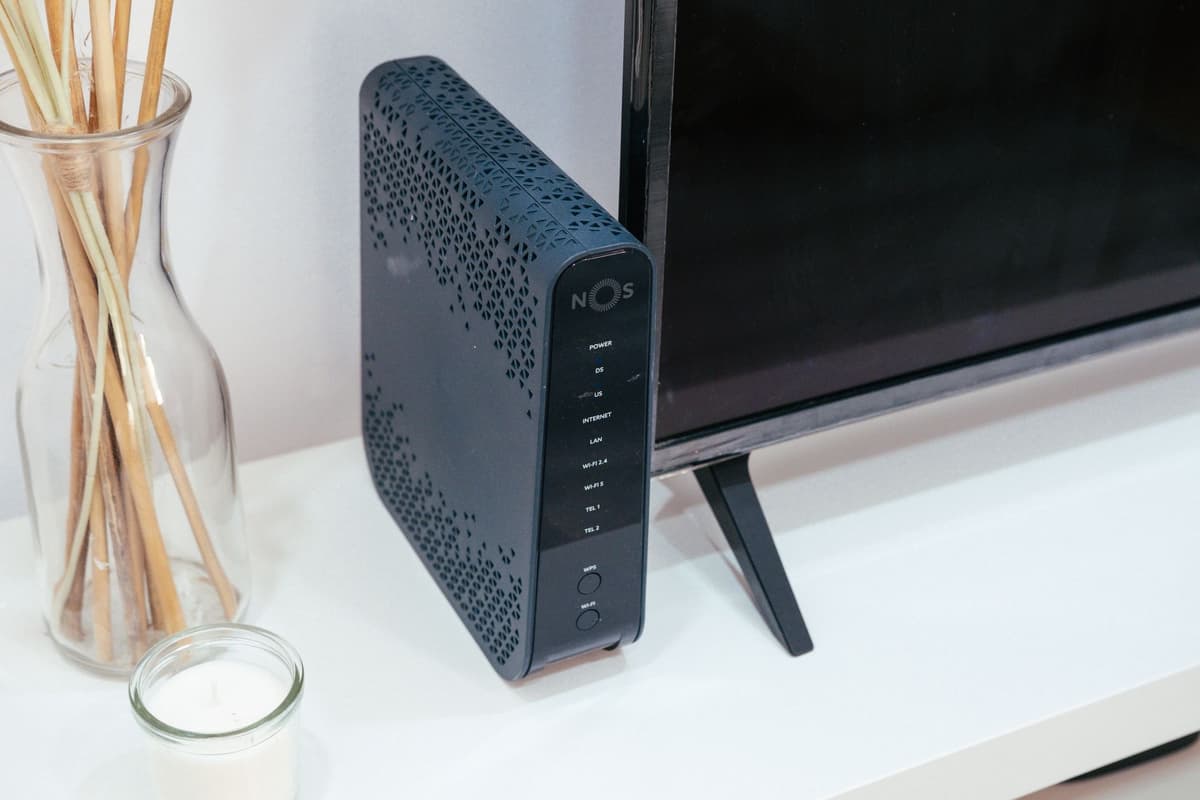
Photo by Jaycee300s on Pexels
Why We Love Complicating The Simple
There is a certain masochistic joy in the current smart home experience. There is nothing quite like the thrill of standing in a dark kitchen, shouting at a plastic cylinder to turn on the lights, only to be told that 'the hub is not responding.' It reminds us that we are alive. It keeps us on our toes. Why would we want a peer-to-peer fan that responds instantly when we could have one that has to check in with a server in Dublin first?
The Iroh approach is built on the wild assumption that you are the owner of your things. It treats the user like an adult rather than a data point to be harvested. By removing the central server, the developers have effectively removed the 'kill switch' that has become standard equipment in modern consumer electronics. It’s a blueprint for 'immortal' gadgets, which is great for the environment but terrible for the quarterly growth targets of companies that rely on planned obsolescence.
In 2023 alone, we saw several high-profile 'smart' companies brick their legacy hardware because maintaining the servers was 'no longer viable.' It turns out that 'the cloud' is just someone else's computer, and that someone else is usually tired of paying the electric bill for your three-year-old thermostat.
What This Actually Means
This fan isn't just about moving air; it’s a quiet middle finger to the last ten years of IoT architecture. It proves that we had the technology to make reliable, private, and permanent smart devices all along, but we chose not to because there’s no recurring revenue in a product that doesn't break.
If the peer-to-peer movement gains traction, we might actually enter an era where 'smart' isn't a synonym for 'fragile.' We might find ourselves in a world where your gadgets are actually yours. It’s a boring, stable, and highly functional future.
I’m sure we’ll find a way to ruin it by next Tuesday.
Quick Answers
Does this mean my fan won't work if the internet goes down?
Quite the opposite; it means your fan will be the only thing in your house that still works when the Comcast gods frown upon you.
Is peer-to-peer harder to set up?
Actually, it's usually faster because you aren't spending twenty minutes trying to remember which 2.4GHz Wi-Fi password you used in 2016 just to pair a lightbulb.
Why don't all companies do this?
Because it’s very hard to sell your 'user engagement metrics' to advertisers if you don't actually know when your users are turning on their fans.