The Great Serotonin Bait-and-Switch
For the last fifty years, the dominant narrative in psychiatry has been incredibly neat: you have a chemical imbalance in your head, and we have a pill to fix it. We spent billions of dollars on Selective Serotonin Reuptake Inhibitors (SSRIs) like Prozac and Zoloft, operating under the assumption that the brain is the sole manufacturer and consumer of our mood-regulating chemicals.
That narrative is officially falling apart. It turns out that roughly 90% of your body's serotonin receptors are not in your brain at all. They are located in your gut. Your enteric nervous system (ENS)—a mesh-like network of 500 million neurons lining your gastrointestinal tract—is so complex that biologists have taken to calling it the "second brain."
We have spent half a century trying to cure depression by tinkering with the top floor of a skyscraper, completely ignoring the massive, bubbling chemical factory in the basement. The shift from treating mental health as purely neurochemical to fundamentally microbiological is not just a trend. It is a quiet revolution that is turning psychiatry into a branch of metabolic medicine.
The Vagus Highway and the Bacterial Puppet Masters
To understand how a stomach ache becomes a panic attack, you have to look at the vagus nerve. Think of the vagus nerve as a massive bidirectional fiber-optic cable running directly from your brain stem to your abdomen. For a long time, we assumed the brain was using this cable to shout orders down to the stomach. We now know that about 80% of the traffic on this highway is actually traveling upward.
Your gut bacteria are constantly whispering to your brain. When you are stressed, your microbiome changes. Conversely, when your microbiome is out of whack, it sends distress signals up the vagus nerve, triggering the amygdala—the brain's alarm system.
Consider these bizarre realities of the gut-brain axis:
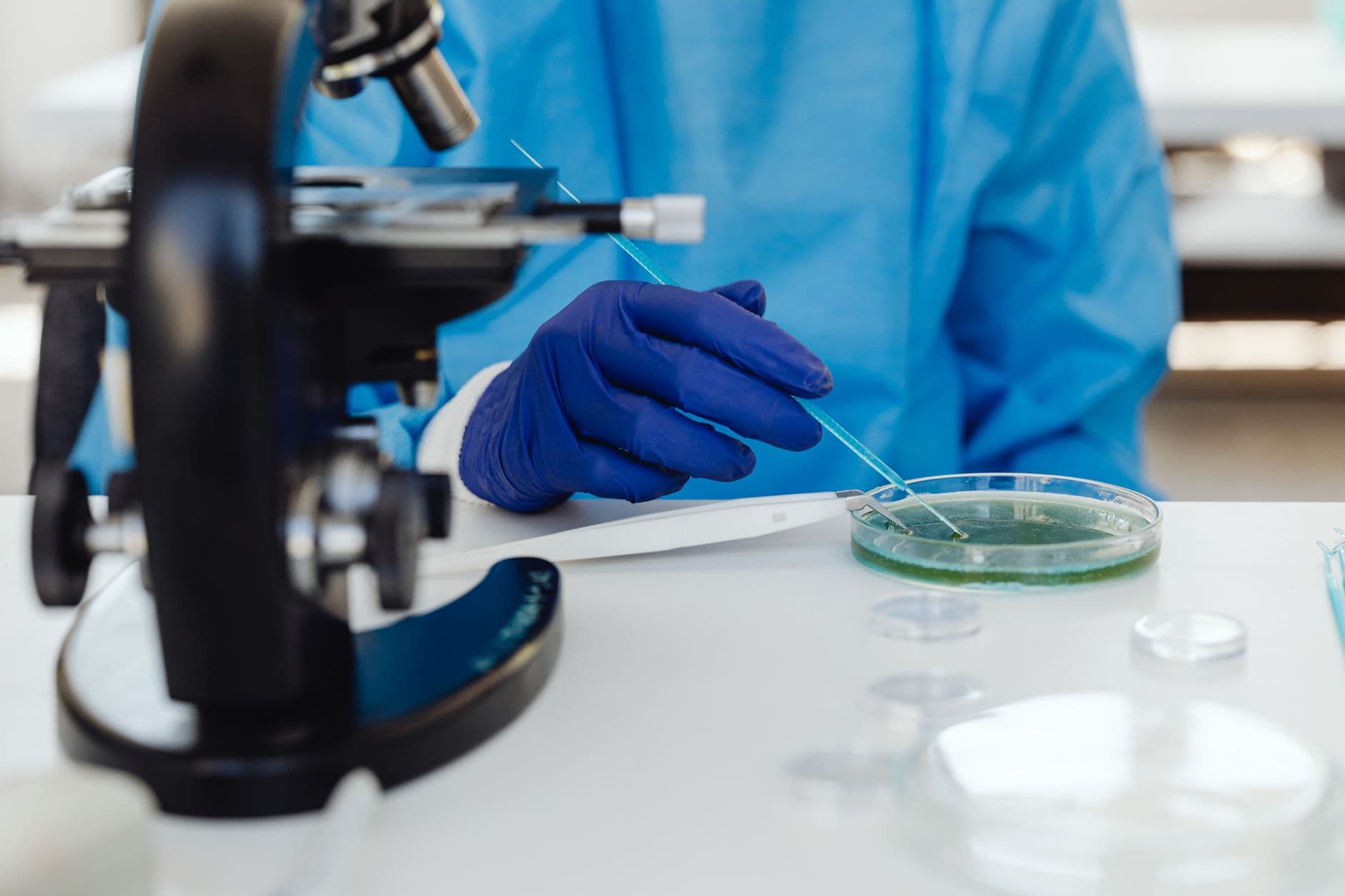
- The Germ-Free Mouse Experiment: Researchers at Kyushu University in 2004 raised mice in completely sterile environments with zero gut bacteria. These "germ-free" mice exhibited an exaggerated, hyperactive hormonal response to stress compared to normal mice. When they were fed a single strain of Bifidobacterium infantis, their stress levels normalized.
- Fecal Transplants: In clinical studies, transplanting the gut microbiota of depressed humans into rats caused those rats to exhibit depressive behaviors, such as giving up quickly on swim tests. We are literally transplanting despair via bacteria.
- The Vagus Cut: When researchers severed the vagus nerve in mice, the mood-altering effects of beneficial gut bacteria vanished entirely. The connection is physical, direct, and immediate.
Enter Psychobiotics: Prozac in a Capsule of Kimchi
This brings us to "psychobiotics"—a term coined in 2013 by psychiatrist Ted Dinan and neuroscientist John F. Cryan. These are live organisms that, when ingested in adequate amounts, produce a health benefit in patients suffering from psychiatric illness.
We are not talking about the dusty bottle of generic acidophilus you buy at the grocery store to help with bloating. We are talking about highly specific bacterial strains engineered to target psychiatric pathways. For example, certain strains of Lactobacillus rhamnosus have been shown to reduce corticosterone (a major stress hormone) and reduce anxiety-like behavior in animal models.
This is a massive paradigm shift. Instead of developing heavy-duty synthetic molecules that cross the blood-brain barrier and cause a laundry list of side effects like weight gain, sexual dysfunction, and emotional blunting, we are looking at microbes that naturally produce GABA, dopamine, and serotonin right in our gut. It is psychiatric treatment without the psychiatric hangover.
The Financial Threat to Big Pharma
Of course, whenever a medical paradigm shifts, you have to follow the money. The global antidepressant market is projected to reach $22 billion by 2030. That industry is built on proprietary, patented molecules.
You cannot patent Lactobacillus. You cannot lock a naturally occurring bacterium behind a $300-a-month paywall.
This explains why mainstream medicine has been so slow to adopt metabolic psychiatry. It is much easier to sell a daily pill that alters brain chemistry than it is to prescribe a holistic treatment plan involving dietary overhaul, fermented foods, and targeted probiotic therapy. But as the clinical data piles up, the old model is becoming indefensible. Psychiatry is going to have to get dirty, literally, and acknowledge that our mental state is deeply connected to the soil, our food, and our microscopic tenants.
What This Actually Means
We need to stop treating mental health as a character flaw or a localized brain glitch. Your brain does not float in a jar. It sits at the top of a biological ecosystem that is highly sensitive to what you feed it.
This does not mean you can cure clinical depression simply by eating Greek yogurt. That is a dangerous oversimplification. What it does mean is that the future of psychiatric triage will likely begin with a stool sample rather than a therapy couch. We will diagnose anxiety by looking at bacterial diversity, and we will treat it by rebuilding the gut lining.
Ultimately, this shift is incredibly liberating. It takes the burden of mental illness off the "self" and puts it onto the system. You are not necessarily broken; your ecosystem might just be depleted.
Quick Answers
Can I cure my anxiety just by taking probiotics?
No. Standard over-the-counter probiotics are not targeted enough to treat clinical anxiety, and mental health is too complex for a single-bullet solution.
Is the brain-gut connection scientifically proven?
Yes. The vagus nerve connection and the role of the enteric nervous system are well-established physiological facts, backed by decades of gastroenterology and neuroscience.
Does this mean antidepressants are useless?
No. SSRIs save lives and are highly effective for many people, but we now understand they are treating the symptoms of a broader metabolic system rather than the root cause.