I spent forty-five minutes yesterday trying to buy a simple USB-C hub, and I ended up staring at eight identical products with names like "YIKXUN" and "ZALALEY". They all cost exactly $16.99, used the same stock photos, and had thousands of five-star reviews. It made me wonder what we are actually buying when we click that yellow button, because it certainly isn't a brand anymore.
We have entered a strange new epoch of shopping. For decades, the deal was simple: you paid a premium for a brand because that brand acted as a shield against fire hazards and early breakage. If the product blew up, you knew who to sue. Today, that shield has vanished, replaced by an endless, undulating sea of direct-to-consumer algorithmic manufacturing. I want to understand how we got to a point where buying a basic electronic component requires the research skills of an investigative journalist.
The Ghost in the Assembly Line
If you search for "portable neck fan" on Amazon right now, you will find dozens of listings that look suspiciously similar. They aren't just similar; they are physically identical. They come from the exact same molds in the exact same factories in Shenzhen, but they wear different digital badges.
This is not a traditional knockoff situation. In the old days, a knockoff was a cheap imitation of a Rolex sold on a street corner. What we have now is something entirely different: the factory itself has bypassed the brand, the distributor, and the retailer to sell directly to your doorstep.
- The factory designs a single template based on search volume data.
- Twenty different shell companies register trademarked nonsense words like "QOOVI" or "HOOMEE" for $250.
- They list the same item with slight variations in the Photoshop job.
- The algorithm decides which one wins the buy box based on review velocity.
This means the traditional relationship between price and quality has been completely severed. A $40 item is no longer twice as good as a $20 item; it might literally be the exact same piece of plastic, marked up by a different algorithmic entity trying to test the upper limits of consumer patience.
The Archaeology of the Five-Star Review
How do we decide what to buy when we can't trust the name on the box? We have developed these incredibly complex, almost instinctual vetting strategies that feel more like cyber-sleuthing than shopping.
I catch myself doing it every time. I don't look at the five-star reviews anymore; those are easily bought through rebate schemes or generated by language models. Instead, I go straight to the one-star reviews to look for patterns. If three different people say the plug melted after two weeks, I move on.
We also use tools like Fakespot, or we append "reddit" to every Google search, desperate to find a real human being who has touched the physical object. It is a massive tax on our collective cognitive load. We are spending hours of our lives verifying the authenticity of $12 charging cables. Why do we accept this as the cost of living in the digital age?
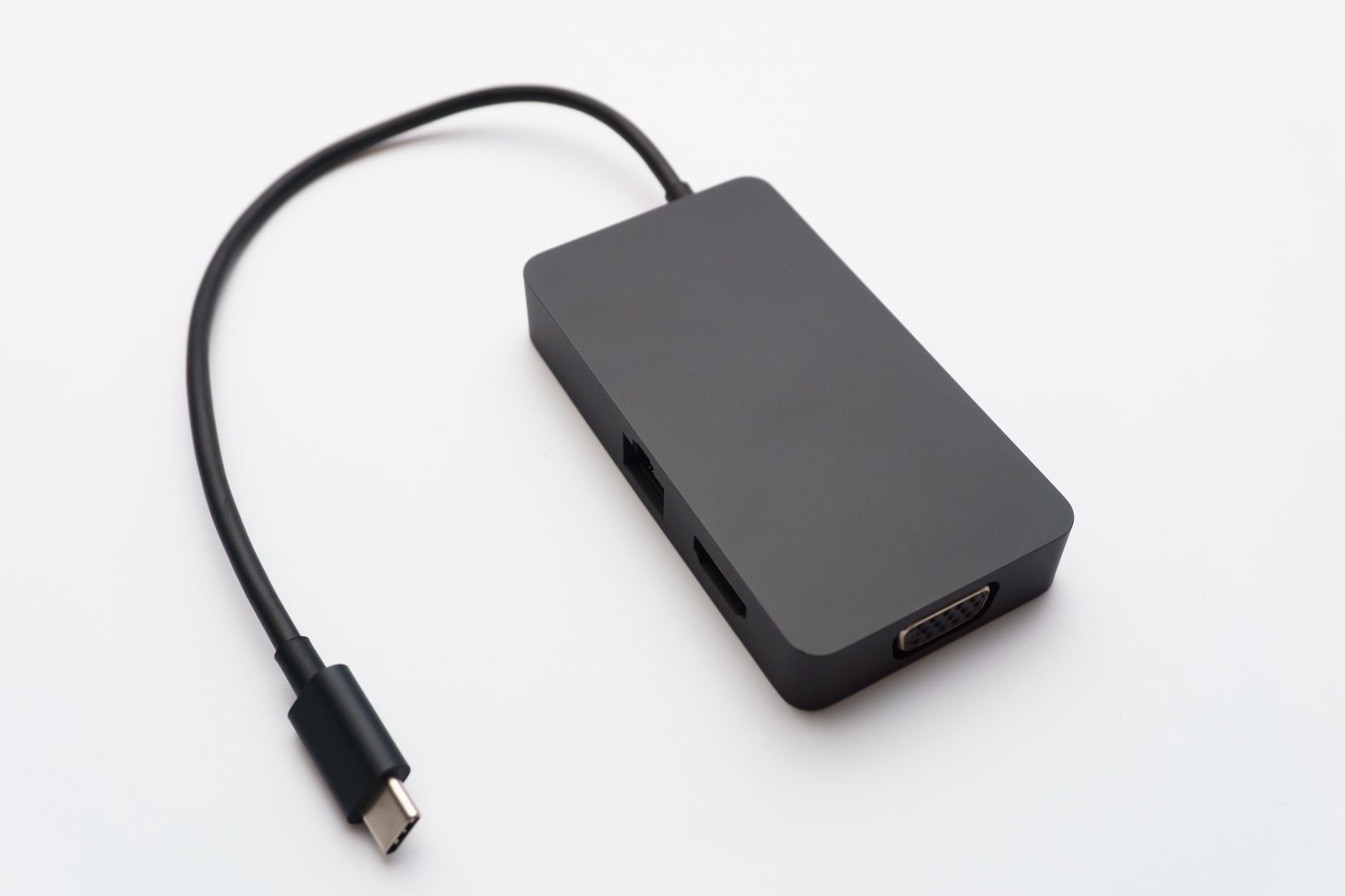
Photo by Aleksander Dumała on Pexels
The Disappearance of the Middle Tier
There used to be a healthy middle tier in consumer electronics. You had your ultra-premium brands, your complete garbage, and a vast middle ground of reliable, mid-priced options. That middle ground has been completely hollowed out.
It is now incredibly difficult for a mid-sized company to compete. If they design a great $35 product, a factory in Zhejiang can reverse-engineer it, strip out the safety margins, and list it for $12 within a month. The algorithmic search engines don't care about the engineering hours spent on the original; they care about conversion rates and ad spend.
This raises a fascinating question about what happens to innovation. If every successful physical product is instantly flattened into a generic, low-margin commodity, why would anyone spend the capital to invent something new? We might be trapping ourselves in a loop where we only ever get slight variations of the things that already exist.
What This Actually Means
This isn't just about bad shopping experiences; it is about the physical decay of our digital infrastructure. The storefronts we rely on have stopped being curated spaces and have become raw, unfiltered pipelines to the manufacturing floor.
We wanted the efficiency of the global supply chain, and we got it. We got it so thoroughly that the boundary between the factory and the living room has evaporated. The challenge now is that humans aren't built to parse millions of identical options. We need shortcuts, we need curation, and we need trust.
Perhaps the pendulum will swing back. We might see a rise in highly curated, boutique online stores that sell only three versions of a thing, but they guarantee those three won't catch fire. Until then, we will keep squinting at product photos, reading the one-star reviews, and wondering if "XZY-TECH" is a real company or just a ghost in the machine.
Quick Answers
Why are all the brand names on Amazon suddenly unpronounceable nonsense?
To get listed on these platforms quickly, sellers need registered trademarks. Nonsense letter combinations like "UITYF" are virtually guaranteed to be unregistered, allowing sellers to bypass trademark queues instantly and start selling immediately.
Are these cheap generic electronics safe to use?
It is a gamble. Because these products often bypass traditional retail QC checks and are shipped directly from overseas warehouses, they may lack proper safety certifications or use cheaper internal components that degrade quickly.
How can I avoid buying these identical algorithmic products?
Filter your searches by established brands, use browser extensions that analyze review authenticity, or buy directly from dedicated retail sites that curate their inventory rather than relying on third-party marketplaces.